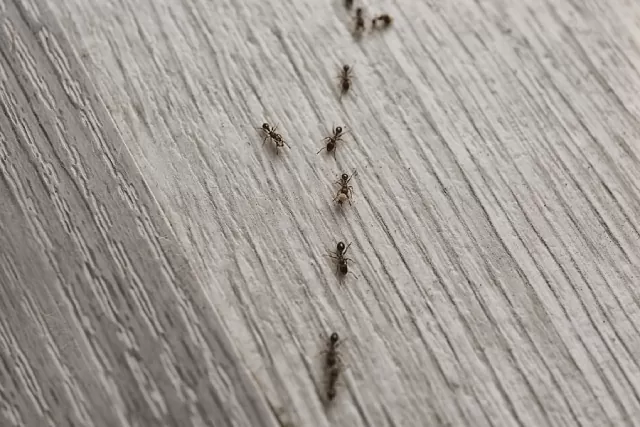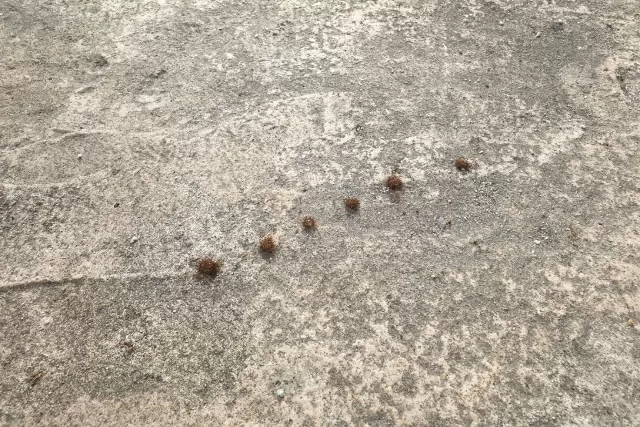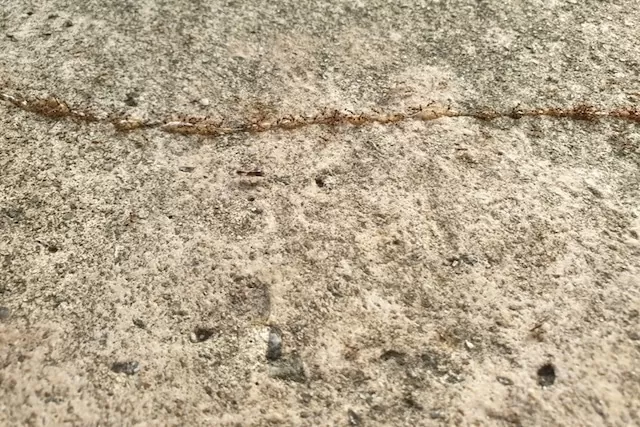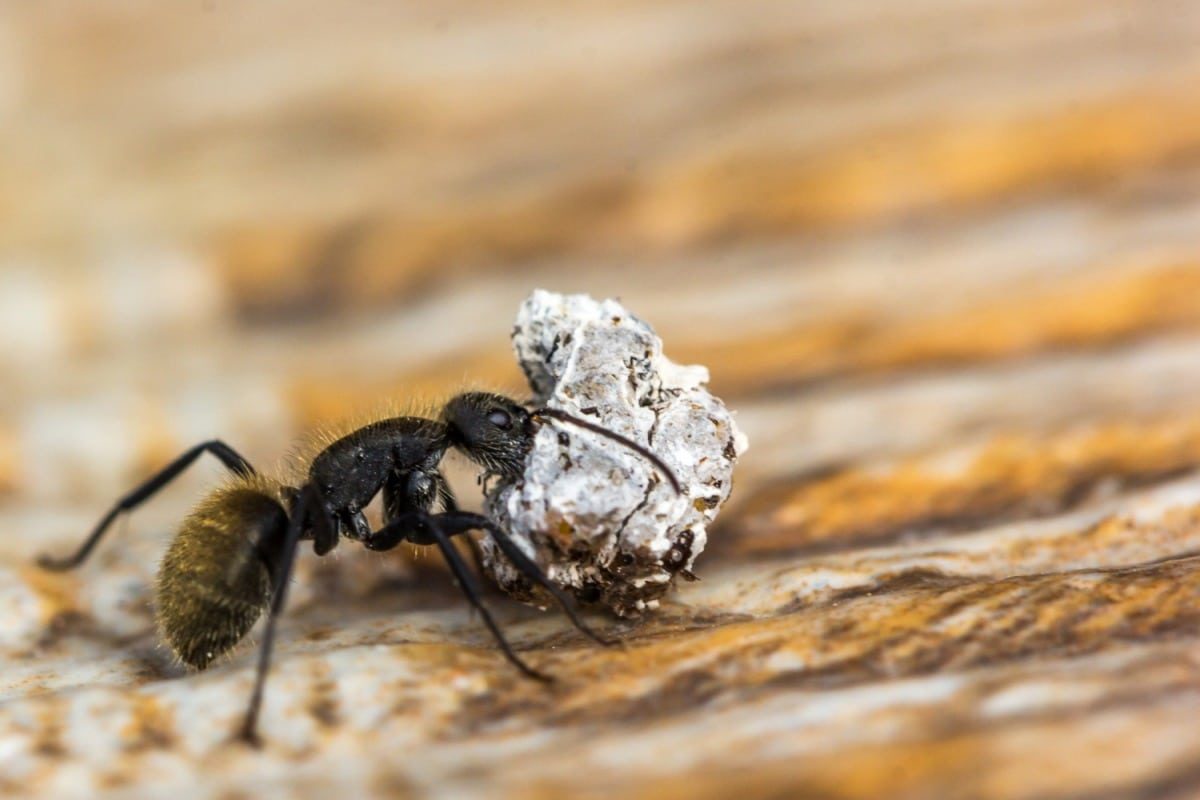
Ants are among the most commonly reported household pests in Singapore, and most homeowners treat them the same way: wipe the trail, spray the counter, and assume the problem has passed. For minor, surface-level foraging with no established indoor nest, that approach is enough and the home stays clean and relatively ant-free.
The issue starts when it stops working, and the same trail reappears within days. At that point, the problem usually isn’t the cleaning routine. It’s the species, the colony location, or, in some cases, the treatment method itself. Certain ant species in Singapore spread more actively when treated with standard over-the-counter repellent sprays.
That’s why knowing how to get rid of ants in your house quickly and correctly starts with understanding what you’re dealing with, and ends with the signs you should call pest control services.
Why Are There So Many Ants in My House?
Singapore’s year-round heat and humidity create ideal conditions for ant colonies to grow close to homes, and they take full advantage of it. Unlike in cooler countries, there is no winter to slow an expansion cycle. A nest that establishes itself near your home in January can be substantially larger by June, with nothing natural pushing it back.
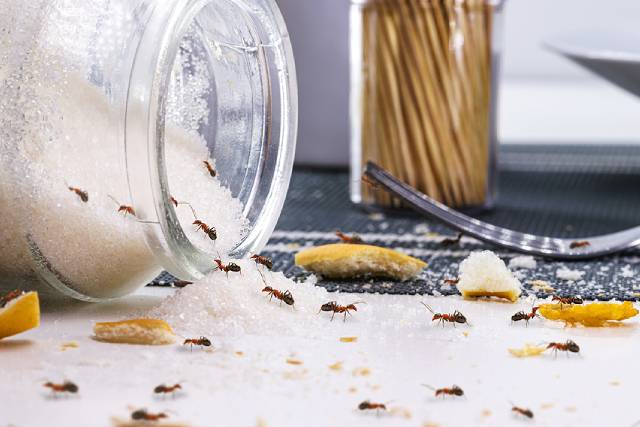
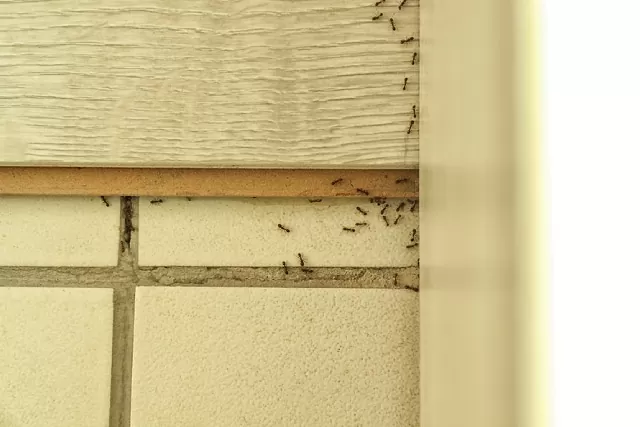
Ants enter houses in search of three things: food, water, and shelter. Kitchens and bathrooms are the most frequently targeted zones, but any unsealed gap or crack can become an entry point. Due to high-density living, even a well-maintained flat can develop an ant problem simply because a neighbouring unit has an established colony nearby.
Common entry points include:
- Gaps around pipes, cables, and utility penetrations
- Cracks in wall-floor junctions and skirting boards
- Window frame and door seal gaps
- Balcony drainage channels and floor trap surrounds
- Planter boxes and garden areas in contact with external walls
Types of Ants Commonly Found in Singapore Homes
Identifying the species matters more than most homeowners expect. The treatment that works for one species can actively worsen an infestation of another. Before deciding how to get rid of ants in your house, the first step is knowing which type you have.
Pharaoh Ants
These tiny, pale yellow ants with dark markings on their abdomens are known carriers of Salmonella and Streptococcus, making them a direct hygiene risk wherever food is prepared or handled.
Pharaoh ants are among the most difficult species to eliminate, as colonies split and scatter when threatened by predators, poor living conditions, or insecticides. If you have pharaoh ants and have been using spray, you may have already made the infestation significantly larger.
Ghost Ants
Their near-transparent legs and abdomen make them difficult to spot on light surfaces, hence the name “ghost”. Drawn to moisture and sweet food, they typically nest inside wall cavities, behind skirting boards, and in potted plants.
Colonies relocate quickly when disturbed, which is why surface treatments produce temporary results at best. Ghost ant activity often signals underlying moisture issues inside walls or cabinetry.
Carpenter Ants
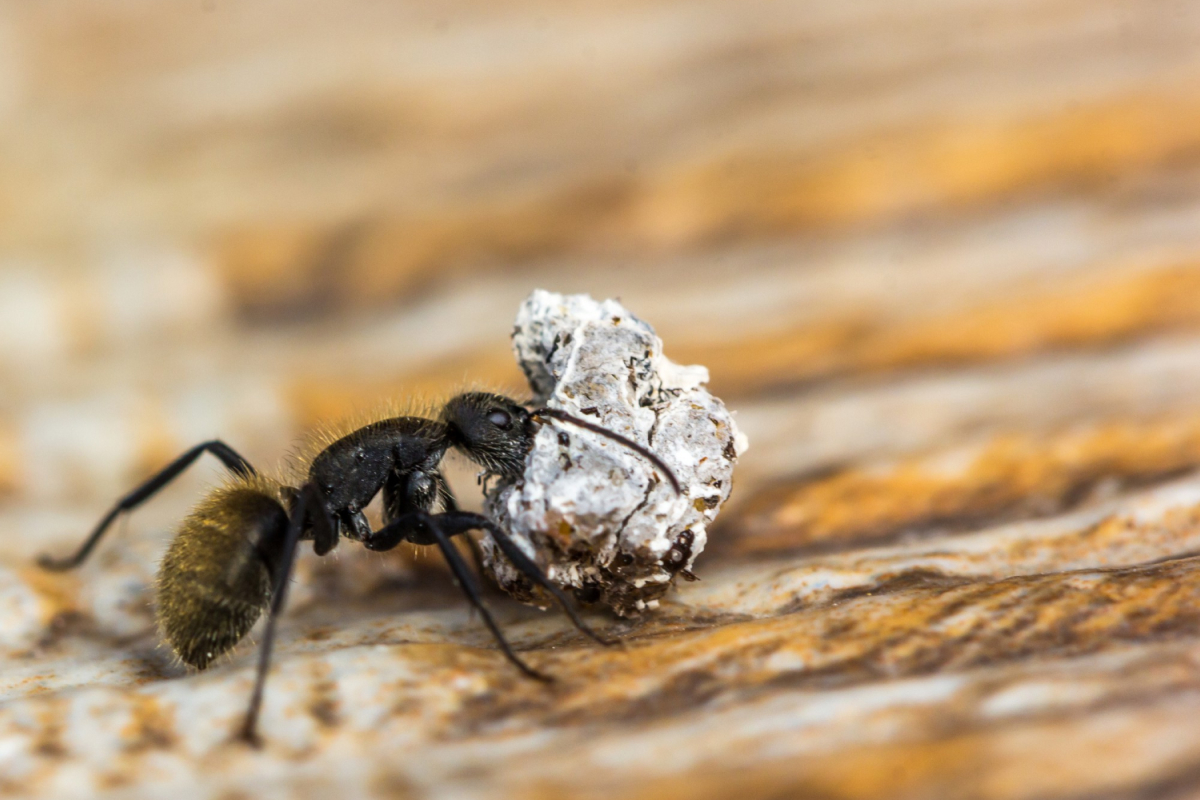
Larger than most species, dark-coloured carpenter ants are most common in landed homes with timber fittings or built-in carpentry.
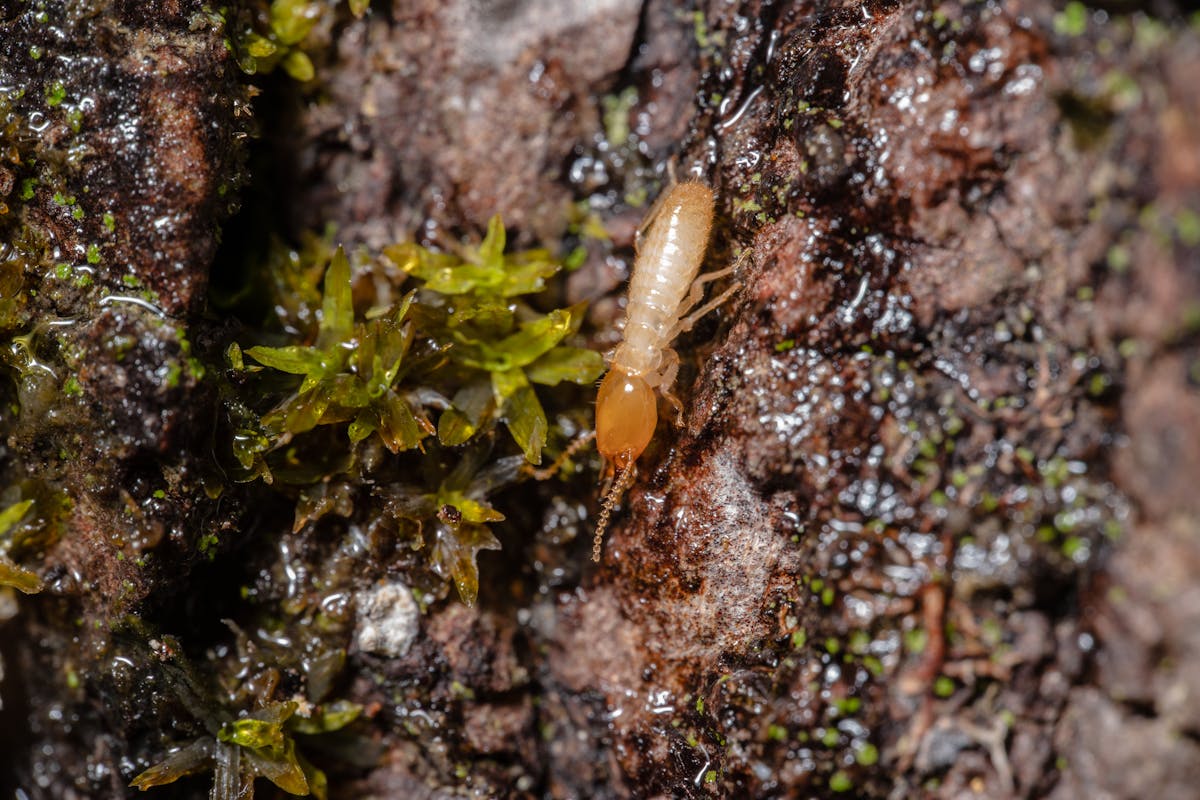
A common misconception is that they eat wood. They don’t. They excavate it to build nests, hollowing out door frames, structural timber, and wooden fixtures from the inside. The damage accumulates quietly over months, which is why carpenter ant infestations are frequently mistaken for those of subterranean termites. They share some commonalities: hollow-sounding wood when tapped, no obvious surface entry point, and costly to exterminate.
Fire Ants
If you’ve ever played in the garden or visited the park, it’s likely you’ve felt the burning sting of the fire ant. These reddish-brown ants are on the smaller side, one of the few species in Singapore that will sting without much provocation. The stings cause sharp pain and raised welts, and in individuals with allergies, the reaction can be severe enough to require medical attention. For households with young children or elderly residents, a fire ant nest anywhere near the house is a safety issue, not an inconvenience to manage with a can of spray. In these situations, professional ant control is often the safest approach.
Crazy Ants
Crazy ants get their name from the way they move: fast, erratic, and with none of the defined trail behaviour that makes most ant species easier to track and treat. They’re smaller than carpenter ants and tend to appear in sudden, scattered surges rather than orderly lines.
What sets them apart from a pest management perspective is their attraction to electrical currents. Crazy ants nest inside appliances, air-conditioning units, and distribution boards. A colony established inside the electrical infrastructure can cause short circuits and equipment failure. In a home, that might mean everyday electronics stop working. In an office or commercial kitchen with higher equipment density, the potential damage is considerably more expensive.
When Ants in the House Become a Real Problem
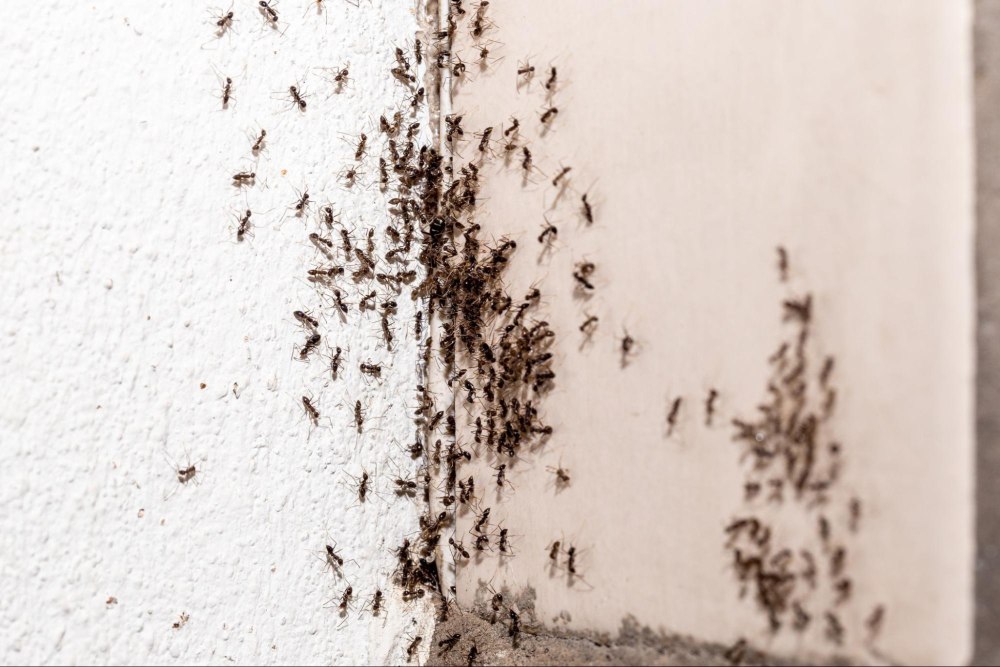
Most people can live with the occasional ant near the kitchen bin. The problem is knowing when “occasional” has quietly become something more serious.
A few signs that the situation probably requires professional intervention:
- Ant trails are showing up across multiple rooms, or on more than one floor of the property
- The infestation keeps coming back within days of cleaning, spraying, or using bait products
- You suspect pharaoh ants anywhere near a kitchen or food preparation area
- There’s evidence of nesting in walls, built-in cabinetry, or timber fixtures
- Someone in the house, particularly a child or elderly resident, has been stung or bitten
If any of those sound familiar, DIY measures are unlikely to yield lasting results.
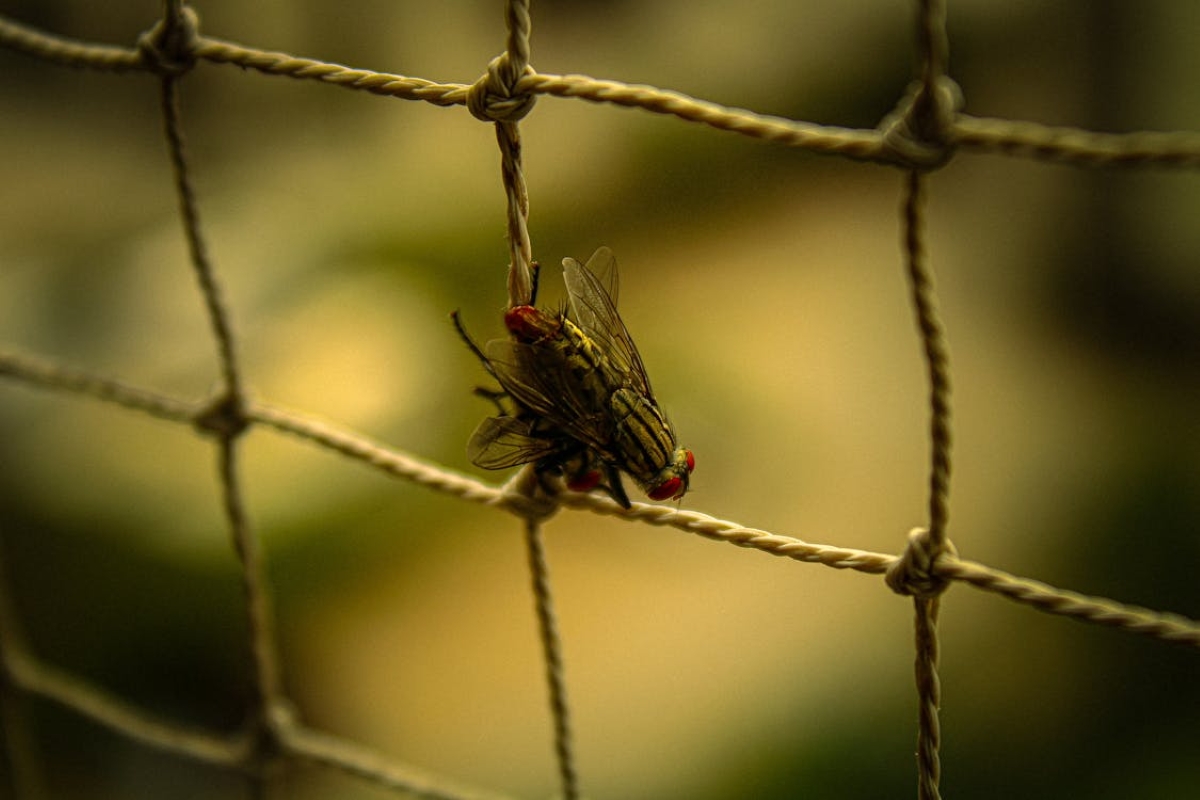
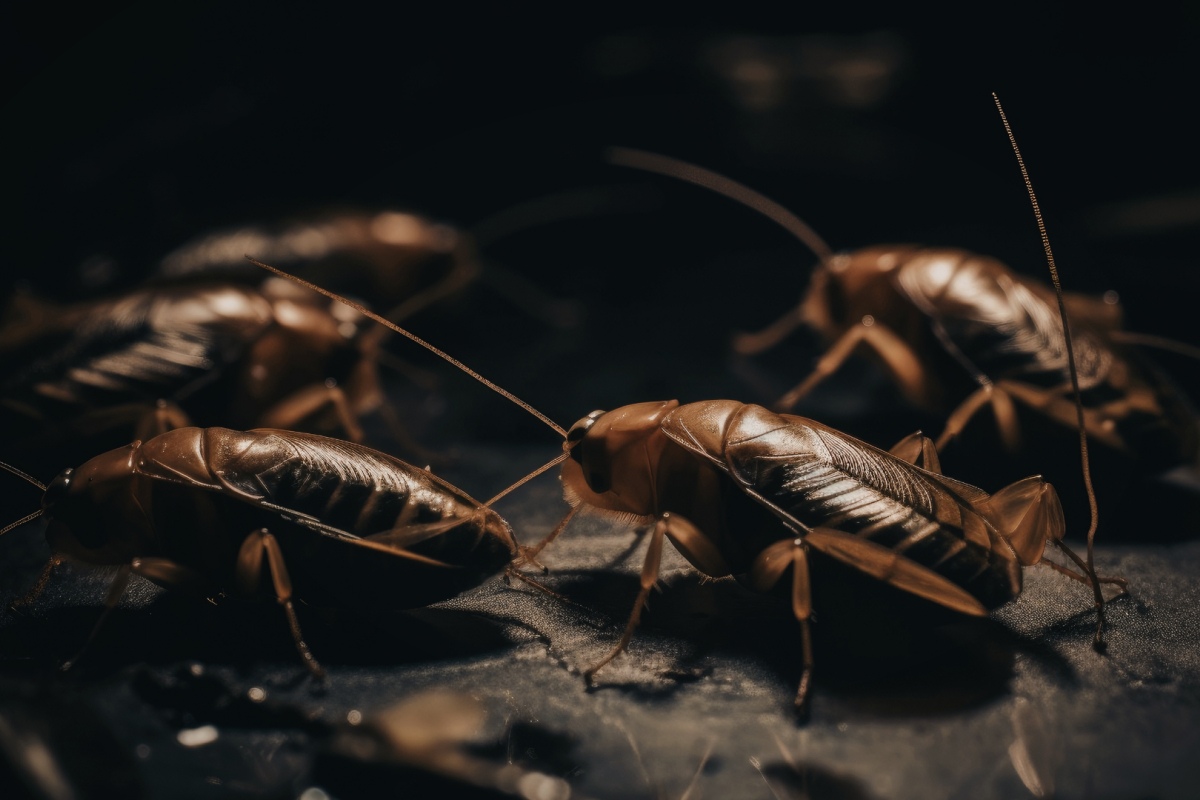
For F&B outlets, cafes, and commercial kitchens, the bar is lower still. An active ant trail across food prep surfaces, dry goods storage, or anywhere customers can see it is an immediate problem. NEA inspections cover pest activity, and discovering an issue during an inspection is a significantly worse outcome than addressing it beforehand. As pests often nest in the same place, a good pest control specialist will check if you need flies, rodents or cockroach pest control at the same time.
For offices, the risk looks different but is just as real. A crazy ant colony inside electrical infrastructure rarely announces itself before something stops working, so regular commercial pest control services are prudent.
How to Get Rid of Ants in the House: What You Can Try First
For isolated, surface-level ant activity with no established indoor nest, some practical steps are worth taking before calling anyone. These work best when the colony is still located outside and foraging workers are the only ones entering the property.
Remove the attraction
- Store all food in airtight containers, particularly dry goods, sugar, fruit, and pet food.
- Fix any leaking taps, pipes, or appliances, especially under sinks, behind washing machines, and in bathroom vanity areas.
- Consistently clear food debris from countertops, floor corners, and bin areas after each use, not just at the end of the day.
- Keep bins sealed and emptied regularly; residual food odours alone are sufficient to maintain foraging trails.
Disrupt the trail
- Wipe active ant trails with soapy water or a mild cleaning solution to break the pheromone path.
- Repeat the same day, as foraging ants can re-establish new trails within hours if the food source remains accessible.
Seal visible entry points
- Use sealant or caulk around pipe penetrations, window frames, and skirting board gaps where you can trace a trail back to its entry point.
- Check balcony drainage surrounds and floor trap edges, which are frequently overlooked but commonly used entry routes.
These measures are genuinely effective for minor, early-stage foraging with no established indoor colony. If the problem persists beyond a week, returns consistently after treatment, or involves any of the species described above, basic hygiene and barrier measures will not resolve it.
One specific note: if you suspect pharaoh ants based on the description above, stop using repellent sprays immediately. Their colony-splitting survival behaviour means that spray-based treatment can convert one manageable infestation into several.
When to Call Pest Control for Ants
If you’re asking this question, you’ve probably already tried a few things that haven’t worked. Here’s a straightforward checklist.
Call a professional ant pest control service if:
- The ant infestation returns within days of each treatment cycle.
- You cannot locate the nest, or it appears to be inside a wall void, ceiling space, or built-in cabinetry.
- You have identified or suspect pharaoh ants, fire ants, or carpenter ants based on the descriptions above.
- A household member has experienced a sting, allergic reaction, or recurring skin irritation.
- Ant activity is present across multiple rooms or floors.
- You have used multiple products over several weeks without a lasting result.
- The property is an F&B outlet, commercial kitchen, or office with active ant trails in any area.
Any one of those is enough reason to get a professional in. Most people wait longer than they should, partly because each new DIY ‘hack’ seems to work for a few days, making you feel like you’ve finally managed to get rid of every last ant. For species with established indoor colonies, it won’t.
What Professional Ant Control Involves

What can professional pest control do that DIY can’t? The difference lies in the approach, not the product.
A PestClinic technician follows a systematic process that goes well beyond treating what’s visible:
- Species identification. Before any treatment begins, the species is confirmed. This determines everything that follows: where the colony is likely nesting, how it responds to treatment, and which method will actually work. Skipping this step is why so many DIY attempts fail or backfire.
- Colony location. The visible trail is rarely where the problem is. Technicians inspect walls, cabinetry, flooring junctions, utility runs, and other concealed zones to locate the nest itself, not just the foraging workers on the surface.
- Targeted baiting. Worker ants carry the bait back to the colony and distribute it through normal feeding behaviour, including to the queen. This is what produces lasting colony elimination rather than temporary knockdown.
- Full-area treatment. Nesting sites, entry points, and harborage zones across the affected area are treated, not just the sections where activity is most visible. Leaving any one area untreated is typically how infestations return.
- Follow-up checks. A single visit confirms initial results. Follow-up checks catch satellite nesting and verify that colony elimination is complete before the job is closed out.
For commercial properties, F&B outlets, and offices, engaging a licensed pest control provider also supports your in-house Pest Control Management System, which is required under NEA guidelines for food operators. A licensed company is expected to advise on good housekeeping practices, inspect and monitor pest control measures, and apply suitable treatment methods for your premises. Systematic documentation by a licensed provider supports NEA compliance and keeps your commercial hygiene records organised.
Affordable pest control is not simply about the cost of a single visit. It is about avoiding the accumulated cost of three or four rounds of retail products that consistently fail to reach the colony.
DIY vs Professional Pest Control
Retail sprays and traps are easy to reach for, but they’re built to knock down what’s visible, not to eliminate the colony behind the wall. Here’s how the two approaches stack up.
| DIY pest control | Professional pest control | |
| Species identification | Unlikely, most products are generic | Confirmed before treatment begins |
| Colony location | Targets surface activity only | Inspects concealed zones to find the nest |
| Treatment method | Retail sprays, traps, and baits | Targeted baiting, colony-specific treatments |
| Reaches the queen | Rarely | Yes, via worker ants carrying bait back |
| Follow-up | None | Follow-up checks to confirm full elimination |
| Recurrence risk | High as colony survives and rebuilds | Low as treatment addresses the source |
| NEA compliance documentation | Not applicable | Provided by licensed providers |
| Cost over time | Accumulates across multiple failed attempts | One systematic process, one resolved infestation |
Why Getting a Professional in Early Saves You More
The longer an established colony goes untreated, the harder it becomes to fully eradicate.
A pharaoh ant infestation that has spread across multiple wall cavities after weeks of repellent spraying is substantially more complex than the same infestation at its original source. The required treatment is more extensive, the follow-up period is longer, and the results come more slowly.
Incorrect treatment directly adds to this cost. Pharaoh ants respond to repellent insecticides by budding, their built-in survival mechanism for perceived threats. What appears to be ant control at the surface can be the trigger for wider spread behind walls and into adjacent spaces. At that stage, professional pest control for ants requires more time and effort than early intervention would have.
The practical comparison is straightforward: one professional assessment and targeted treatment plan, applied at the point when the problem is first confirmed, costs less than three to four rounds of retail products that treat the trail but leave the colony intact.
If the infestation has already progressed, that comparison shifts further. Carpenter ant structural damage, pharaoh ant contamination in a food preparation area, or crazy ant damage to appliances and electrical fittings all incur repair and replacement costs that far exceed any pest control fee.
Do any of these situations sound similar to what you’re experiencing now? Contact PestClinic for ant control in Singapore and we will be happy to advise you on the next steps to get your property ant-free.