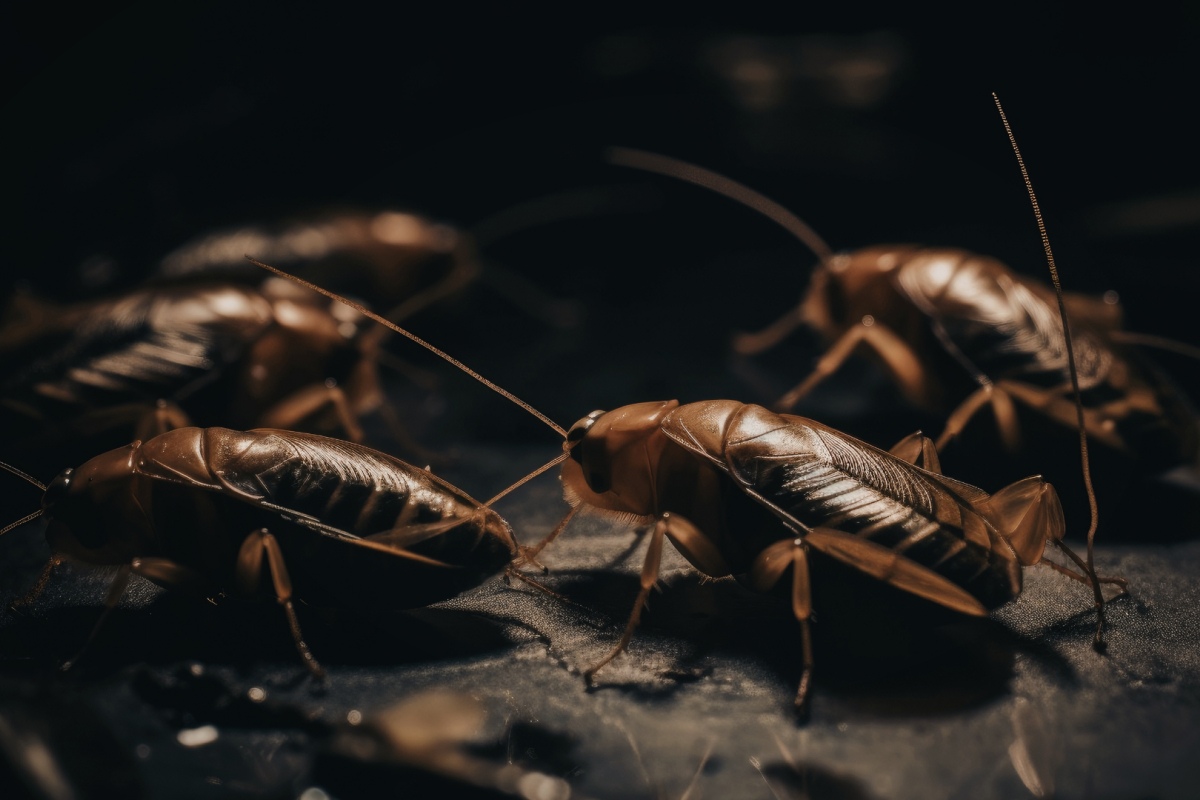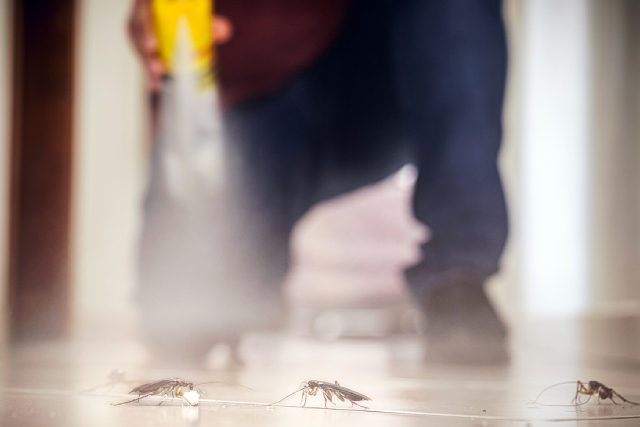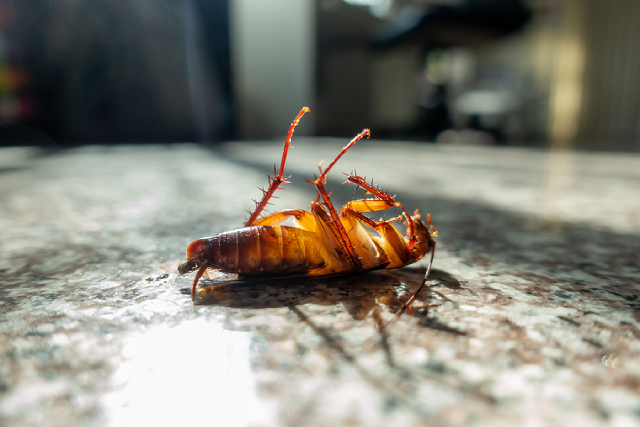
If you live or work in Singapore, cockroaches are not a hypothetical problem. They turn up in HDB flats, condominiums, commercial kitchens, and office pantries with remarkable consistency, and they rarely arrive alone. For most people reading this article, the spray can and bait station phase is already behind them. You have tried the DIY route, seen some results, and watched the problem return within days or weeks.
This guide is written for anyone who is ready to take the next step. It covers what professional cockroach pest control in Singapore actually involves, how to prepare your home or premises beforehand, and what to realistically expect once the job is done. The goal is not to give you a general overview of cockroach biology, but to give you the confidence and clarity to book a treatment and know exactly what you are getting into.
Why Cockroaches Keep Coming Back Despite DIY Efforts
Understanding why DIY methods fall short is the foundation for understanding why professional treatment works differently.
Cockroaches are among the most biologically resilient pests found in Singapore’s urban environment. Their ability to adapt to environmental pressures is well documented, and many cockroach populations have developed measurable resistance to the active ingredients found in commercially available sprays and baits. A product that worked effectively a year ago may have significantly diminished impact on a colony that has since been repeatedly exposed to it. In some cases, low-level exposure to an insecticide over time actively accelerates resistance development, meaning that continued DIY treatment can inadvertently make a future infestation harder to resolve.
Beyond resistance, the fundamental limitation of DIY treatment is its inability to reach harbourage zones. These are the areas where cockroaches nest, breed, and spend the vast majority of their time: deep inside wall cracks, behind refrigerators and washing machines, beneath sink cabinets, around gully traps, and within bin chutes. Surface sprays applied to open areas where cockroaches pass through will reduce visible numbers, but the colony itself remains largely undisturbed. Killing what you can see does not address the source.
There is also a behavioural factor that misleads many homeowners. Cockroaches are nocturnal by nature. If you are spotting them during the day, that is not a sign of a minor problem; it is typically an indicator that the hidden population has grown large enough to push individuals out into open spaces in search of food and shelter. By the time cockroaches are visible in daylight, the infestation is already well established.
The cycle that follows DIY treatment is familiar to many: a brief reduction in sightings, followed by a gradual return to previous levels. Without locating and eliminating the source, surface treatment produces only temporary relief, and each new cycle can leave the remaining population slightly more resistant than before.
Signs It Is Time to Book a Professional Cockroach Treatment
If any of the following apply to your situation, it is a clear indicator that professional intervention is the appropriate next step rather than another round of over-the-counter products.
- Cockroaches are reappearing within days of spraying or using bait stations.
- You are spotting them during daylight hours, which points to overcrowding and a larger hidden colony.
You have found egg cases, which are small, dark oval casings, in kitchen cabinets, behind appliances, or near bin areas. - There is a persistent musty or oily odour in the kitchen, bathroom, or utility rooms that is not explained by other sources.
- You can see faecal specks or dark smear marks along wall-floor junctions or near drains and water sources.
- Members of your household are experiencing unexplained allergic symptoms or skin irritation that have no clear cause.
Any single item on this list is sufficient reason to stop relying on retail products and arrange a professional assessment. The longer a cockroach infestation is managed only at the surface level, the more established the colony becomes, and the more effort is required to eliminate it effectively. Early professional intervention is almost always easier, faster, and more cost-effective than waiting until the problem is severe.
What Professional Cockroach Treatment in Singapore Actually Involves
Many homeowners picture a professional treatment as a technician arriving with a spray can and working through the property in under an hour. The reality is considerably more thorough, and understanding the process helps set accurate expectations for both the experience and the outcome.
Inspection Before Any Treatment Is Applied
A professional cockroach treatment begins with a detailed inspection. Before any product is selected or applied, a trained technician will identify the species present, locate active harbourage zones, and assess the scale of the infestation. This step is not a formality; it is what determines which treatment methods are appropriate and where they should be applied.
Species identification matters more than most homeowners realise. The three cockroach species most commonly encountered in Singapore, namely the American cockroach, the German cockroach, and the Oriental cockroach, have different nesting behaviours, preferred habitats, and responses to treatment.
For example, American cockroaches tend to inhabit drains, sewers, and bin chutes, entering properties from below. German cockroaches prefer warm, humid spaces close to food and moisture, making kitchen cabinets and appliance gaps their primary habitat. Applying a generic treatment without confirming the species is one of the most common reasons that professional treatments fail to resolve the problem fully.
Treatment Methods Used by PestClinic
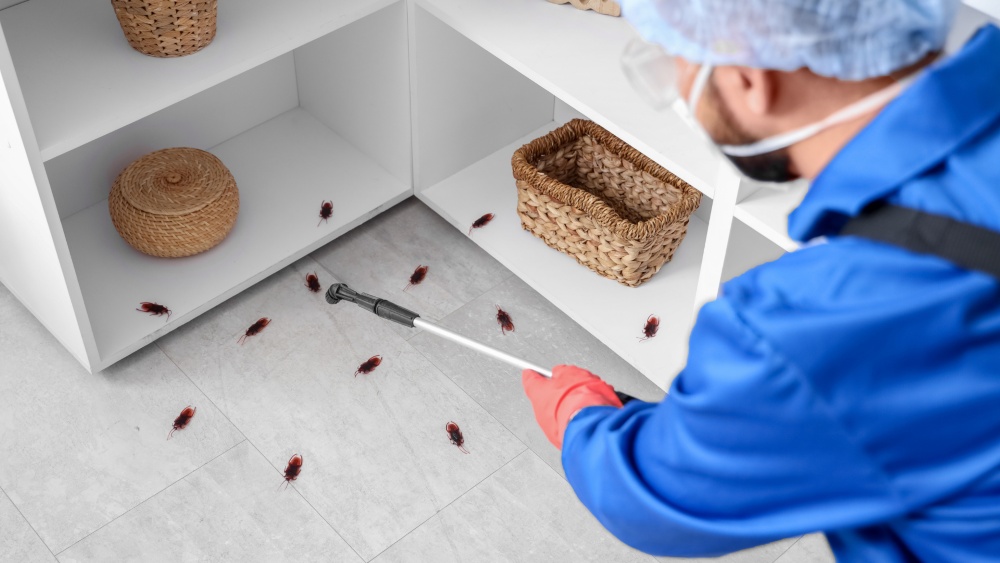
PestClinic’s NEA-certified technicians may combine methods based on what the specific infestation requires. Rather than applying a single approach uniformly across the property, the treatment plan is tailored to the species identified, the location of harbourage zones, and the severity of the infestation.
Gel Baiting:
Gel baiting is applied precisely into cracks, crevices, and harbourage areas where cockroaches are active. When a cockroach consumes the bait, it carries the active ingredient back to the harbourage zone. Other members of the colony then come into contact with the roach bait gel through faecal matter and direct exposure, which means the effect reaches deep into the population rather than stopping at the individuals that made direct contact with the application point.
This method is particularly effective against German cockroaches, which tend to nest in tight, concealed spaces near food and moisture sources.
Cockroach Baiting Systems:
Cockroach baiting systems work on a similar principle, leveraging the natural scavenging behaviour of cockroaches to ensure the treatment spreads through the colony rather than affecting only the cockroaches visible on the surface. Because the bait is carried back and shared within the harbourage zone, this approach is capable of reaching individuals that never come into direct contact with the treatment area itself.
Insecticide Residual Spray:
Insecticide residual spray uses a water-based solution applied to harbourage areas such as bin chutes and gully traps. Depending on the formulation used, the residual effect can persist for hours to several weeks, providing continued protection after the initial treatment is complete and targeting cockroaches that pass through treated zones in the days and weeks that follow.
Bin Chute Fogging:
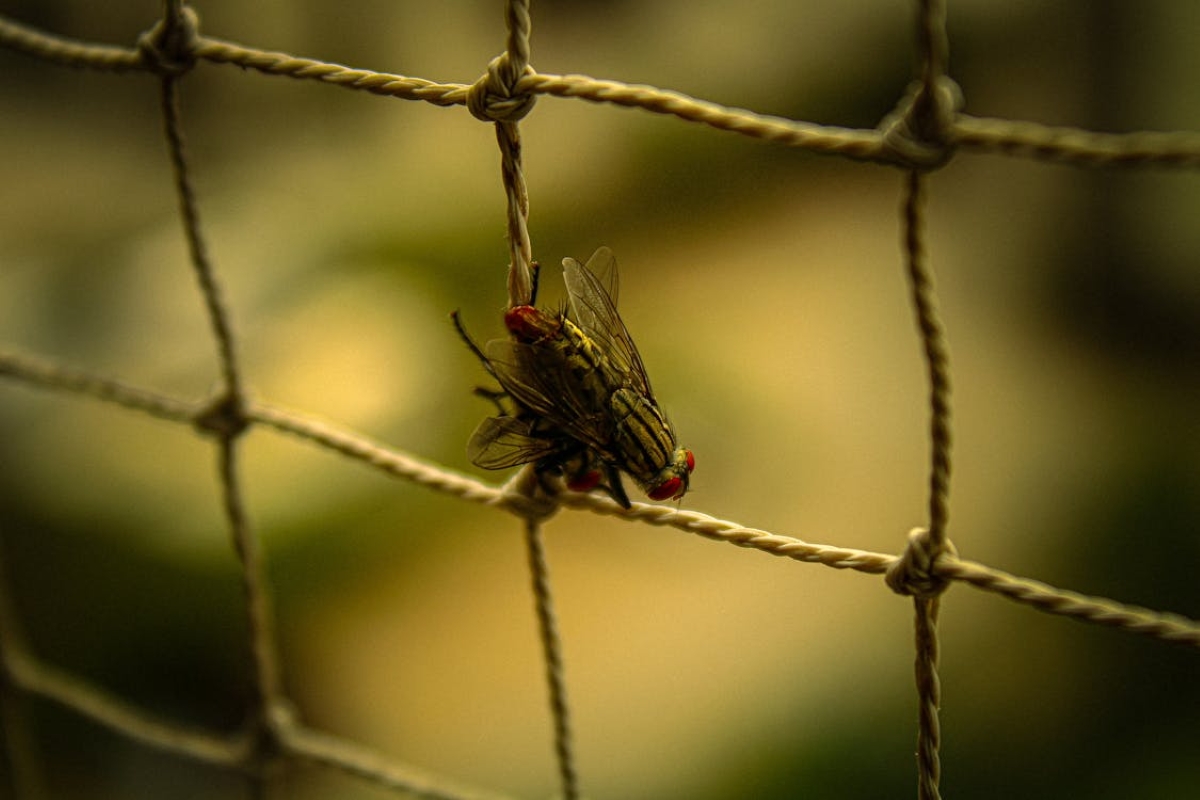
Bin chute fogging is incorporated into the treatment plan for properties where bin chutes have been identified as a primary breeding source or entry point. This is particularly relevant for HDB flats and older condominiums, where bin chutes are shared between multiple units and represent a significant infestation risk. Shared building systems can also become pathways for other pests like rodents, ants and flies if not properly maintained. Targeted fogging cuts off the infestation at a key source rather than simply treating activity within individual units.
PestClinic’s technicians assess each property individually and may combine these methods based on what the infestation requires. This is a meaningful distinction from applying the same products in the same way at every job, and it is central to why targeted professional treatment produces more durable results than a one-size-fits-all approach.
How to Prepare Your Home Before the Treatment
A small amount of preparation on your part makes a significant difference to the effectiveness of the treatment and to the safety of your household during the process. The following steps apply to most residential cockroach treatments, though PestClinic’s team will walk you through any preparation requirements specific to the method being used at your property.
Clear Access to Key Areas
Clear out the spaces where cockroaches are most active. This means removing items from under-sink cabinets, pulling the refrigerator and other large appliances away from the wall where possible, and clearing the interiors of kitchen cabinets so that technicians have direct access to harbourage zones. A treatment that cannot reach the right areas is a treatment that cannot do its job properly.
Store or Relocate Food Items
Store food items in sealed containers or temporarily relocate them from areas that will be treated. This protects your food supply and ensures that bait and residual spray are applied where cockroaches are actually active, rather than where stored food is providing an alternative attractant.
Vacate the Treated Area
Vacate the treated area for the period specified by the technician. For most treatments, this is between one and two hours. Follow the technician’s instructions regarding when it is safe to re-enter, and ensure that children and elderly household members are kept away from treated spaces for the full recommended duration.
Protect Pets and Aquariums
Keep pets away from treated areas and cover aquariums or fish tanks before the treatment begins, particularly if fogging or spray methods are being used. Aquatic life is especially sensitive to airborne chemical exposure, and covering tanks is a simple precaution that prevents unnecessary risk.
Do Not Clean Treated Surfaces Immediately
Do not clean treated surfaces immediately after the job is complete. Residual sprays and gel baits require time to work as intended. Wiping down surfaces or mopping floors in the hours immediately following treatment can remove or dilute the active products before they have had any meaningful effect. If cleaning is necessary, your technician will advise on the appropriate waiting period.
What to Expect After Your Cockroach Treatment
The post-treatment period is where expectations most often need calibrating. Homeowners who see cockroach activity in the first day or two after a professional treatment sometimes assume the treatment has not worked. In most cases, the opposite is true.
Some cockroach activity in the first 24 to 48 hours following treatment is a normal part of the process. Residual sprays work as cockroaches pass through treated surfaces, while gel baiting works more gradually, with cockroaches consuming the bait and carrying the active ingredient back to the colony. Increased visible activity during this window is typically a sign that the treatment is taking effect, not a sign that it has failed.
A noticeable reduction in sightings should begin within the first week. For gel baiting in particular, the effect continues to spread through the colony over the weeks that follow, as cockroaches that consumed the bait are encountered by others in the harbourage zone. The treatment effectively works inward from the point of application, which is why patience is required in the days after a treatment.
Depending on the severity and duration of the infestation, a follow-up inspection or second treatment may be recommended. This is standard practice for heavy or recurring cases, not an indication that the first treatment was insufficient. Heavy infestations that have been established over a long period typically require more than one round of treatment to eliminate the colony fully, and this should be factored into your expectations from the outset.
Post-treatment hygiene plays a meaningful role in how long the results last. Sealing food in airtight containers, fixing leaking pipes and dripping taps, keeping bin areas clean and dry, wiping down kitchen surfaces regularly, and not leaving dirty dishes overnight all reduce the conditions that attract and sustain cockroaches. A professional treatment addresses the existing infestation; ongoing hygiene practices reduce the likelihood of a new one taking hold.
Why Choose PestClinic for Cockroach Treatment in Singapore
PestClinic’s team brings over 30 years of combined experience and expertise across residential, commercial, and industrial pest control in Singapore. Our technicians are NEA-certified and trained to accurately identify species, locate harbourage zones, and apply targeted treatments safely and efficiently across a wide range of property types and infestation profiles.
The approach that underpins every cockroach treatment at PestClinic is rooted in addressing root causes rather than visible symptoms. Spraying open surfaces and eliminating the cockroaches you can see is a temporary measure. The goal of professional treatment is to eliminate the colony, which means reaching the harbourage zones where cockroaches nest and breed, and selecting the combination of methods most likely to achieve that outcome for the specific infestation at hand.
This is also why the initial inspection matters as much as the treatment itself. Without accurate identification and a clear picture of where the infestation is concentrated, even effective products applied incorrectly or in the wrong locations will produce limited results. PestClinic’s process treats the inspection and the treatment as equally important parts of the job.
Whether you are dealing with a recurring cockroach problem in a residential unit, managing hygiene standards in an F&B outlet, or addressing a commercial property with complex infestation challenges, PestClinic has the experience and technical capability to handle it properly.
Enquiring with PestClinic is a straightforward, low-commitment first step. A professional inspection will give you a clear understanding of the extent of the problem, the species involved, and the treatment plan that makes the most sense for your property. From there, you will have everything you need to make an informed decision, with the assurance that the team handling your treatment knows exactly what they are doing.
Get in touch with PestClinic today to schedule your cockroach inspection and take the first step towards a genuinely pest-free home or business.