


| Latin Name | Rodentia |
| Length | Up to 40cm |
| Colour | Brown or grey |
| Common Sighting | Kitchen, dark corners |
Professional Rat Pest Control In Singapore
Rats and mice have adapted remarkably well to Singapore’s urban landscape, thriving in close proximity to human environments. These pests are among the most destructive vertebrates on earth, causing significant damage to property by gnawing through electrical wiring, cables, and insulation—often leading to short circuits and fire hazards.
Beyond structural damage, rodents are notorious vectors for life-threatening diseases such as Leptospirosis, Salmonella, and Hantavirus. Singapore’s warm, humid climate and high-density living provide ideal conditions for these pests to multiply. Engaging a commercial pest control service is essential to prevent food contamination and ensure the safety of your home or office.
Signs of Rodent Infestation
Dark, pellet-shaped droppings found in pantries or cupboards, often accompanied by a pungent, musty smell.
Chewed materials on wiring, wooden furniture, and plastic containers as rodents wear down their ever-growing teeth.
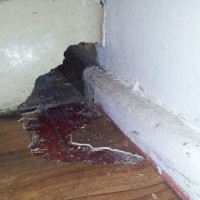
Dark oil and dirt marks left along walls and skirting boards from their oily fur.
Shredded paper, fabric, or insulation tucked away in quiet, dark corners or false ceilings.
Audible scurrying or scratching sounds heard at night within walls or above ceilings.


Common Species of Rodents
Successful pest control for rodents requires identifying the specific species inhabiting your premises, as their nesting habits and behaviours dictate the treatment approach.
Roof Rat
(Rattus Rattus)
Also known as the ship rat, this species is an agile climber that prefers to nest in high places. In Singapore’s urban landscape, they are frequently found in high-rise apartments, attics, and false ceilings.
Norway Rat
(Rattus Norvegicus)
A robust, burrowing species typically found at ground level. They are commonly sighted near sewers, ground-level drains, and garbage disposal areas, where they build extensive underground tunnel systems.
House Mouse
(Mus Musculus)
Small and incredibly fast, the house mouse is notorious for its ability to go undetected. They can squeeze through gaps as small as a pencil and are known for contaminating food surfaces and pantry areas with droppings.
Why is Rodent Control Important?
Effective rodent pest control in Singapore is vital to protect both your health and your assets. Because rats and mice are highly resilient and destructive, leaving an infestation unaddressed can lead to severe consequences for your property’s safety and hygiene.
Health Risks & Disease Spread
Rodents are known vectors for dangerous bacteria and viruses, including Leptospirosis and Salmonella, which can be transmitted to humans through contaminated surfaces or direct contact.
Food Contamination
Rodents can consume or spoil vast quantities of food. Their urine and droppings pose a significant risk of food poisoning, making pest control for rodents essential for both homes and businesses.
Property & Infrastructure Damage
Their constant need to gnaw can destroy electrical wiring, insulation, and furniture. This structural damage is not only costly to repair but also poses a serious fire hazard to the building.
Rapid Reproduction
Rodents multiply at an alarming rate. A minor issue can quickly escalate into a widespread infestation, making early intervention from a professional pest control company in Singapore a critical necessity.
Rodent Preventions Tips
Preventing an invasion is more effective than treating one. Implementing these measures will significantly reduce the likelihood of attracting rodents to your property:
Seal Potential Entry Points
Rodents can squeeze through incredibly small openings. Periodically inspect your property and block gaps around pipes, vents, and doors using durable materials like wire wool or metal plates. Pay close attention to roof spaces and utility entry points to deny them access to your building's interior.
Maintain Rigorous Sanitation
A clean environment is the best deterrent against pests. Ensure all food is stored in airtight, rodent-proof containers and keep kitchen surfaces, floors, and pantries free of crumbs and spills. By removing accessible food sources, you make your premises far less attractive to foraging rats and mice.
Proper Waste Handling
Garbage is a primary food source for urban rodents. Ensure all waste, especially food scraps, is placed in heavy-duty, sealed bins that cannot be easily breached. Regular disposal and keeping bin areas clean will prevent the buildup of odours that draw pests from the surrounding area.
Landscaping & Vegetation Management
Overgrown gardens provide perfect cover and "bridges" for rodents to reach your home or office. Regularly trim overhanging branches that touch your roof and remove clutter or debris from your garden. Maintaining a clear perimeter around your property eliminates the hiding spots rodents need to thrive.
Rodent Control in Singapore: Step-by-Step Treatment Process
PestClinic follows a rigorous, five-step protocol to ensure your property is cleared of rodents and remains protected against future invasions.
Step 1: Initial Site Inspection
Every engagement begins with a detailed assessment of your property. Our specialists identify active nesting sites, potential entry points, and the specific species to determine the full extent of the infestation.
Step 2: Tailored Treatment Plan
Based on our findings, we develop a customised pest control for rats and mice. This strategic plan accounts for your property’s layout, industry regulations, and the unique behavioural patterns of the rodents present.
Step 3: Execution of Treatment
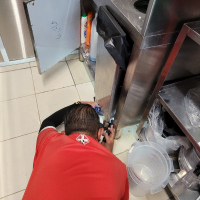
Our NEA-licensed technicians deploy professional-grade rodent control services in Singapore, utilising a combination of secure baiting stations, specialised traps, and glue boards for rapid and effective population reduction.
Step 4: Monitoring & Adjustments
Following the initial treatment, we conduct follow-up visits to assess the effectiveness of the plan. We monitor bait consumption and adjust trapping positions as necessary to ensure complete colony eradication.
Step 5: Preventive Recommendations
Our team provides expert advice on structural proofing and environmental sanitation. We help identify potential entry points and, where feasible and within our ability, assist with sealing gaps. Additionally, we offer hygiene tips to eliminate food and water sources, ensuring long-term protection.
Why Choose Us
NEA-Certified Technicians
Our team consists of fully licensed professionals who strictly adhere to the National Environment Agency’s (NEA) safety standards, ensuring total compliance and peace of mind.
Safe for Families & Pets
We prioritise the health of your household by utilising secure, tamper-resistant baiting stations and non-toxic methods that are safe for use around children and pets.
Transparent Pricing
We provide cost-effective rodent pest control in Singapore with clear, upfront pricing and a strictly no-hidden-fees policy for all our clients.
Customised Treatment Plans
Every property is different; we develop customised strategies that target the specific entry points and nesting habits of rodents within your unique environment.
Engage PestClinic to Help You Get Rid of Rodents Now.
Frequently Asked Questions About Our Rodent Control Services in Singapore
How much does rodent control typically cost in Singapore?
The cost of rodent control services in Singapore depends on the size of the property and the severity of the infestation. We offer affordable, transparent packages starting with a free consultation to provide an accurate quote.
What are the most effective methods used in rodent control?
The most effective approach is “Integrated Pest Management,” which combines structural sealing, sanitation, and professional trapping or baiting programmes to eliminate the colony at its source.
How often should I schedule rodent control services for my home?
For all property types, including residential, commercial, and industrial landed, a proactive monitoring schedule of at least once every two months is recommended.
How soon will I see results after a rodent control treatment?
You should notice a significant decrease in activity within the first week. However, complete eradication of a colony may take 10 to 14 days, depending on the population density.

