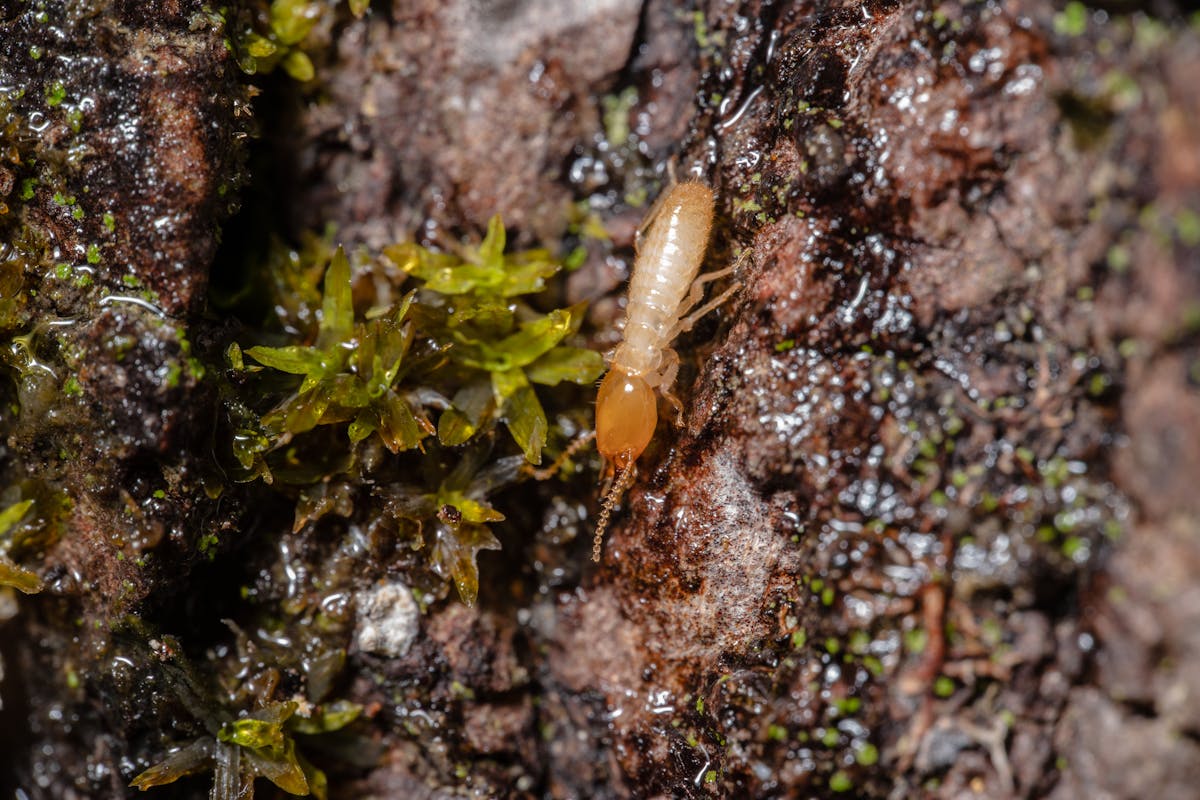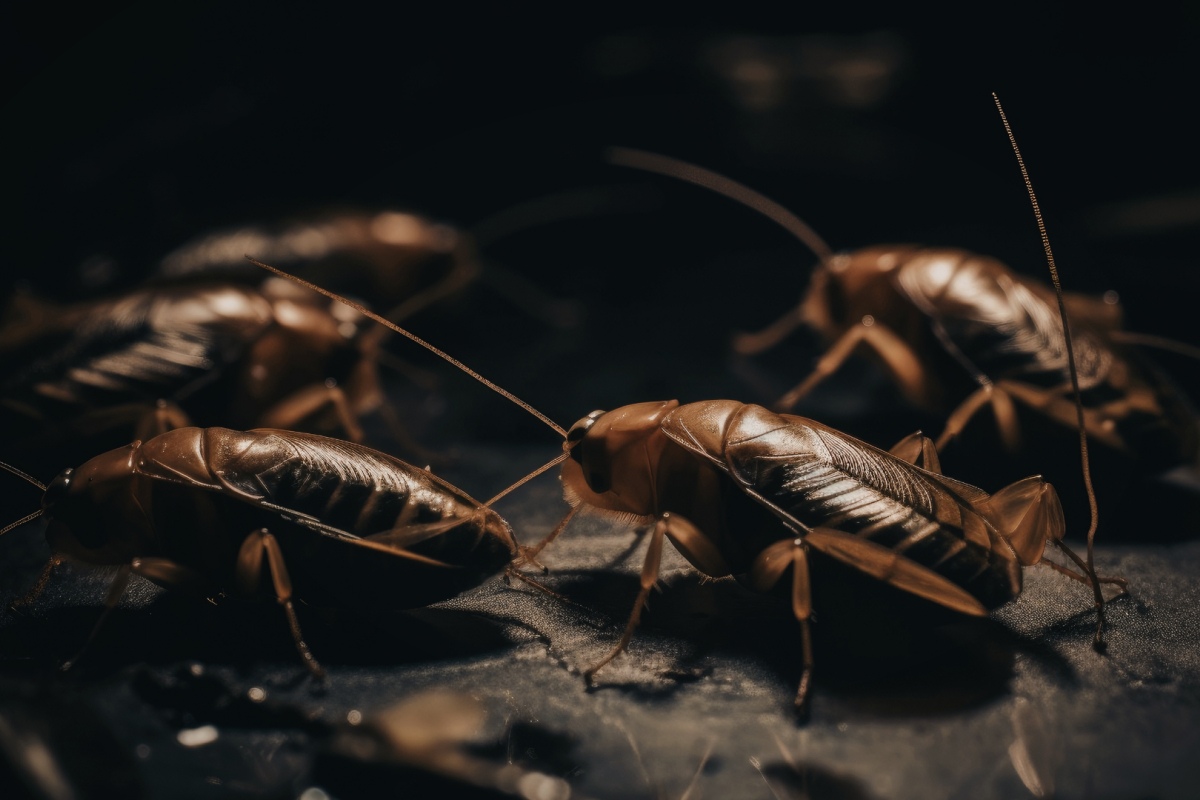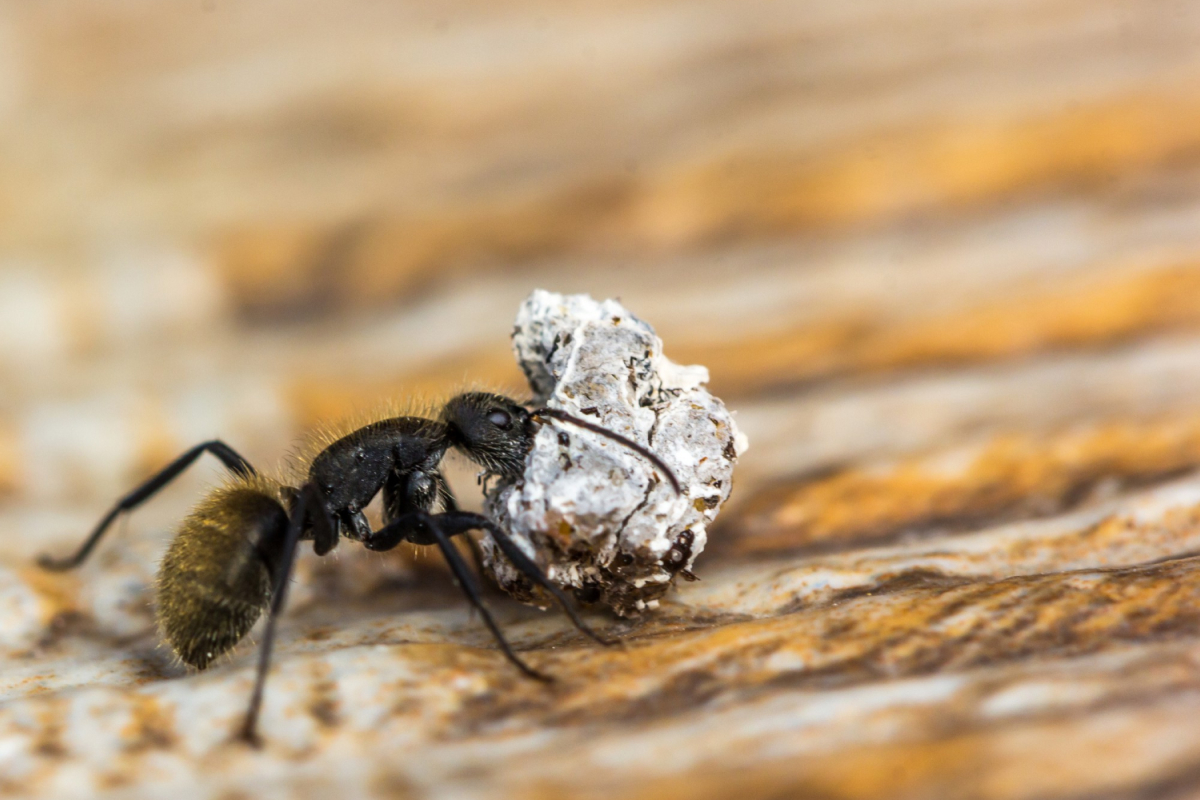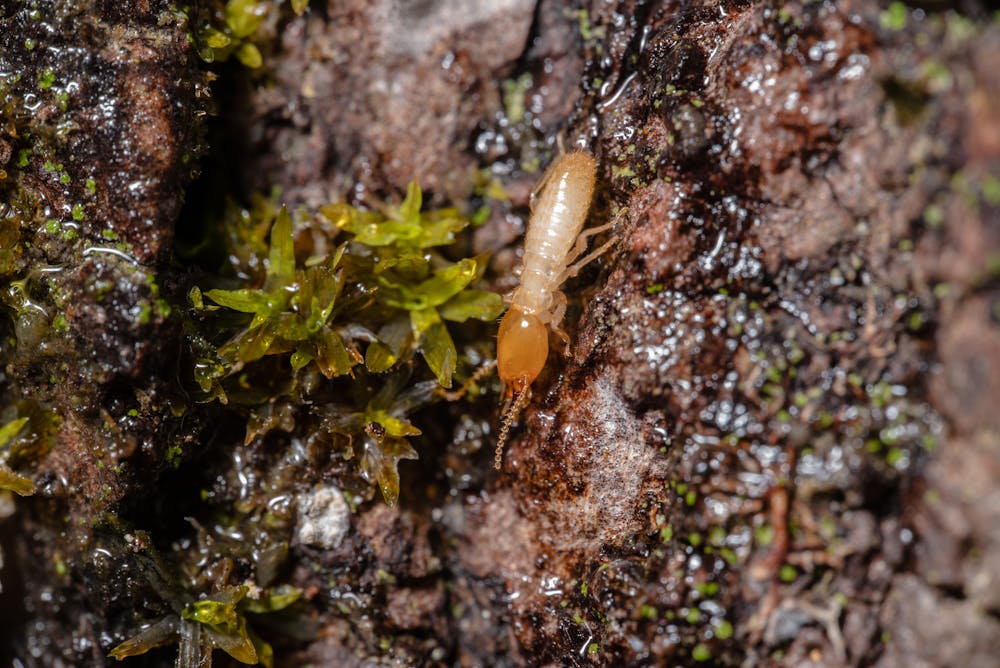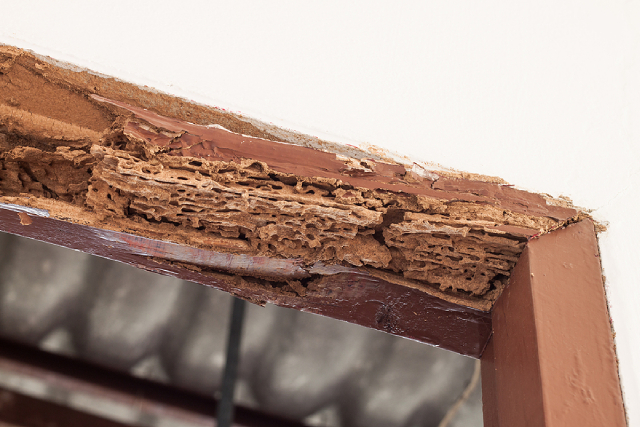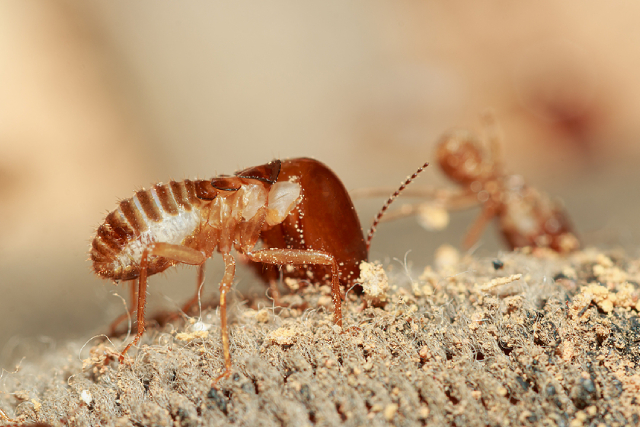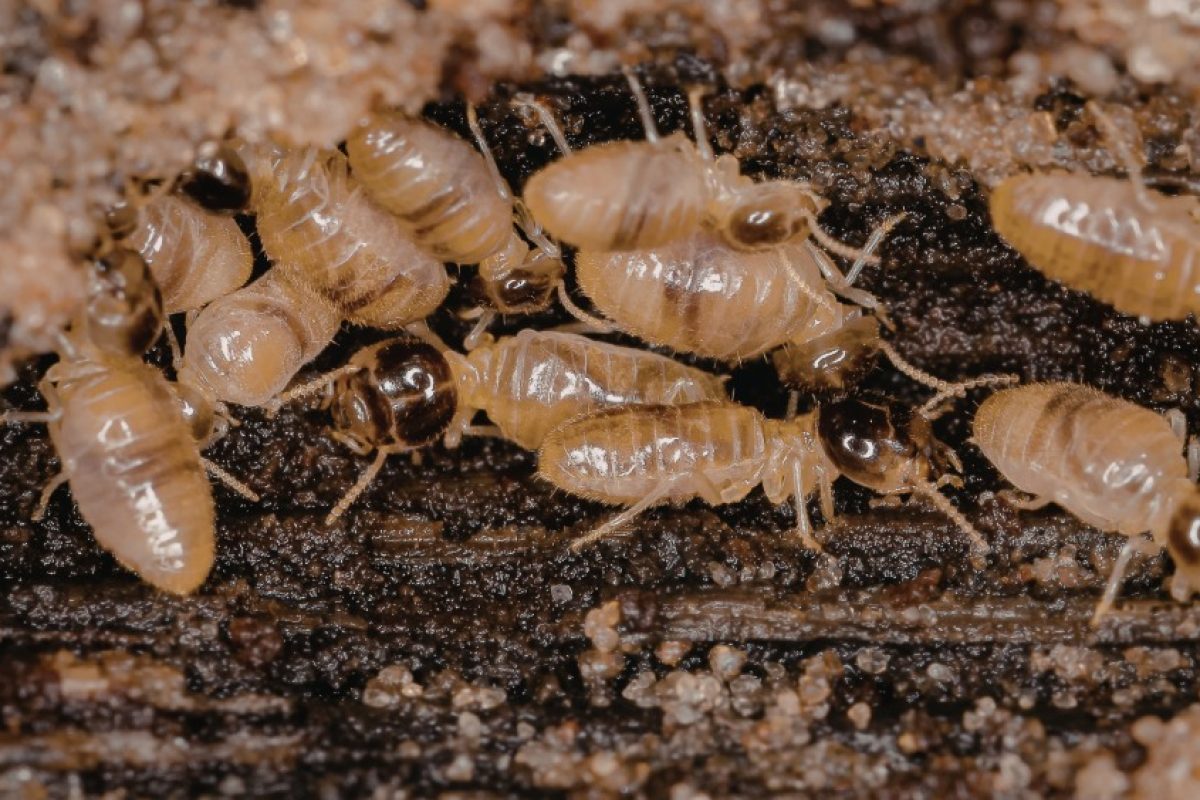
If you’ve ever noticed bubbling paint, warped skirting boards, or timber that suddenly feels “soft” under pressure, it’s natural to assume you’re dealing with a termite problem. The tricky part is this: not all termites behave the same way, even if the damage looks nearly identical at first glance.
In Singapore, the two termite species homeowners and property managers encounter most often are subterranean termites and drywood termites. Both feed on cellulose (the main component of wood), both can remain hidden for long periods, and both can quietly rack up costly repairs if left unchecked. But the similarities end there.
Understanding the difference between subterranean vs drywood termites isn’t just “nice to know”, it directly affects the treatment method, the long-term outcome, and how you maintain a termite-free environment after the job is done.
The problem is, termite damage often looks the same regardless of species. Hollow timber, cracked paint, or weakened door frames can be caused by either type. That’s why guessing based on visible damage alone is risky, and it’s also why misidentification is one of the biggest reasons infestations return.
When the termite type is incorrectly identified, treatment can become incomplete. You might eliminate what you can see, while the main colony continues feeding elsewhere, or you might treat the wrong zone entirely. The result? Recurring infestations, repeated call-outs, and mounting frustration.
At PestClinic, we emphasise accurate identification because termite type directly affects long-term control success. When you match the right treatment to the right termite behaviour, you don’t just reduce the current infestation, you lower the risk of it coming back.
Why Termite Misidentification Is Common in Singapore
Termite misidentification happens far more often than people realise, and Singapore’s environment doesn’t make it any easier.
One major reason is that different termite species can cause surprisingly similar damage. Whether the culprit is subterranean termites tunnelling through concealed structural timber or drywood termites feeding quietly inside furniture, the surface signs may be subtle, inconsistent, or delayed.
Another reason is the confusion between termite damage and other common issues, such as:
- Water damage causing timber swelling or warping
- Paint deterioration that looks like “blistering” or bubbling
In Singapore’s hot and humid climate, environmental conditions can accelerate wood deterioration. Moisture exposure, condensation, and poor ventilation can cause timber to degrade faster than expected, especially in older homes, storerooms, kitchens, and utility areas. This creates a perfect storm where homeowners may assume the wood is simply “old” or “damp”, when termites are quietly at work underneath.
It’s also important to understand that visual inspection alone is often insufficient for accurate identification. Termites are experts at staying out of sight, and what you see on the surface is rarely the full story.
That’s why professional termite inspections matter. They don’t just confirm whether termites are present, they help determine the species, the extent of activity, and the most effective way to stop the infestation at its source.
Subterranean Termites vs Drywood Termites: Key Differences at a Glance
Both subterranean and drywood termites feed on wood, but they live, spread, and infest properties in completely different ways. Before diving deeper, here’s a quick comparison to help you understand what sets them apart, and why treatment must be tailored accordingly.
| Comparison Factor | Subterranean Termites | Drywood Termites |
| Nests | Live in underground colonies and depend on soil | Live entirely within the wood they infest |
| Food Sources | Timber in buildings, plus any cellulose materials they can access from soil pathways | Timber furniture, fixtures, door frames, and wooden structures above ground |
| Colony Size and Growth Patterns | Large colonies, fast expansion, wide foraging range | Smaller colonies, slower growth, more contained spread |
| Speed and Scale of Structural Damage | Faster damage progression, potentially widespread across multiple areas | Slower damage progression, often limited to specific timber sections |
| How Visible or Hidden Infestations Typically Are | Typically concealed, with signs often appearing late unless mud tubes are visible. | More localised signs like frass (pellets) and hollow timber in specific areas |
| How Common in Singapore Properties | Very common in both residential and commercial properties | Less common than subterranean termites, but still found in homes and offices |
In Singapore, subterranean termites are generally the more common and destructive threat, particularly because their colonies can extend underground and access multiple parts of a structure without being easily detected. Drywood termites tend to be more localised, but that doesn’t make them harmless, especially when they infest key timber components.
Subterranean Termites: Behaviour, Spread, and Risk in Singapore
Subterranean termites are widely recognised as the most common termite species affecting properties in Singapore. Their biggest advantage is also the reason they’re so difficult to eliminate: they live underground and can travel unseen between soil and structure.
Because they depend on moisture from the ground, subterranean termites build large colonies in soil and then spread outward to locate food sources. This makes them particularly dangerous in landed homes, ground-floor units, and commercial spaces with nearby landscaping, planter boxes, or moisture-prone foundations.
Nesting Habits and Colony Structure
Subterranean termites are soil-dependent, meaning they require contact with the ground to survive. Their nests are typically located underground, where moisture levels remain stable enough to support the colony.
What makes them especially risky is how far their colony networks can extend. Instead of staying confined to one “nest spot”, subterranean termite colonies can spread across:
- Soil beneath the property
- Foundations and structural joints
- Underground pathways and hidden cracks
- Multiple timber access points throughout the building
In some cases, colonies may affect multiple areas within the same property, or even extend into adjacent units, especially in closely connected structures like terrace houses, shophouses, or certain commercial layouts.
How Subterranean Termites Enter Buildings
Subterranean termites don’t need a dramatic opening to invade. They only need a small weakness in the structure, and they are exceptionally good at finding one.
Common entry points include:
- Foundation cracks
- Expansion joints
- Utility penetrations (pipes, cables, conduits)
- Gaps in concrete slabs or flooring joints
Once inside, they often build concealed mud tunnels, which act like protected highways between the soil and the timber they feed on. These tunnels help them stay moist and hidden, allowing them to move between soil and structure without obvious surface visibility.
This is why many homeowners only discover subterranean termites when the damage has already progressed significantly.
Damage Patterns and Structural Risks
Subterranean termites are known for targeting concealed timber, including structural and load-bearing elements. They often feed from the inside out, leaving the outer layer of wood intact until it becomes paper-thin.
This creates a dangerous illusion: timber may look normal on the surface, but be severely weakened internally.
Over time, damage often progresses unseen for long periods, especially in:
- Roof structures
- Door frames and skirting boards
- Concealed wall timber supports
- Timber flooring frameworks
Rather than causing a sudden, dramatic collapse, subterranean termite damage typically results in cumulative structural weakening. By the time obvious signs appear, repairs may already be extensive, and treatment becomes more complex.
Drywood Termites: Behaviour, Infestation Patterns and Limitations
Drywood termites differ fundamentally from subterranean termites because they do not rely on soil contact to survive. Instead, they live inside the wood they infest, drawing the moisture they need directly from the timber.
This makes their infestations more contained, but also easier to miss, especially when they establish themselves in furniture, wooden fixtures, or less frequently accessed areas.
Nesting and Feeding Behaviour
Drywood termites live entirely within the timber, meaning the wood itself becomes both their shelter and food source. They create galleries (internal tunnels) as they feed, gradually hollowing out the wood from within.
Compared to subterranean termites, drywood termites typically form smaller colonies. Their growth is slower, and their spread tends to be more contained, often staying within:
- A single furniture item
- One door frame or window frame
- A specific wooden fixture or panel
However, “contained” does not mean “safe”. If the infestation is located in a critical timber element, even a smaller colony can cause serious problems over time.
Common Signs of Drywood Termite Activity
Drywood termites often leave behind clearer signs than subterranean termites, but only if you know what to look for.
Common signs include:
- Frass or pellet droppings (small, dry, sand-like pellets)
- Localised hollow-sounding wood when tapped
- Damage limited to specific wooden fixtures or furniture
Unlike subterranean termites, drywood termites do not typically build mud tunnels. That means you may not see obvious pathways, but you may notice small kick-out holes where they push out frass from inside the wood.
Structural Impact and Risk Considerations
In many cases, drywood termites pose a more limited structural risk compared to subterranean termites, simply because their colonies are smaller and their spread is slower.
That said, drywood termites can still compromise important wooden elements when infestations occur in:
- Main door frames
- Structural timber features
- Built-in cabinetry with load-bearing supports
- Timber ceiling elements or decorative beams
This is why the location of infestation matters more than colony size. A small colony in a critical area can still lead to expensive repairs if ignored long enough.
Treatment Options for Subterranean Termites
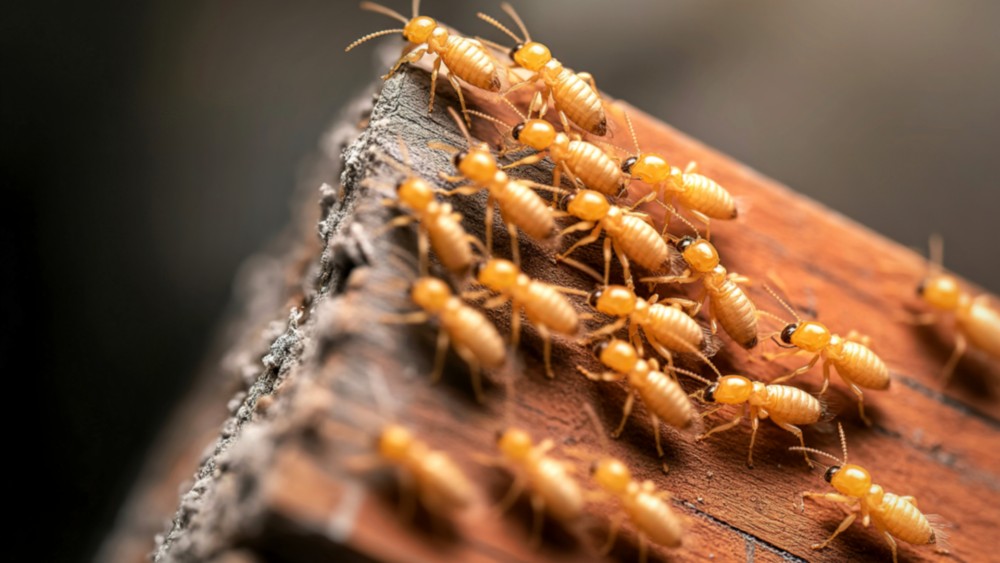
Now that we’ve probably got you feeling a little uneasy, you’re likely wondering how you actually get rid of subterranean termites for good. The tricky part is that they don’t just stay in one visible spot — the colony usually sits underground, and they can feed from multiple access points at the same time.
Subterranean termite treatment must address both the structure and the surrounding soil, because the colony typically exists underground and may be feeding from multiple access points at once.
Effective treatment needs to consider:
- Colony location
- Foraging range
- Ongoing access points and structural vulnerabilities
It’s also important to understand that visible termite activity rarely represents the full extent of infestation. What you see may only be a small fraction of the colony’s feeding network.
That’s why professional termite control for subterranean termites often involves a combination approach, supported by monitoring and follow-up.
Soil-Based Treatments
Soil-based treatments involve applying termiticides to the soil surrounding and, where possible, beneath a structure.
The goal is to form a chemical barrier between subterranean termite colonies and the building. When termites forage through treated soil, they either:
- Get repelled (depending on the product type), or
- Get eliminated through contact and transfer effects
For soil treatments to work effectively, continuous, unbroken barrier coverage is essential. Even small untreated gaps can become entry points, allowing termites to bypass the barrier entirely.
In practice, soil treatments may require:
- Careful site preparation
- Thorough application around critical zones
- Reapplication or supplementary measures over time, depending on conditions and risk factors
This is especially relevant in Singapore, where rainfall, soil movement, and landscaping changes can affect treatment longevity.
Termite Baiting Systems
Termite baiting systems are designed to intercept foraging subterranean termites using strategically placed bait stations.
Here’s how they work:
- Termites discover the bait station while foraging
- They consume the bait and carry it back to the colony
- The bait is distributed through social feeding behaviour
- Over time, the colony is gradually affected
Baiting does not produce immediate visible results, and that’s a good thing to understand upfront. It works gradually because it targets the source of infestation, the colony itself, rather than just the termites you see near the surface.
This makes termite baiting treatment a long-term management approach rather than a one-off treatment. It’s often used when ongoing monitoring and sustained control are priorities, especially in high-risk properties or commercial environments.
Treatment Options for Drywood Termites: How to Get Rid of Them Effectively
Drywood termite treatments focus on directly treating the infested wood, because colonies are contained within the timber rather than the soil.
The best approach depends heavily on:
- How widespread the infestation is
- Whether the affected timber is accessible
- Whether there may be multiple hidden infestation points
Incomplete treatment is a major risk with drywood termites. If certain sections remain untreated, colonies can persist undetected inside the wood, even if surface signs appear to improve temporarily.
Localised and Targeted Treatments
Localised treatments are designed to address specific, identifiable infestation sites. These methods focus on eliminating drywood termites directly within the affected timber.
Common approaches include:
- Direct wood injection into galleries
- Surface application of suitable treatment solutions
- Targeted removal and replacement of affected timber
The key challenge is accurately locating all active galleries within the wood. If treatment only reaches one section, termites in deeper or adjacent galleries may survive and continue feeding.
Localised treatment may be suitable for:
- Early-stage infestations
- Isolated furniture or fixtures
- Clearly accessible wooden elements
However, a thorough inspection should always come first, because what looks “localised” on the surface may extend further within the timber than expected.
Full-Structure Treatments
In some situations, broader treatment approaches may be required, especially when:
- Infestation sites are widespread
- Multiple wooden elements are affected
- Access to internal galleries is limited
- There is a risk of hidden infestations in other timber areas
The biggest concern with drywood termites is incomplete treatment. If even one active area is missed, termites can remain inside untreated sections and slowly rebuild the infestation over time.
That’s why assessment of infestation extent is essential before selecting a treatment plan.
How to Choose the Right Termite Treatment
Choosing the right termite treatment isn’t about picking the “strongest” solution, it’s about choosing the most appropriate one based on the termite species and infestation behaviour.
Key factors that should guide the decision include:
- Confirmed termite species versus suspected species
- Extent and location of infestation
- Property type and construction style
- Accessibility of affected areas
- Long-term management requirements
For example, a treatment plan that works well for subterranean termites may do very little for drywood termites, and vice versa. That’s why professional identification and inspection are the foundation of effective termite control.
At PestClinic, our focus is always on targeted, behaviour-based solutions, because that’s how you stop the infestation properly, and reduce the chances of it coming back.
Long-Term Termite Management and Prevention
Termite control is not always a one-and-done scenario. There’s a difference between short-term elimination and long-term control, and understanding that difference helps homeowners set realistic expectations.
Short-term elimination focuses on removing active termites from the property. Long-term control focuses on preventing reinfestation, especially in environments where termites are likely to return.
Long-term termite management often includes:
- Monitoring after treatment to confirm control success
- Identifying and sealing entry points where possible
- Managing moisture and ventilation issues
- Regular inspections to detect activity early
Singapore’s environmental conditions, including humidity, rainfall, and year-round warmth, can increase reinfestation risk. Even after successful treatment, ongoing management strategies help keep the property protected over time.
Key Takeaways for Homeowners and Property Managers
For many property owners, the bigger question isn’t just how to kill termites, but how to ensure no hidden sections remain untreated, because even a small missed area can allow the infestation to return over time.
When it comes to subterranean vs drywood termites, the key differences come down to where they live and how they spread.
Subterranean termites are typically more widespread, soil-dependent, and capable of causing significant structural damage without early warning signs. Drywood termites are usually more contained within timber, slower to spread, but still capable of causing serious damage when they infest critical wooden elements.
Most importantly, accurate identification matters. Termite damage can look similar across species, and assuming the termite type based on visible damage alone is one of the most common mistakes homeowners make.
When the wrong termite type is assumed, treatment may be incomplete, which increases the risk of recurring infestations. The termite species directly affects long-term control success, and that’s why professional inspection and behaviour-based treatment selection are essential.
If you suspect termites in your home or workplace, don’t leave it to guesswork. PestClinic brings 30 years of combined experience and expertise in Singapore pest control, delivering thorough inspections and customised termite treatment plans designed to solve the problem properly, not temporarily.