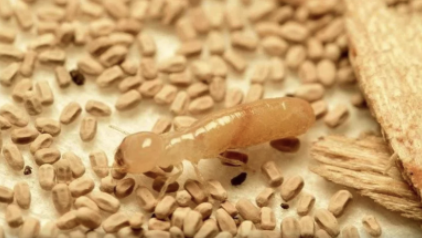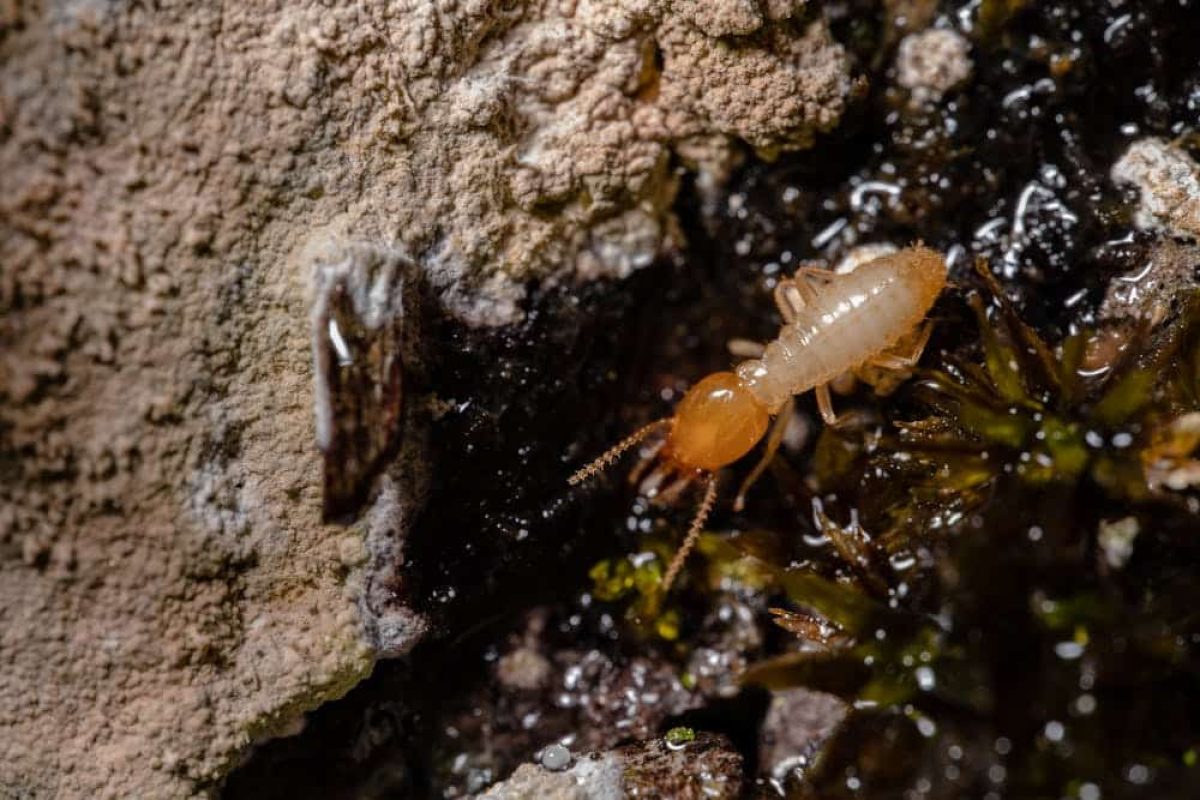
Property owners in Singapore often plan for cockroach pest control, rodent control, and other pests, but overlook termites. Even though termites are a common issue, local homeowners again and again underestimate how quickly they can infest a place and how widespread the damage can become.
This is because, unlike pests that are easy to spot and react to quickly, termites often stay hidden for long periods. Many infestations only become obvious after damage has already spread across timber structures, built-in fixtures, or concealed areas of a home or building.
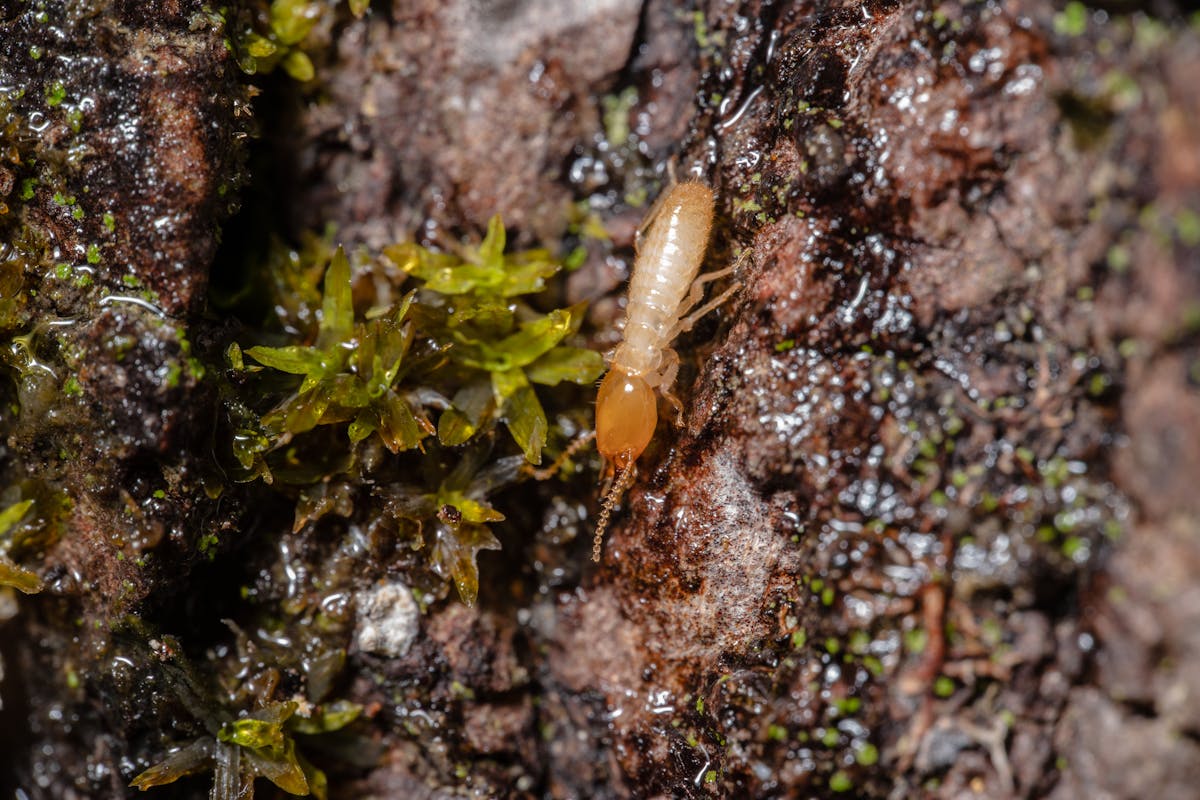
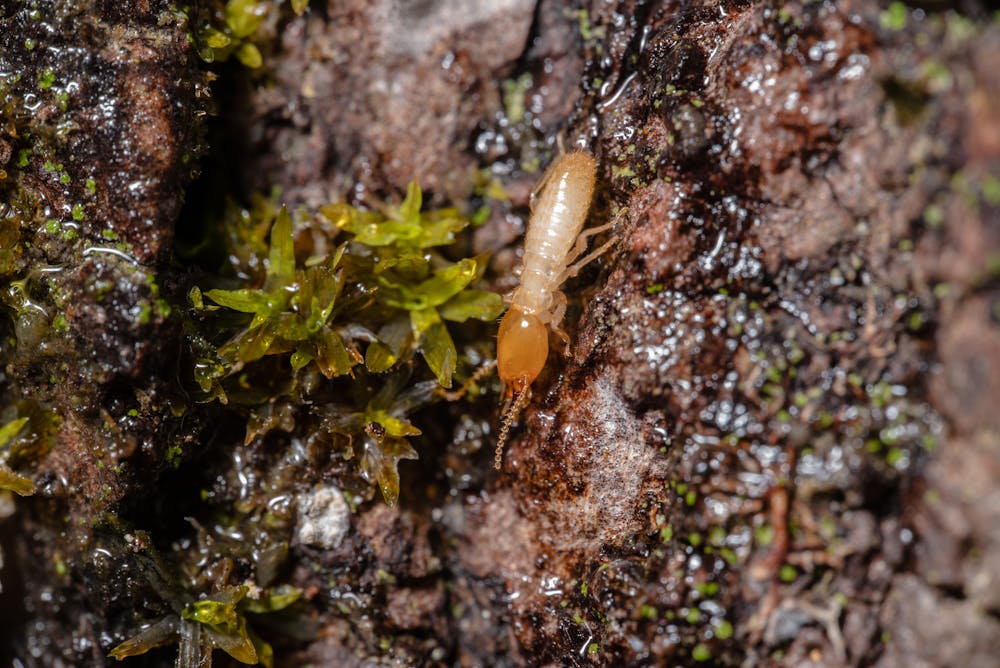
Among the local termite species, subterranean termites are widely regarded as the most destructive. They are responsible for the majority of serious structural termite damage in Singapore, largely because they live underground, operate in large colonies, and travel through soil and hidden entry points to reach wood sources.
This article presents a practical guide for property owners who want to understand how subterranean termites behave, why they are difficult to detect early, and the treatment strategies commonly used in Singapore.
Why Subterranean Termites are a Major Concern in Singapore
Singapore’s warm, humid climate creates ideal conditions for termite survival year-round. Unlike countries with colder seasons that naturally slow pest activity, termites in Singapore can remain active and feeding consistently, increasing the risk of ongoing, unnoticed damage.
Asian subterranean termites, or Coptotermes gestroi, are particularly difficult to manage for several reasons:
- Their colonies are built underground, where they are naturally protected from disturbance.
- They thrive in environments with moisture, soil contact, and sheltered spaces, all of which are common around building foundations, concealed voids, and areas affected by small leaks or poor drainage.
- They feed on cellulose-based materials such as timber, cardboard, and paper, which means many everyday structures and stored items can become targets.
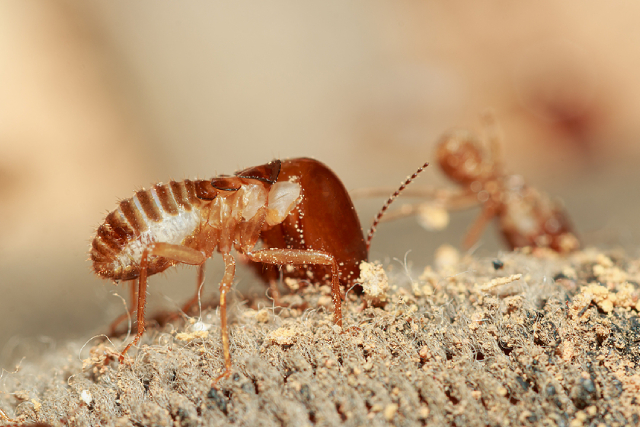
- Their colonies can contain thousands of workers, meaning they cause damage at a large scale very quickly.
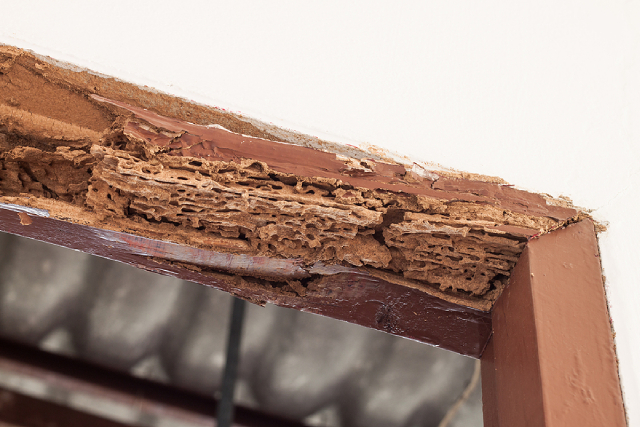
- Subterranean termites often consume wood from the inside out, which means timber may appear intact on the surface while being hollowed internally, weakening structural integrity over time.
In many cases, infestations go unnoticed until property owners notice visible damage, unusual structural changes, or obvious signs such as mud tubes. This is why early detection and timely action are essential, especially in a dense urban environment where termites can spread between adjacent properties or neighbouring units.For this reason, engaging reliable pest control services in Singapore is often far more cost-effective than waiting until the damage becomes unavoidable.
How Subterranean Termite Infestations Develop
To manage termite problems effectively, it helps to understand how subterranean termites establish themselves. Unlike surface pests that wander in and out of buildings, subterranean termites form colonies that remain hidden underground. Once a colony is established, worker termites travel outward to search for food, which is why an infestation may already be active even if there are no visible termites indoors.
When facing the extensive damage cause by termites, many property owners ask: where do they come from?
In most cases, subterranean termites originate from the soil surrounding a property, and they may already be present beneath the ground long before any signs appear. When conditions are favourable, they expand their network and enter buildings through cracks, gaps, and concealed access points. It also helps to understand the difference between drywood and subterranean termites, as the two species enter properties differently and require entirely different treatment approaches.
Subterranean termites may enter or spread through properties via:
- Soil surrounding the property perimeter
- Cracks in foundations, slabs, and wall-floor junctions
- Expansion joints and gaps around utility entry points
- Plumbing penetrations and concealed pipe routes
- Garden areas, planter boxes, and landscaping zones near structures
- Neighbouring colonies in adjacent units or nearby buildings
Subterranean termite infestations develop faster when certain conditions make the environment more favourable, such as:
- Persistent moisture from plumbing leaks, damp corners, condensation issues, or water-damaged timber
- High-risk zones such as kitchens, bathrooms, utility areas, and pipe entry points where dampness may go unnoticed
- Wood-to-soil contact, where timber structures or wooden fixtures are close to the ground or exposed to damp surfaces
- Outdoor pressure in landed homes, especially when gardens, landscaping, or organic debris increase termite activity near the building
- Construction activity, such as renovation works or excavation, which may disturb existing colonies and push termites towards new structures
Early-stage infestations are notoriously difficult to detect because subterranean termites are designed to stay hidden. They avoid light and open air, which is why they travel through protected tunnels and feed on wood from the inside. This means the infestation may continue quietly until the colony has expanded enough for visible symptoms to appear. Professional monitoring and regular termite inspections in Singapore play an important role in detecting issues early, before structural damage becomes severe.
Common Signs of Subterranean Termite Activity
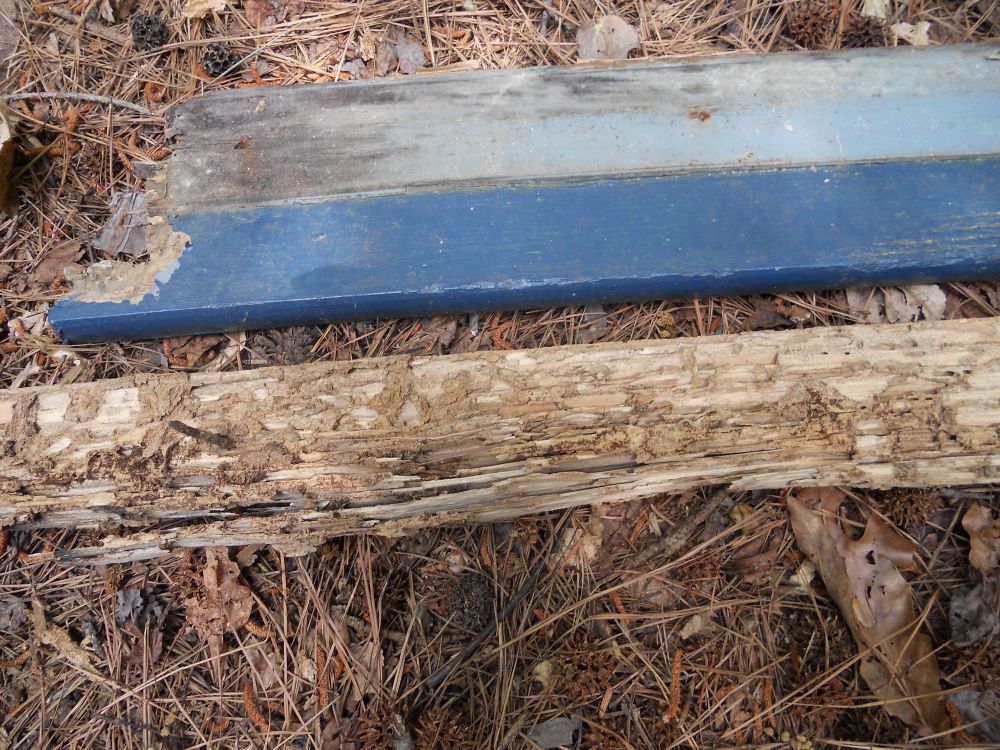
Because subterranean termites gnaw timber from the inside out, wood can look perfectly normal on the surface even when it has already been weakened internally. This is why many property owners only realise there is a termite problem once the damage becomes obvious, by which point the affected wood may already be extensively hollowed out.
To detect infestations earlier and reduce the risk of costly structural repairs, it helps to recognise the key signs of a termite infestation in your property. Common warning signs include:
- Mud tubes along walls, skirting boards, or near entry points, which termites use as protected travel routes
- Hollow-sounding wood when tapped, especially in door frames, cabinets, timber trims, or built-in carpentry
- Soft or weakened timber that dents, crumbles, or breaks more easily than expected
- Bubbling paint or peeling surfaces near wooden structures, sometimes mistaken for general wear or dampness
- Warped door frames or misaligned doors, where doors suddenly stick or no longer close smoothly
- Unusual structural changes, such as loose timber panels, weakened cabinetry, or instability in wood fixtures
While some of these signs may also resemble water-related damage, termite damage is often linked to internal hollowing and hidden feeding activity rather than surface-level deterioration alone. If you notice one or more of these warning signs, it is best to arrange a professional assessment promptly, as early intervention can prevent the infestation from spreading further.
Common Entry Points for Termite Invasion
Subterranean termites are not random invaders. As covered above, they typically enter buildings through areas that provide shelter, moisture, and direct access to timber or cellulose-based materials. Because they live underground, they are especially skilled at finding concealed entry points that property owners rarely check until a problem has already surfaced.
| Common Entry Point | Why It’s Vulnerable | What You Can Do | When To Call A Professional |
| Foundations And Ground-Level Walls | Subterranean termites live underground and can move directly from soil into the structure through concealed routes. | Seal visible cracks and avoid storing wood near perimeter walls. Keep the area dry and clear of clutter. | If you see mud tubes along walls, or suspect activity near skirting boards and corners. |
| Expansion Joints And Wall-Floor Junctions | Small gaps between building materials provide sheltered access points that termites can exploit without exposure. | Inspect corners and edges regularly, especially in older properties. Avoid leaving cardboard or timber materials near these areas. | If there are repeated signs in the same spot despite cleaning or minor patching. |
| Utility Entry Points (Pipes, Wiring, Conduits) | Termites can travel along penetrations and voids where pipes and cables enter the property. | Ensure gaps around pipes are sealed properly. Monitor damp areas near plumbing routes. | If you notice recurring dampness, soft wood near pipe routes, or suspicious trails near utility points. |
| Kitchens | Frequent water use increases moisture levels, especially under sinks and behind cabinets where leaks may go unnoticed. | Keep under-sink areas dry, repair leaks promptly, and avoid storing cardboard packaging under cabinets. | If cabinets feel weak, wood sounds hollow, or there are signs of damage behind built-ins. |
| Bathrooms | High humidity and hidden plumbing can create long-term damp zones, especially behind vanity units and toilet areas. | Improve ventilation, check for water seepage, and maintain silicone sealing in wet zones. | If door frames or timber trims near bathrooms warp or become soft. |
| Service Yards And Laundry Areas | Washing machines, floor traps, and drainage zones create persistent moisture, making it easier for termites to survive and travel. | Keep the area well-ventilated, clean floor traps, and check for pooling water or leaks. | If you see mud tubes near floor traps, or notice timber fixtures deteriorating unusually fast. |
| Gardens, Planter Boxes, And Landscaping Near Walls (Landed Homes) | Damp soil close to walls increases termite pressure, especially if there is organic debris or wood-to-soil contact. | Avoid placing timber directly on soil. Clear old wood debris, and keep planter boxes away from structural walls where possible. | If termite issues recur even after basic upkeep, or if activity seems to come from outdoor zones. |
| Ground-Level Storage Areas (Storerooms, Car Porches, Outdoor Sheds) | Stored timber items, cardboard boxes, and low airflow make these areas ideal feeding and nesting support zones. | Store items off the ground using shelving. Reduce clutter and avoid long-term storage of cardboard. | If you find hollow wood, droppings-like debris, or visible mud trails near stored items. |
| Ground-Floor Units And Maisonettes (Apartments / Condos) | These units are closer to soil contact zones and may be exposed through shared building pathways. | Stay alert for early warning signs and schedule regular checks even if the unit appears “clean”. | If you experience repeated sightings or suspect infestation coming from adjacent structures. |
| Shared Structural Voids Between Units (Apartments / Condos) | Termites may travel through concealed voids, conduits, and structural gaps, allowing infestations to spread across units. | Coordinate early reporting if neighbours also notice termite issues. Do not rely on isolated spot treatments. | If multiple units show activity, or if the issue returns soon after treatment. |
Ultimately, moisture, hidden access points, and untreated entry points combine to make certain properties attractive to termites.
If you are unsure whether your home is at risk, arranging for subterranean termite control is one of the most reliable ways to identify weak points and prevent a small issue from becoming a full infestation.
Treatment Options for Subterranean Termites in Singapore
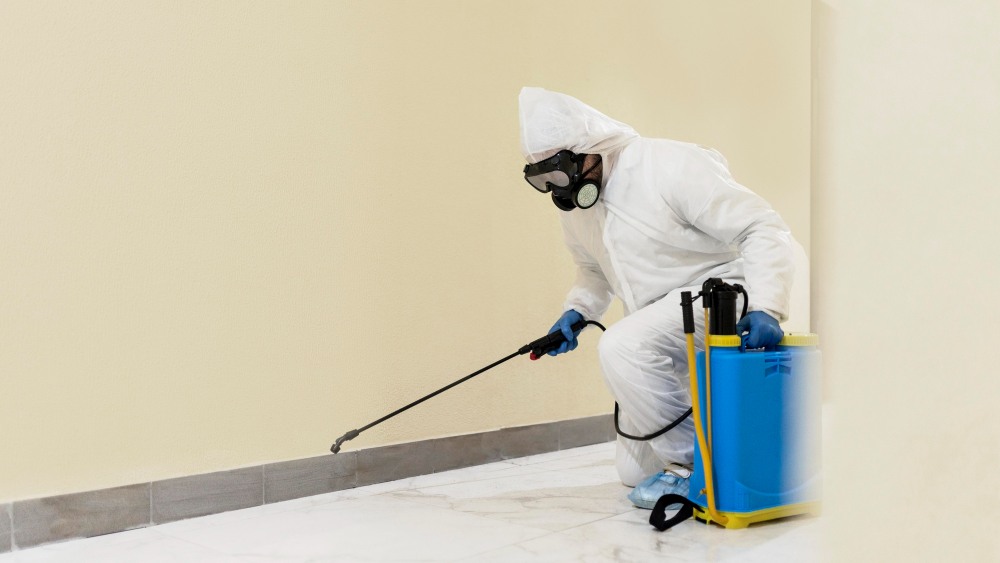
If you are asking how do you get rid of subterranean termites, the key is understanding that successful termite management requires a targeted strategy based on how widespread the infestation is, how the property is built, and where termite access points are located. Subterranean termite infestations can differ greatly between landed homes, apartments, and commercial buildings, so there is rarely a one-size-fits-all approach.
In Singapore, professional termite control generally involves methods that either eliminate the colony gradually through feeding and transfer effects or block termite movement through protective treatment zones.
Termite Baiting System
- What It Is: A colony-focused treatment method that aims to eliminate subterranean termites at the source, rather than only treating visible damage.
- How It Works: After a full inspection, toxicant-laced bait is placed above ground in strategic locations where termite activity is detected. Worker termites consume the bait and share it throughout the colony via feeding behaviour, gradually reducing the population and impacting key colony members such as the Queen. Biweekly monitoring is carried out to track bait consumption and termite activity until the colony is controlled.
- When It Is Used: Termite baiting systems are used when the infestation is widespread, hidden, or difficult to access directly.
- How Long It Lasts: Colony elimination is often achieved within 6 to 8 weeks on average, depending on infestation size and feeding activity, with ongoing monitoring required during the treatment period.
Termite Spot Treatment
- What It Is: A targeted treatment applied directly to active termite zones, usually within wooden structures or visible infestation points.
- How It Works: A specialist inspects affected timber areas for subterranean termite activity, then applies termiticide to active infestation zones. The treatment disrupts termite grooming behaviour and increases their exposure to soil fungi, thereby contributing to natural elimination and helping reduce termite survival in treated areas.
- When It Is Used: Most suitable for early-stage or localised infestations where termite activity is concentrated in a specific area and access is relatively direct.
- How Long It Lasts: Duration depends on infestation severity and whether termites are entering from untreated external sources. Routine inspections are recommended to ensure termites have not spread to concealed areas and to prevent recurrence.
Corrective Treatment for Landed Properties
- What It Is: A corrective termite control method designed for landed homes, where subterranean termite entry points are often connected to soil exposure and multiple external access routes.
- How It Works: The infestation is located, and termiticide solution is applied to affected zones. Small holes (commonly 8mm) are drilled at regular intervals (often around 300mm apart) to allow injection of termiticide into structural areas where termites may be travelling or feeding. The holes are then sealed after treatment to restore surface integrity.
- When It Is Used: Used when termite activity is established or widespread in landed properties, especially when infestation pathways are suspected to involve soil contact around the building perimeter.
- How Long It Lasts: Typically provides protection for up to 5 years, depending on environmental conditions and property risk factors.
Corrective Treatment for Apartments
- What It Is: A more controlled corrective treatment method tailored for apartments and condominiums, where access points and treatment zones differ from landed homes.
- How It Works: Termiticide solution is applied to affected wood areas, and small drilled access points (commonly around 2mm) are created to inject treatment into targeted zones. The drilled points are then filled with coloured wooden fillers to maintain a neat finish and minimise visual impact.
- When It Is Used: Often used when termite activity is detected in door frames, built-in carpentry, skirting areas, or timber fixtures, particularly where subterranean or drywood termites may be travelling through concealed conduits or structural voids.
- How Long It Lasts: Typically provides assurance for up to 2 years, depending on infestation conditions and whether surrounding termite pressure remains present.
Roof Treatment
- What It Is: A treatment method applied to roof timber structures, such as wooden rafters, to reduce termite risk and prevent termite feeding in roof zones.
- How It Works: Two layers of blanket spraying are applied to roof timber using termiticide solution, providing stronger coverage and added durability. This creates a protective treatment layer on timber surfaces that may be vulnerable to termite activity.
- When It Is Used: Used when termite infestation risk is linked to roof timber structures, or when roof zones require preventive reinforcement due to property conditions or past termite concerns.
- How Long It Lasts: Typically provides protection for up to 1 year, depending on exposure conditions and ongoing termite pressure.
Soil Treatment (Pre-Construction)
- What It Is: A preventive anti-termite treatment applied before construction is completed, designed to form a protective barrier beneath the structure.
- How It Works: An anti-termite barrier is applied to the soil before concrete is installed. This reduces the likelihood of subterranean termites entering the property from underground after construction is completed.
- When It Is Used: Commonly used for new builds or major renovation projects, where commercial pest control services can be integrated early during foundation works.
- How Long It Lasts: Typically provides protection for up to 5 years, forming long-term defence at the foundation level.
It is also important to understand why improper or incomplete treatment often leads to recurrence. DIY sprays or surface treatments may kill termites on contact, but they typically do not reach the colony. In some cases, they may even cause termites to relocate deeper into the structure, making the infestation harder to detect and control.
This is why working with an experienced termite control company Singapore property owners trust is critical, particularly when subterranean termites are involved. When handled correctly, treatment not only reduces current infestation pressure but also supports longer-term protection against future termite activity.
How to Prevent Subterranean Termite Infestations
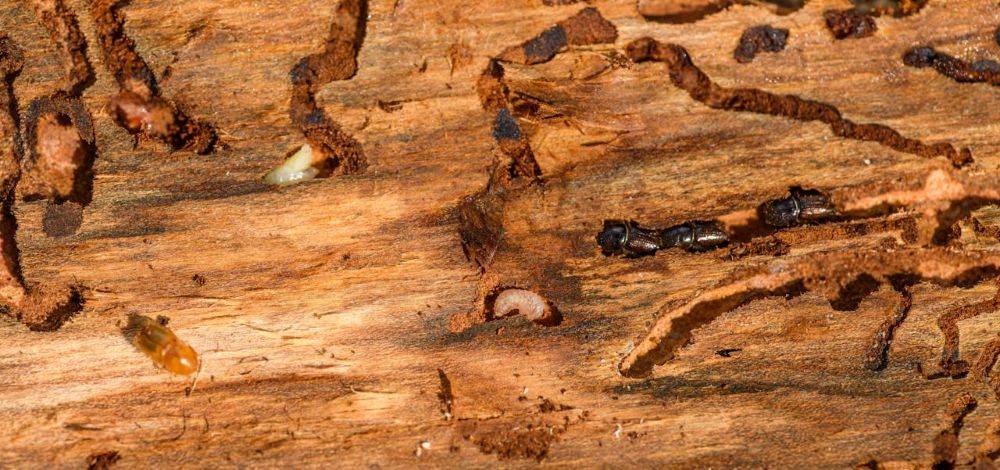
For property owners looking into how to prevent termite infestation, the goal is to reduce the conditions that subterranean termites rely on: moisture, shelter, and easy access to timber. While no property in Singapore can be completely termite-proof, consistent maintenance and early monitoring can significantly reduce the likelihood of a serious infestation.
To reduce the risk of termite activity developing in your property, these prevention steps are especially important:
- Keep dampness under control, as subterranean termites depend on moisture to survive. Fix leaking taps and pipes promptly, improve ventilation in bathrooms and service yards, and check under sinks or behind cabinetry for slow leaks that may go unnoticed.
- Seal cracks, gaps, and weak points where termites may enter unseen. Pay attention to wall-floor junctions, expansion joints, and areas around plumbing or utility entry points.
- Avoid leaving cardboard or wood (furniture, boxes) on the ground, even as “storage”. For landed properties, keep gardens and planter boxes well-maintained and clear rubbish quickly.
- Schedule routine checks even if there are no obvious warning signs, as termites often remain hidden until damage is advanced.
Ultimately, prevention works best when it is consistent and supported by professional monitoring. Since subterranean termites can stay hidden underground and spread through concealed pathways, regular inspection and timely intervention with a termite control company in Singapore provide the strongest long-term protection.
Choosing the Right Subterranean Termite Treatment for Your Property
When homeowners first spot termites or notice suspicious damage, it is common to try DIY sprays, online “quick fixes”, or simple spot treatments to make the problem go away fast. However, this approach is rarely effective for subterranean termites, because the visible activity is usually only a small part of a much larger underground colony. DIY methods may kill termites on contact, but they often fail to reach the source of the infestation, allowing termites to continue feeding unseen, spread to new areas, or return once surface activity appears to subside.
A professional assessment is essential because termite control is not a one-size-fits-all situation. Most assessments are carried out by a trusted termite control company experienced in subterranean termite behaviour and structural risks. The right subterranean termite treatment depends on what is happening beneath the surface, how far the infestation has spread, and where termites are entering. During an inspection, specialists typically consider factors such as:
- Property type, such as landed homes with soil exposure versus apartments with concealed structural pathways
- Infestation extent, including whether activity is localised or spread across multiple areas
- Access points, such as cracks, wall-floor junctions, plumbing routes, or outdoor perimeter entry zones
Ultimately, professional subterranean termite treatment supports long-term protection by focusing on eliminating termite activity at the source, rather than just managing what is visible. With the right inspection and treatment strategy, property owners can avoid repeated infestations, reduce long-term repair costs, and gain far more reliable protection than what DIY or partial treatments can provide.
Protecting Your Property From Subterranean Termite Damage
Subterranean termites are one of the most damaging pests in Singapore, largely because they operate silently and remain hidden until the infestation becomes serious. For many property owners, the biggest challenge is that the earliest signs are easy to miss, which is why awareness of termite activity signs is essential.
For homeowners and businesses wondering how do you get rid of subterranean termites, the answer lies in choosing a solution that matches the real infestation pattern and provides long-term protection. With professional support, timely action, and preventive maintenance, it becomes far easier to reduce termite risk and protect your property from costly structural damage in the long run.