Singapore’s warm, humid climate makes it a year-round breeding ground for termites, and among the species that threaten local homes and businesses, drywood termites in Singapore are some of the most misunderstood. Unlike subterranean termites, they don’t need contact with soil to survive, which means they can quietly colonize furniture, door frames, and structural timber without any obvious connection to the ground outside. This guide covers everything you need to know about drywood termites: how to identify them, the signs of an infestation, the damage they cause, and the most effective drywood termite control and treatment methods
What Are Drywood Termites?
Drywood termites are a group of wood destroying insects that live entirely within the wood they consume. They belong to the family Kalotermitidae, and unlike subterranean termites, they do not build mud tubes or require soil moisture to survive. Instead, they extract the small amount of moisture they need directly from the wood itself.
A drywood termite colony begins when a pair of winged reproductives, a king and queen, swarm from an existing colony, find a suitable crack or crevice in wood, and begin excavating a small chamber. From there, the colony grows slowly over months and years as the queen lays eggs that develop into workers, soldiers, and eventually new reproductives. Compared to subterranean termite colonies, drywood colonies mature slowly and are typically much smaller, numbering in the low thousands rather than the hundreds of thousands seen in subterranean species. But a single property can have several independent drywood colonies at once, each one quietly working through a different piece of timber.
Drywood vs Subterranean Termites: The Key Differences
Among the types of termites in Singapore, drywood and subterranean termites are the two you’re most likely to encounter, and understanding the difference matters because the treatment approach for each is completely different.
| Aspect | Drywood Termites | Subterranean Termites |
|---|---|---|
| Habitat | Live entirely inside the wood they consume | Live in the soil, travel to wood via mud tubes |
| Soil contact | Not required | Required for moisture and survival |
| Moisture needs | Draw moisture from the wood itself | Need consistent external moisture |
| Common locations | Roof timbers, attic beams, cabinets, upper floor furniture | Wood in contact with, or close to, the ground |
| Colony size | Smaller, usually a few thousand termites | Much larger, often tens of thousands or more |
| Detection difficulty | Harder, since colonies are hidden inside timber with no ground link | Easier, since mud tubes are often visible |
| Typical treatment | Direct elimination or fumigation | Soil barriers or baiting systems around the perimeter |
Where Drywood Termites Are Commonly Found
Drywood termites in furniture is one of the most common ways this pest enters a home, but they can infest almost any dry wooden item or structural element, including:
- Roof rafters and eaves
- Wall studs, door and window frames
- Wooden furniture, especially solid wood cabinets and antique pieces
- Picture frames and wooden decor
- Structural beams in attics and roof spaces
- Wooden flooring and skirting
Drywood termites in HDB usually show up in furniture and cabinetry, while drywood termites in landed properties can also affect roof timbers and structural beams. Because they can be introduced via infested furniture, drywood termites can appear even in newer buildings with no other termite history.
How to Identify Drywood Termites
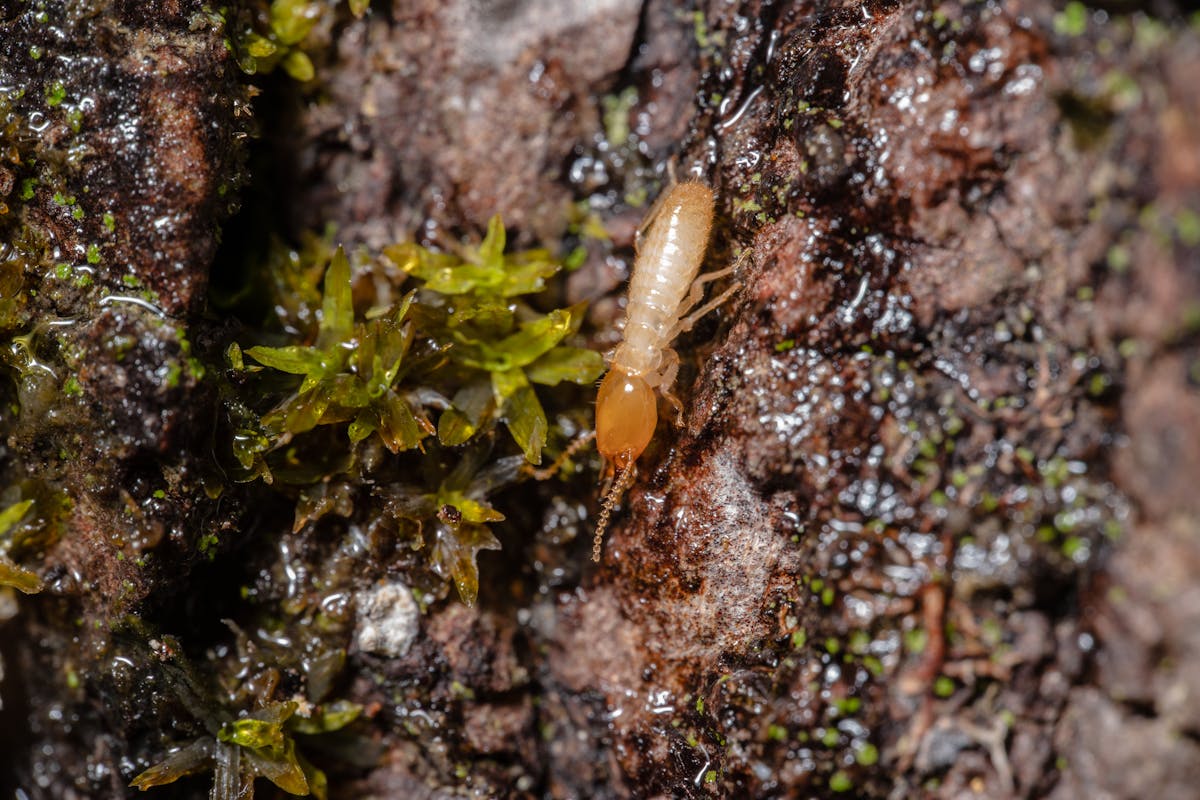
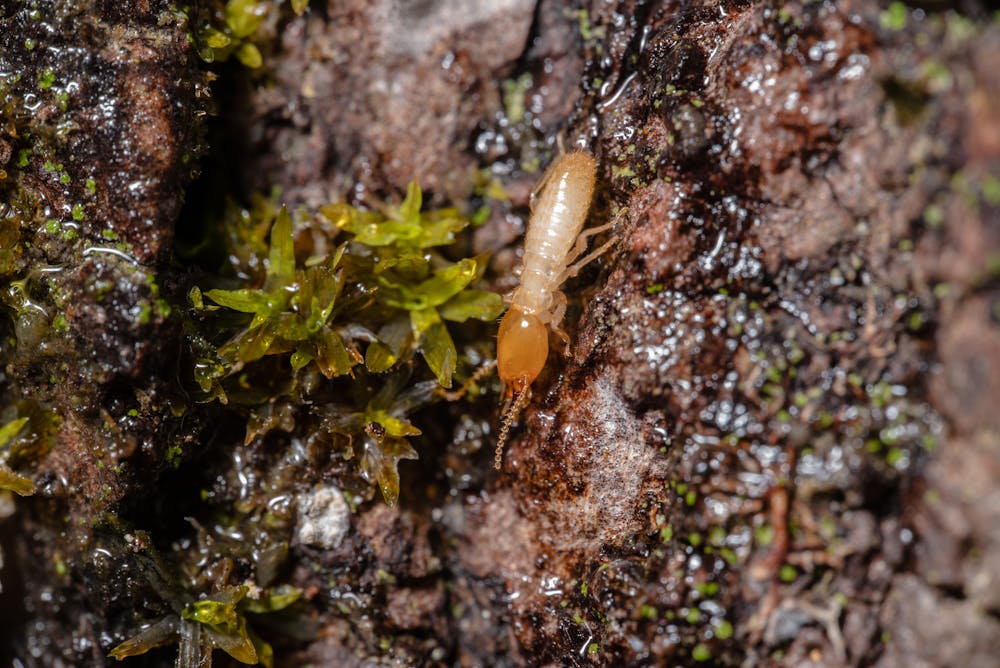
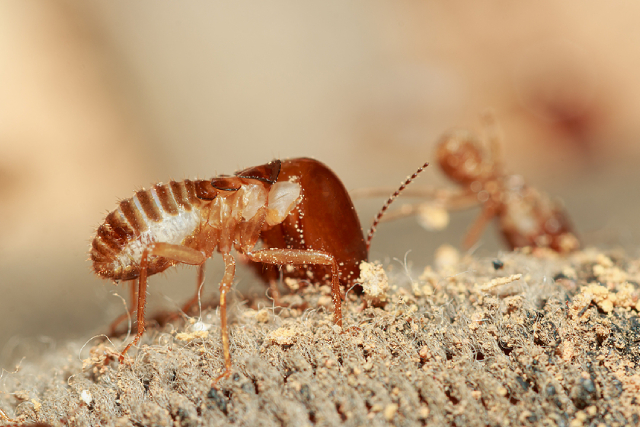
Drywood termites vary in appearance depending on their role within the colony. Workers and immature termites, which make up most of the colony, are small, soft bodied, and pale cream to whitish in colour, since they spend their entire lives hidden inside wood away from light. Soldiers are similarly pale but have noticeably larger, darker heads with strong mandibles, which they use to defend the colony. The reproductive alates, the winged termites that swarm to start new colonies, are typically brown to dark brown or black, with two pairs of equal sized, translucent wings that extend well beyond their body length. It’s this last form that people are most likely to actually see, usually during a swarming event, since workers and soldiers rarely leave the wood they’re living in.
Signs of Drywood Termite Infestation
Because drywood termites live hidden inside timber, signs of drywood termite infestation often go unnoticed until the damage is significant. Here’s what to watch for:
Drywood Termite Frass and Kick-Out Holes
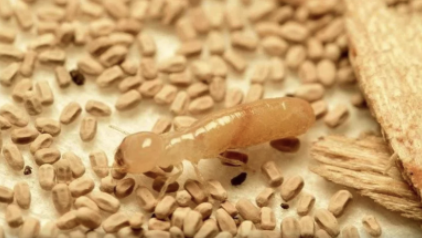
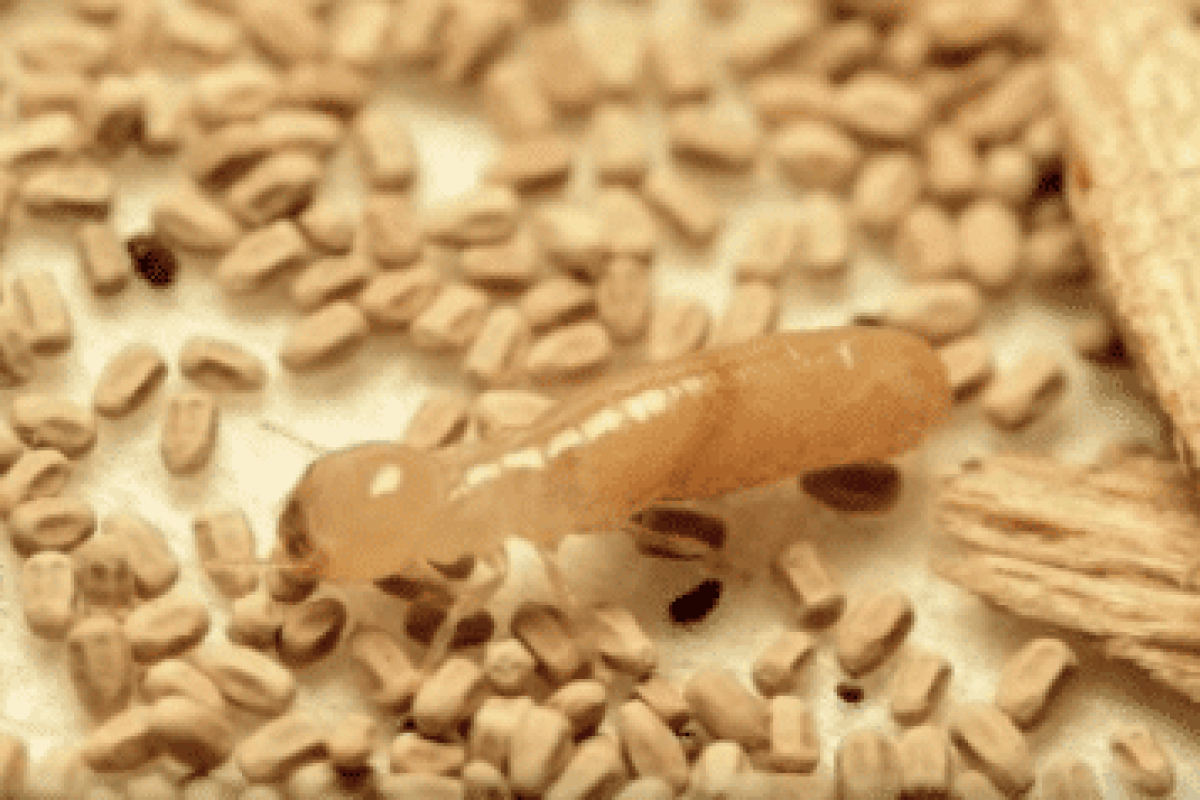
One of the most reliable drywood termite signs is frass, small, pale brown pellets that resemble coarse sand. If you’re trying to tell termite droppings vs sawdust apart, frass is hexagonal and ridged, while sawdust is finer and irregular in shape. Drywood termites periodically clear their tunnels by ejecting these pellets through drywood termite kick out holes in the wood surface, typically only 1 to 2mm in diameter. You may find small mounds of frass beneath infested furniture, door frames, or cabinets.
Drywood Termite Wings
Drywood termites produce winged reproductive members, or alates, that leave the colony periodically to establish new colonies elsewhere. Unlike subterranean termites, drywood alates swarm from within the structure itself rather than from the soil, so you’re likely to find clusters of discarded, translucent drywood termite wings near wooden furniture, windowsills, or light fixtures after a swarming event.
Hollow-Sounding Solid Wood
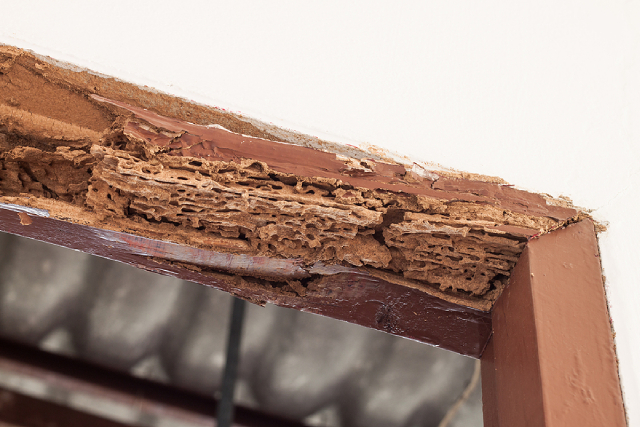
Wood affected by drywood termites often produces a dull, hollow sound when tapped, despite appearing intact on the surface. Because the termites tunnel through the interior while leaving a thin outer layer in place, damage is often invisible until the wood surface is pressed and gives way.
Sagging Floors, Ceilings, or Warped Doors
In more advanced infestations, structural elements may begin to sag, warp, or become difficult to open and close, a sign that the infestation has progressed for some time.
Drywood Termite Damage: How Serious Is It?
Drywood termites consume wood along the grain, creating smooth walled galleries and tunnels inside timber. Over time, this hollowing weakens the wood’s structural integrity. So how serious are drywood termite infestations, really? Left untreated, an infestation can lead to weakened structural beams, damaged furniture, compromised door and window frames, and costly repairs, especially if the damage isn’t caught early.
Across Southeast Asia, termites are estimated to cause hundreds of millions of dollars in structural damage annually, and Singapore’s climate does nothing to slow that down. Because drywood termites don’t need external moisture, they can continue damaging wood even in dry, air conditioned interiors, making them a persistent risk regardless of how well a building’s moisture levels are managed.
What Attracts Drywood Termites, and Can They Spread?
Drywood termites are drawn less to moisture and more to exposed, untreated timber and cracks or crevices where swarmers can land and start a new colony. This is part of what attracts drywood termites to older furniture, exposed roof beams, and unsealed door frames.
Drywood termites can spread when winged reproductives leave an existing colony to establish new ones nearby, often through cracks, exposed timber, or infested furniture brought into a home. Because each new colony is independent and contained within its own piece of wood, an untreated infestation in one item can lead to new colonies forming in adjacent timber over time. If you notice any of the signs above, a professional assessment is the most reliable way to confirm what you’re dealing with.
Drywood Termite Treatment Options: How Do You Get Rid of Drywood Termites?
Once an infestation is confirmed, drywood termite treatment in Singapore varies depending on how many separate timber items or areas are affected.
1. Inspection
Before any treatment begins, a detailed inspection identifies active infestation points within wooden structures, including cabinets, door frames, and other timber fittings. This step determines whether direct elimination is enough on its own, or whether drywood termite control needs to extend to fumigation.
2. Direct Elimination (Targeted Flushing)
This is the standard first line approach for infestations confined to a specific piece of furniture, cabinet, or door frame, once active points have been confirmed. Once drywood termite activity is confirmed at a specific spot, targeted flushing methods are applied to eliminate termites directly within the wood. Because drywood colonies are self contained, treating the specific item or section directly is often enough to eliminate the whole colony without needing to treat the entire structure. It’s less invasive and faster to carry out than fumigation.
3. Fumigation Treatment
Fumigation is recommended for widespread or concealed infestations, particularly when the infestation has spread across multiple timber components or when direct elimination can’t reach all active areas. The affected areas are sealed and treated using controlled fumigation, which penetrates deep into timber to manage termite activity thoroughly, including pockets that haven’t been individually identified.
Drywood Termite Treatment Cost in Singapore
Termite treatment cost in Singapore varies depending on the treatment method, the extent of the infestation, and property type. Termite fumigation cost in Singapore tends to run higher than direct elimination, since it covers a larger treatment area and more thorough penetration into timber. Getting an onsite assessment is the most accurate way to know what a specific job will cost, since pricing depends heavily on how widespread the infestation is.
Preventing Drywood Termite Infestations
here is how u can control drywood termite infestions:
- Inspect wooden furniture before bringing it indoors, especially secondhand or antique pieces, a common source of introduced infestations.
- Seal cracks and crevices in exterior wood surfaces, window frames, and eaves where swarmers could enter.
- Paint or seal exposed wood to reduce the chances of termites finding an entry point.
- Schedule regular professional check-ups, particularly for older properties or homes with a lot of solid wood furniture.
- Repair damaged screens and vents to limit swarmer entry points.
- Remove wooden debris and clear stored materials near walls, which can otherwise attract termite activity.
When to Call a Professional
While a very minor infestation in a small item might seem manageable on your own, structural infestations should always be assessed by a licensed pest control professional. Misidentifying the species, underestimating the extent of an infestation, or applying treatment incorrectly can let a colony survive and keep causing damage. A professional assessment also helps confirm whether subterranean termites are present too, since a property can be affected by both types at once.
Concerned About Drywood Termites in Your Home?
Early detection makes all the difference with drywood termites. The longer an infestation goes unnoticed, the more timber it works through. PestClinic offers free onsite consultations to assess the extent of an infestation and recommend the right pest control approach, whether that’s targeted flushing for a single piece of furniture or fumigation for a more widespread problem. All treatments use NEA-approved products safe for households with children, pets, and elderly residents, and assessments are typically arranged at the earliest.
WhatsApp PestClinic to schedule an assessment
Final Thoughts
Drywood termites are a persistent, often overlooked threat precisely because they don’t need the soil contact or moisture that make subterranean termites easier to detect. Their ability to live entirely within a single piece of timber, from a roof beam to a cabinet, means infestations can go unnoticed for years, especially in Singapore’s climate where conditions rarely slow them down. Recognizing the early signs and scheduling regular check ups are the best defenses against costly structural damage. When in doubt, a professional assessment is the safest way to confirm whether an infestation exists and choose the right treatment approach for your property.