

Drywood Termites vs. Subterranean Termites: Understanding the Differences
While all termites feed on wood, different species behave very differently. In Singapore, the most common termite threats are the subterranean and drywood species, each requiring a distinct treatment approach.
1. Subterranean Termites

Food Source
Habitat
Reproduction
Subterranean termites are the most destructive species in Singapore and account for the majority of local infestations. Scientifically known as Coptotermes gestroi, they live in large underground colonies capable of causing extensive structural damage.
Each colony operates through a caste system of king, queen, workers, soldiers, and alates, with each group performing a specific function.
Food Source
Subterranean termites feed on materials containing cellulose, including wood, cardboard, paper, and plant matter. When land is cleared or buildings are constructed, termites often shift from natural food sources to attacking timber structures.
They typically enter buildings through wood in contact with soil, foundation cracks, or mud tubes built along walls and foundations, making subterranean termite control in Singapore essential for long-term protection.
Habitat
Because they require constant moisture, subterranean termites build mud tubes to protect themselves while travelling between soil and food sources. These tubes are commonly found near door frames, windows, kitchen areas, and toilet entrances.
In some cases, subterranean termites can tunnel through cracks in concrete to maintain soil contact, increasing the risk of hidden infestation.
Reproduction
Queens lay eggs continuously and can produce millions over their lifespan. Winged swarmers periodically leave the colony to establish new nests, contributing to the rapid spread of infestation.
2. Drywood Termites
Food Source
Habitat
Reproduction
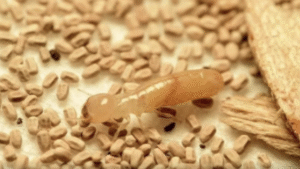
Drywood termites differ significantly in behaviour, as they live entirely within dry timber and do not require soil contact. This makes detection more difficult and often delays treatment.
Because colonies remain concealed within wood, drywood termite treatment typically requires specialised inspection and targeted control methods.
Food Source
These termites consume both hardwood and softwood along the grain to extract cellulose. Commonly affected areas include cabinets, skirting, door frames, and furniture.
Damage often develops internally, with few external signs until infestation is advanced.
Habitat
Sound, untreated wood serves as both shelter and food source. Moisture requirements are met through the wood itself, eliminating the need for external water sources.
This enclosed environment offers protection but also increases the difficulty of early detection.
Reproduction
Winged alates leave the colony, shed their wings, and burrow into suitable timber to establish new nests. Eggs take several months to hatch, allowing infestations to develop unnoticed.
Early drywood termite control helps limit structural damage and spread.
3. Dampwood Termites

Food Source
Habitat
Reproduction
Dampwood termites are less common locally and are usually associated with high-moisture environments. Infestations are typically linked to decaying timber or persistent water issues.
Food Source
Cellulose remains the primary food source, with preference for damp or rotting wood found near water or soil-contact areas.
Habitat
Dampwood termites are typically found in moist or decaying wood and are commonly associated with areas affected by excess moisture, such as poor drainage, ventilation issues, or plumbing leaks.
They do not require soil contact and live directly within the wood they consume.
Reproduction
Colonies are formed by winged alates that establish nests directly within moist timber. While typically smaller, populations can grow under favourable conditions.
In Singapore, subterranean species still account for approximately 90% of overall termite activity.
Subterranean Termite Control & Treatment
Effective subterranean termite control in Singapore requires targeted treatment based on infestation extent and property type. PestClinic offers multiple treatment options to manage active infestations and reduce recurrence risks.
Baiting System
Effective subterranean termite control in Singapore requires targeted treatment based on infestation extent and property type. PestClinic offers multiple treatment options to manage active infestations and reduce recurrence risks.
Inspection & Treatment:
A full property inspection is conducted before above-ground bait stations are placed in identified activity zones. The bait is transferred within the colony, allowing gradual reduction of termite activity.
Monitoring:
Regular monitoring of the termite bait system is carried out to assess progress and determine when colony activity has been effectively managed.
Key Benefit:
Colony-level control with long-term monitoring.
Spot Treatment with Termiticide Spray

Inspection & Treatment:
Targeted inspection of wooden structures is performed to identify active subterranean termite activity. Early detection helps limit structural damage.
Application:
Termiticide is applied directly to affected areas to disrupt termite movement and exposure pathways.
Key Benefit:
Localised treatment for early-stage infestations.
Corrective Treatment
(Landed Property)

Process:
Infested areas are identified before termiticide is applied through drilled injection points along affected sections. Treated points are sealed after application.
Warranty:
Up to 5 years, subject to site conditions and treatment scope.
Corrective Treatment
(Apartment)

Process:
Affected wooden areas are treated using controlled termiticide application through small drill points, which are sealed with colour-matched fillers.
Warranty:
Up to 2 years, depending on treatment scope and access conditions.
Roof Treatment

Process:
Wooden rafters and roof structures are treated with layered termiticide application to manage termite activity in elevated timber areas.
Warranty:
Up to 1 year.
Soil Treatment

Process:
An anti-termite barrier is applied to soil before slab installation to reduce subterranean termite entry into the structure.
Warranty:
Up to 5 years, subject to site conditions.
Drywood Termite Control & Treatment
Drywood termite infestations require targeted treatment methods, as colonies live entirely within timber and are not connected to soil. Effective control focuses on accurate detection and direct elimination within affected wood.

Inspection
A detailed inspection is conducted to identify active infestation points within wooden structures, including cabinets, door frames, and timber fittings.
Direct Elimination
Once activity is confirmed, targeted flushing methods are applied to affected areas to eliminate termites directly within the wood.
Fumigation Treatment
For widespread or concealed infestations, the affected areas are sealed and treated using controlled fumigation to penetrate deep into timber and manage termite activity thoroughly.
For professional drywood termite treatment in Singapore, PestClinic provides tailored solutions based on infestation severity and site conditions to help protect your property from further damage.
How Can You Prevent Termite Infestation?
-
Seal Foundation Cracks
Small cracks in foundations and walls can serve as entry points. Sealing these gaps helps limit termite access into the structure.
-
Repair Leaking Downpipes
Leaks create damp conditions that attract termites. Ensuring downpipes and plumbing are properly maintained helps reduce moisture buildup.
-
Fix Cracked Roof Tiles
Damaged roof tiles allow water ingress, increasing moisture levels within timber structures. Timely repairs help minimise this risk.
-
Distance Garden Mulch from Home
Mulch placed too close to walls or foundations can provide termites with shelter and easy access to the building.
-
Remove Debris Near Walls
Wooden debris, overgrown plants, and stored materials near walls can attract termite activity and should be cleared regularly.
Why Choose PestClinic for Subterranean and Drywood Termites Treatment?
Fast & Efficient Service
Safe and Child-Friendly Treatments
Free Consultation Before Booking
Affordable Packages
Protect Your Property from Termites
Contact Us
Get In Touch
Address
Crocodile House
3 Ubi Avenue 3, #05-03A
Singapore 408857
Working Hours
Monday to Sunday,
8.30am to 6.00pm.
Including public holidays
More on Termites

Termite Control: What Affects Termite Treatment Cost In SG?
Termites are one of the most common pests that can cause significant damage to homes and buildings. In Singapore alone, different types …

Top 4 Reasons Why Termites Are Not Favoured In Homes
When an infestation starts to spread, termites often create tension and inconvenience to homeowners. In addition to the damages, these insects are …

5 Common Things At Home That Termites Can Destroy Easily
Services for pest control in Singapore likely get more complaints about termite infestation compared to any other type of household pests. Having …
Frequently Asked Questions About Subterranean and Drywood Termites
Explore the articles below to discover expert insights on termite prevention and treatment methods, including effective Singapore drywood termite control strategies.
What is the best treatment for drywood termites?
How serious are drywood termite infestations?
Can drywood termites spread?
Drywood termites spread through swarming. Winged reproductives leave existing colonies to establish new ones in nearby wooden structures.
They may enter through cracks, exposed timber, or infested furniture, which is why early inspection and treatment help reduce the risk of further spread.
How can you detect drywood termites?
Drywood termites are difficult to detect because they live inside wood and do not build visible mud tubes. Common indicators include:
- Frass (droppings): Small, pellet-like deposits near infested wood
- Hollow-sounding timber: A hollow sound when tapped
- Discarded wings: Often found near windows or light sources after swarming
Professional inspection is recommended when these signs are observed.
How do you control subterranean termites?
Subterranean termite control focuses on managing colonies that live underground and maintaining barriers between soil and structures. Treatment may involve soil-applied termiticides or baiting systems to reduce colony activity over time.
Because these infestations originate below ground, control methods differ from those used for drywood termites and typically require ongoing monitoring.
What causes subterranean termites?
Subterranean termites are attracted to moisture and access to wood. Common contributing factors include leaking pipes, poor drainage, high humidity, and wood-to-soil contact.
They often enter buildings through foundation cracks or expansion joints, making moisture management and structural maintenance key components of prevention.
What are the signs of subterranean termite infestation?
How much does subterranean termite treatment cost in Singapore?
How often should I schedule subterranean termite inspections?
Regular inspections are recommended to detect early signs of activity, especially for properties with soil contact or higher moisture exposure. The frequency may vary based on property type, past infestation history, and environmental conditions.

