

Drywood Termites vs. Subterranean Termites: Understanding the Differences
Termites are destructive pests, but not all termites are the same. Two common types that pose threats to properties in Singapore are drywood termites and subterranean termites. Understanding their differences is essential for choosing the correct treatment method to protect your property.
1. Subterranean Termites

Food Source
Habitat
Reproduction
Subterranean termites, the most infamous and destructive insect’s wood pest in Asia, are known by their scientific name coptotermes gestroi. They are capable of severely damaging a family’s most prized asset in their abode and inflict millions of dollars’ worth of damage every year. Subterranean termites dwell in underground colonies and have castes that are responsible for specific colony tasks. The caste system is made up of three classes – swarmers, soldiers, and workers.
Food Source
Subterranean termites ingest anything with cellulose and fibre from wood, including plant products, cardboard, and paper. Though dead trees are their primary food source, termites will begin attacking building structures when the land is cleared due to human intervention as well as homes that are constructed. Termites can enter houses and buildings through timber sitting on soil and building tunnels (mud tubes in foundations). They may also easily infiltrate through foundational openings or cracks.
Habitat
As they need damp settings to survive, subterranean termites construct their mud tubes to reach their food sources and defend their colonies from predators. To meet this need, however, they typically build their nests in or close to the ground, skirting near windows, toilet door frames, and kitchen sinks. They also keep their connection to the soil by tunnelling through wood or mud tubes on the ground. In some cases, these termites can create tunnels through concrete cracks.
Reproduction
Every day, the subterranean termite queens breed and lay eggs. The male will perish after the mating. Termite queens lay an enormous number of eggs, typically between 11 million eggs annually, and can lay 165 million eggs in their lifetime. Reproductive females and males in the swarmer caste are sent outside during the spring to reproduce and establish new colonies.
2. Drywood Termites
Food Source
Habitat
Reproduction
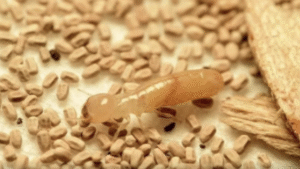
Also known as Kalotermitidae, drywood termites are the second most destructive termite pest behind subterranean ones due to their reduced moisture needs and ability to dwell totally inside of wood. They target timber that is currently being used and dead wood on living trees. Yet, drywood termite treatment is much more difficult to execute because, unlike subterranean termites, they cannot be lured or treated with bait. For property owners, investing in Singapore drywood termite control ensures peace of mind.
Food Source
Drywood termites devour both hardwood and wood that has been eaten along and across the grain in order to obtain their sustenance from the cellulose in the wood. Additionally, they consume built-in cabinets, wood skirting, and door frames.
Habitat
Drywood termites only inhabit sound, dry wood, like doorframes, antique wood, and wooden cabinets, which serve as a food source and colony site. The likelihood of a drywood termite infestation is often quite high should the wood not be treated. These termites may obtain all the moisture they require from the wood they devour and their metabolic processes; thus, they do not need to establish soil contact. Drywood termites are well protected from the environment and predators by living within their food supply, which also makes it exceedingly challenging to find them. Drywood termite control experts often emphasise early detection to prevent damage. If you’re facing an issue with drywood termite control, it’s essential to take prompt action before they spread and cause extensive damage.
To avoid extensive infestations, homeowners are encouraged to engage Singapore drywood termite treatment specialists who can detect and eliminate termites at the early stages.
Reproduction
Primary (winged alates) and replacement (wingless, not heavily sclerotised) are the two main types of reproductives. Replacement reproductives stay in the colony where they were developed, whereas swarmers move on to find new colonies. All the mating, as well as egg-laying that takes place within a drywood termite colony, are carried out by reproductives.
After alates land, they tend to twist off their wings, find a mate, and burrow into a suitable area in the wood like built-in cabinets, door frames and wooden skirting, in which they would then mate. These alates (swarmers) whose wings have broken off are called dealates. It takes several months before the eggs hatch, making drywood termite treatment in Singapore critical for managing infestations.
After alates land, they tend to twist off their wings, find a mate, and burrow into a suitable area in the wood like built-in cabinets, door frames and wooden skirting, in which they would then mate. These alates (swarmers) whose wings have broken off are called dealates. After which, it takes several months before the eggs hatch, making Singapore drywood termite treatment critical for managing infestations
3. Dampwood Termites
Food Source
Habitat
Reproduction
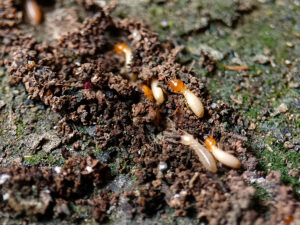
Dampwood termites thrive in extremely moist areas and feed and live in very moist wood, particularly in fallen trees, stumps, tree shrubs, and in the garden area. Thus, they get their name due to the fact that they are frequently seen and feed on wood with moisture, like damp wood and decaying timber.
Dampwood termites do not build shelter tubes, in contrast to the subterranean termite species. This is due to the fact that dampwood termites do not require any soil contact. In addition, they only consume moist wood
Food Source
All termites’ main food source is cellulose present in wood, hence, dampwood termites tend to feed on wooden materials kept near water or woods in direct contact with soil. As their name suggests, dampwood termites typically consume moist wood-like damp or decaying wood.
Habitat
Dampwood termites often infest damp wood that is already decomposing, as their name suggests. They are also known to infest structures with high moisture levels or fungus due to drainage concerns, ventilation problems, or plumbing leaks.
Additionally, excessive moisture that may build up in wall cavities as a result of old, leaf-clogged gutters, can attract dampwood termites.
Essentially, these termites do not nest in the soil but rather reside inside the wooden structures they are consuming.
Reproduction
A dampwood termite colony is established by a pair of winged swarmers. They locate an appropriate piece of wood and subsequently create a chamber in it. The first year, they only lay a few eggs. Although colonies are typically tiny, dampwood termite colonies are able to grow significantly under the right circumstances. Out of the 3 termite species, subterranean termites account for about 90% of termite activities in Singapore.
Signs of Subterranean Termite Infestation
Subterranean termites infestation in Singapore can be difficult to detect in its early stages. Colonies typically develop within walls, beneath flooring and underground long before visible damage becomes apparent. Recognising the warning signs early is critical to limiting structural harm.
Look out for the following indicators:
Mud Tubes
These thin earthen tunnels are approximately 5–10mm wide, running along walls, skirting boards, foundations and door frames. They serve as protected pathways that allow subterranean termites to travel between soil and timber.
Hollow-sounding Wood
A dull, hollow thud on wooden surfaces indicates that termites have been feeding internally.
Bubbling or Blistering Paint
Termites feed right up to the paint layer and stop, causing the surface above to bubble or blister. This is one common instance where termite infestation can be mistaken for water damage.
Tight-fitting Door and Window Frames
Termite damage causes surrounding timber to warp slightly, making frames fit more tightly than before.
Discarded Wings
During swarming season, reproductive termites shed their wings after flight. Clusters of discarded wings near windowsills or light fixtures are a strong indicator that a colony is nearby or already established.
If you have observed any of these signs, do not delay. A termite infestation, whether subterranean or drywood, can grow rapidly. The longer it is left without treatment, the more extensive the structural damage becomes.
Subterranean Termite Control & Treatment
Effective subterranean termite control in Singapore requires targeted treatment based on infestation extent and property type. PestClinic offers multiple treatment options to manage active infestations and reduce recurrence risks.
Baiting System
Inspection & Treatment:
A full property inspection is conducted before above-ground bait stations are placed in identified activity zones. The bait is transferred within the colony, allowing gradual reduction of termite activity.
Monitoring:
Regular monitoring is carried out to assess progress and determine when colony activity has been effectively managed.
Key Benefit:
Colony-level control with long-term monitoring.
Spot Treatment with Termiticide Spray

Inspection & Treatment:
Targeted inspection of wooden structures is performed to identify active subterranean termite activity. Early detection helps limit structural damage.
Application:
Termiticide is applied directly to affected areas to disrupt termite movement and exposure pathways.
Key Benefit:
Localised treatment for early-stage infestations.
Corrective Treatment
(Landed Property)

Process:
Infested areas are identified before termiticide is applied through drilled injection points along affected sections. Treated points are sealed after application.
Warranty:
Up to 5 years, subject to site conditions and treatment scope.
Treatment
(Apartment)

Process:
Affected wooden areas are treated using controlled termiticide application through small drill points, which are sealed with colour-matched fillers.
Warranty:
Up to 2 years, depending on treatment scope and access conditions.
Roof Treatment

Process:
Wooden rafters and roof structures are treated with layered termiticide application to manage termite activity in elevated timber areas.
Warranty:
Up to 1 year.
Soil Treatment

Process:
An anti-termite barrier is applied to soil before slab installation to reduce subterranean termite entry into the structure.
Warranty:
Up to 7 years, subject to site conditions.
Not sure which subterranean termite treatment is right for your property, whether that’s termite baiting treatment or fumigation? WhatsApp us to schedule an inspection today. Inspection fee applies if no treatment is adopted after.
Signs of Drywood Termite Infestation
Unlike subterranean termites, drywood termites do not require contact with soil. They live entirely within the timber they infest, which makes a drywood termite infestation particularly difficult to detect without a thorough inspection.
Watch for these signs:
Frass
These small, pale-brown pellets resemble coarse sand or sawdust, found below infested furniture or door frames. Drywood termites push frass out through tiny kick-out holes as they feed.
Hollow-sounding Solid Wood Furniture
When tapped, infested timber produces a dull hollow sound despite appearing intact on the surface.
Small Exit Holes in Timber
These are the kick-out holes through which frass is expelled. They are typically 1–2mm in diameter and may appear on furniture legs, door frames, or structural timber.
Discarded Wings Near Wooden Furniture
Unlike subterranean termites, drywood alates swarm within the structure itself rather than from the soil. Finding wings clustered near wooden furniture is a tell-tale sign that treatment is needed.
Drywood Termite Control & Treatment

Inspection
A detailed inspection is conducted to identify active infestation points within wooden structures, including cabinets, door frames, and timber fittings.
Direct Elimination
Once drywood termite activity is confirmed, targeted flushing methods are applied to affected areas to eliminate termites directly within the wood.
This treatment is backed by a 2-week service warranty. Should termite activity recur within the warranty period, PestClinic will return to re-treat at no additional charge.
Fumigation Treatment
For widespread or concealed infestations, the affected areas are sealed and treated using controlled fumigation to penetrate deep into timber and manage termite activity thoroughly.
Fumigation is typically recommended when the infestation has spread across multiple timber components, or when direct injection cannot reach all active areas. The affected furniture or timber section is enclosed and treated. Normal household activity can continue in unaffected areas of the property throughout the process.
Concerned about drywood termites? WhatsApp us to schedule an appointment for inspection. Our specialists can identify the species and recommend the most appropriate treatment approach to carry out immediately after.
How Can You Prevent Termite Infestations?
Preventive measures help reduce conditions that attract termites and lower the risk of infestation. Regular maintenance and early action play an important role in long-term termite management.
-
Seal Foundation Cracks
Small cracks in foundations and walls can serve as entry points for subterranean termites. Sealing these gaps helps limit termite access into the structure.
-
Repair Leaking Downpipes
Leaks create damp conditions that attract subterranean termites. Ensuring downpipes and plumbing are properly maintained helps reduce moisture buildup.
-
Fix Cracked Roof Tiles
Damaged roof tiles allow water ingress, increasing moisture levels within timber structures. Timely repairs help minimise this risk.
-
Distance Garden Mulch from Home
Mulch placed too close to walls or foundations can provide termites with shelter and easy access to the building.
-
Remove Debris Near Walls
Wooden debris, overgrown plants, and stored materials near walls can attract termite activity and should be cleared regularly.
Why Choose PestClinic for Subterranean and Drywood Termites Treatment?
Fast & Efficient Service
We aim to conduct your site assessment within 2 working days of your enquiry. For active infestations, same-day or next-day assessment may be available. Our team understands that a termite problem does not wait, and neither should you.
Safe and Child-Friendly Treatments
All products used by PestClinic are NEA-approved. Our technicians are trained to apply treatments in full compliance with Singapore's safety guidelines: safe for households with children, pets, and elderly residents.
Free Onsite Consultation
Our specialists assess your property in person and recommend the best pest control solution for your infestation. Treatment can be applied immediately following the inspection. If a particular treatment is not right, we will suggest the correct approach instead.
Affordable Packages
Termite treatments from $180 depending on property type and infestation extent. Service warranties from 1 to 7 years are included with primary treatments. A written quote is provided before any work begins: no surprises, no hidden fees.
Protect Your Property from Termites
Early assessment and appropriate treatment help reduce the risk of long-term damage.
Frequently Asked Questions About Subterranean and Drywood Termites
What is the best treatment for drywood termites?
Effective drywood termite treatment begins with a detailed inspection to identify active infestation points within timber. Once detected, targeted flushing methods are used to eliminate termites directly within the wood. For more extensive infestations, localised fumigation may be applied.
How serious are drywood termite infestations?
Drywood termites pose a significant risk to wooden structures as they feed entirely within dry timber. Infestations can occur in furniture, door frames, beams, and flooring without obvious external signs. If left untreated, damage can worsen and lead to costly repairs, making early detection and control important.
Can drywood termites spread?
Drywood termites spread when winged reproductives leave existing colonies to establish new ones in nearby wooden structures. They may enter through cracks, exposed timber, or infested furniture, which is why early treatment is crucial for reducing the risk of further spread.
How can you detect drywood termites?
Drywood termites are difficult to detect because they live inside wood and do not build visible mud tubes. Common indicators include the presence of droppings, hollow-sounding timber and discarded wings near light sources. Professional inspection is recommended when these signs are observed.
How do you control subterranean termites?
Subterranean termite control focuses on managing underground colonies and maintaining barriers between soil and structures, using soil-applied termiticides or baiting systems to reduce colony activity. Because infestations originate below ground, treatment and ongoing monitoring differ from approaches used for drywood termite control.
What attracts subterranean termites?
Subterranean termites are attracted to moisture and wood. Common contributing factors include leaking pipes, poor drainage, high humidity, and wood-to-soil contact.
They often enter buildings through foundation cracks or expansion joints, making moisture management and structural maintenance key components of prevention.
What are the signs of subterranean termite infestation?
Common signs include mud tubes along walls or foundations, damaged or hollow-sounding wood, and unexplained blistering on wooden surfaces. In some cases, winged termites may appear during swarming periods. Because activity often occurs below ground, infestations can remain hidden without professional inspection.
How much does subterranean termite treatment cost in Singapore?
The cost of subterranean termite treatment varies depending on the approach, property size, and infestation severity. As a general guide, treatments typically range from hundreds to thousands. Treatment can take place immeidately after the initial inspection.
How often should I schedule subterranean termite inspections?
Regular inspections are recommended to detect early signs of activity, especially for properties with soil contact or higher moisture exposure. The frequency may vary based on property type, past infestation history, and environmental conditions.
Contact Us
Get In Touch
Address
Crocodile House
3 Ubi Avenue 3, #05-03A
Singapore 408857
Working Hours
Monday to Sunday,
8.30am to 6.00pm.
Including public holidays
More on Termites

Risk & Removal: How Dangerous Are Drywood Termites, Really?
Subterranean termites tend to follow a predictable pattern. They live underground, rely heavily on soil moisture, and build mud tubes to reach …

Earth Hour: Do Termites Prefer The Dark Or The Light?
Earth Hour happens every March, bringing people together to switch off their lights for an hour in a global effort to support …

The Termite Prevention Checklist For A Termite-Free Home
Termites are destructive pests that should be eliminated as soon as you notice signs of their presence, given their capacity to cause …

