

Professional Termite Inspection in Singapore
Termites are one of the most destructive pests affecting properties in Singapore. Due to our warm and humid climate, termite colonies can thrive year-round, often remaining hidden until significant damage has already occurred. A professional termite inspection is therefore a critical preventive measure for homeowners, property managers and business owners who want to protect their premises from costly structural damage.
Our pest control services at PestClinic are designed to identify early signs of termite activity before they escalate into major infestations. Whether you manage a residential property, commercial space or F&B outlet, our inspectors can help you gain clarity on your property’s condition, potential risks and the appropriate next steps, all without unnecessary disruption.
Termite Inspection in Singapore: Our Detection Methods
A professional termite inspection relies on advanced detection methods that go beyond visual checks. At PestClinic, we combine proven inspection techniques with modern technology to deliver accurate, reliable findings. Our approach ensures that hidden termite activity is identified early, even in areas that are difficult to access.
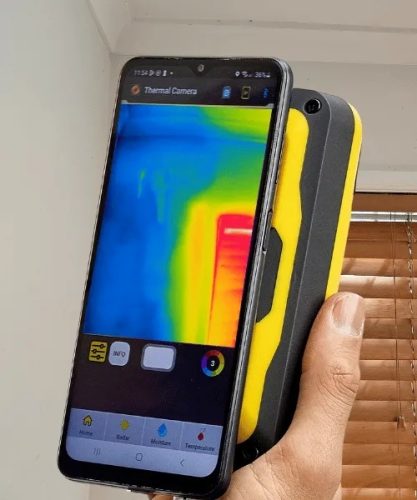
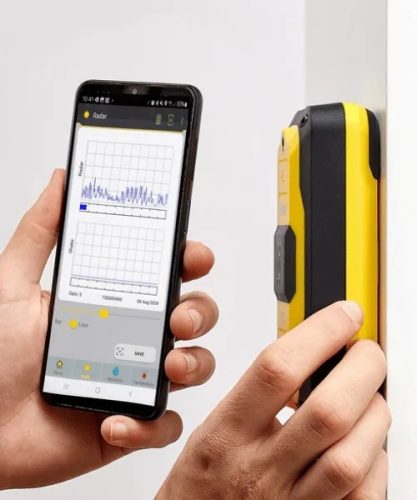
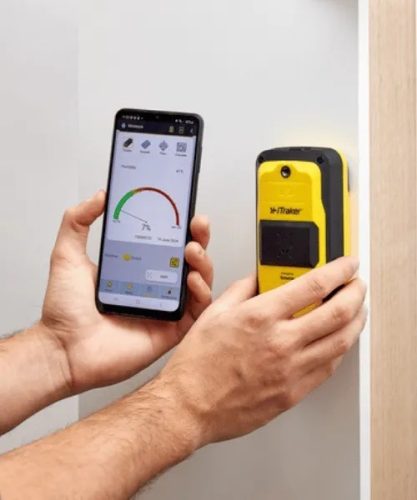
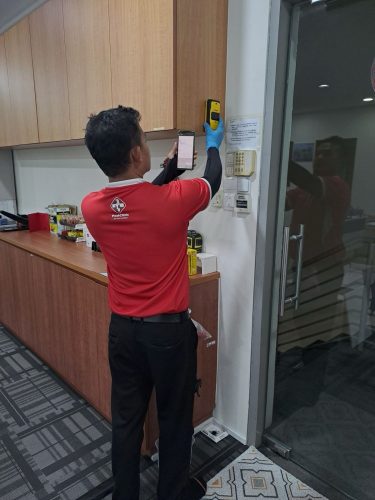
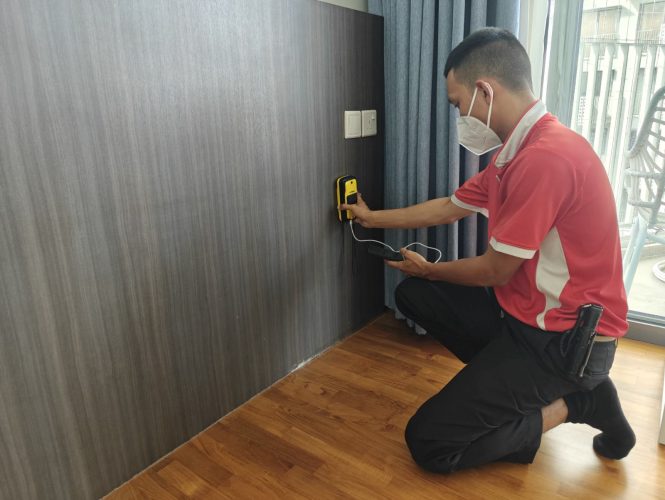
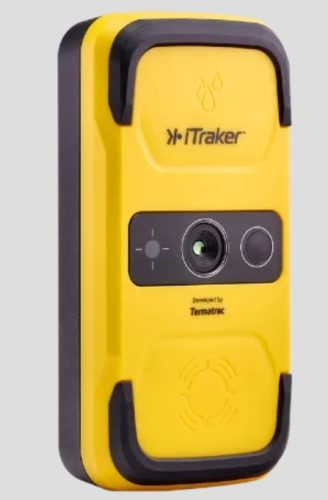
1. Subterranean Termite Inspection using (iTraker – Thermal Imaging / Radar Motion Detector / Moisture Detector)
The iTraker is a cutting-edge, non-invasive detection system designed to accurately identify termite movement and activity. This technology accurately locates termite activity within walls, floors, ceilings, and wooden structures — enabling targeted treatment with minimal disruption.
Inspection technologies include:
- Thermal Imaging – Detects hidden issues behind surfaces
- Radar Motion Detector – Tracks termite movement without drilling or damage
- Moisture Detector – Identifies moisture-prone areas conducive to termite activity
2. Termite Detection Using PestClinic Thermography Inspection System
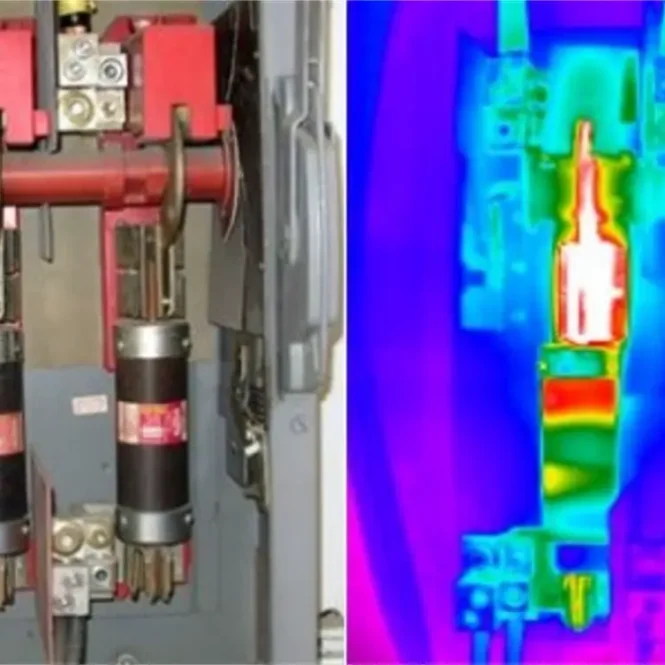
Our Thermography Inspection System uses high-resolution thermography and long-range night vision to monitor and diagnose the structural condition of your building and identify termite infestations. This system allows us to “see” and “read” through walls, floorboards, and ceilings, uncovering hidden termite activity that might go unnoticed during a traditional visual inspection.
The key features of this system include:
- Non-contact and non-invasive termite control technique
- Provides a full image of hidden problems
- Identifies and pinpoints termite infestations accurately
- Detects termites from distances between 500m to 1500m
- Offers fast, real-time detection
- Saves time and money by reducing the need for extensive repairs or additional inspections
This non-invasive technology is particularly useful for large properties and commercial pest control in Singapore. By incorporating thermography into our termite inspection services, we provide a more comprehensive assessment and greater peace of mind for property owners.



What Does a Termite Inspection Involve?
A professional termite inspection is a detailed process that focuses on identifying both active infestations and conditions that may attract termites in the future. If you are wondering whether the damage in your property is caused by termites or water, we can help you with that too.
This is how the process will go when you engage our services:
Visual Inspection
Our inspectors begin by checking all accessible areas inside and outside the property. This includes roof voids, subfloors, walls, gardens, fences and wooden fixtures. Any visible signs such as mud tubes, damaged timber or discarded wings are carefully documented.
Moisture Checks
Moisture is a key factor that attracts termites. We use professional moisture meters to identify areas with high humidity or water leakage, such as bathroom kitchens, and external walls. These areas are flagged as potential risk zones during termite inspections in Singapore.
Motion Sensor Detection
Advanced motion sensors are deployed to detect subtle movements within walls, ceilings, and timber structures. This technology helps identify active termite colonies hidden deep within the property, even before visible signs emerge.
Tapping and Probing
Timber components are gently tapped and probed to detect hollow or weakened areas. Even when no visible damage is present, this method can reveal early-stage termite activity hidden beneath the surface.
Thermal Imaging
Thermal cameras are used to scan walls, ceilings and structural elements for abnormal heat signatures and movement. This step enhances detection accuracy and allows us to identify concealed infestations without causing structural damage.
Reporting
After the inspection, a comprehensive report is provided. This includes photographs and professional recommendations. The report clearly explains whether termite activity is present, areas of concern and the suggested next steps to take.
How Often Should You Engage Termite Inspection Services?
In Singapore, it’s generally recommended to conduct a professional termite inspection at least once a year. Regular inspections help identify early warning signs before termites have the chance to cause extensive damage, especially given that local weather conditions can affect pest activity.
Certain situations may require more frequent termite inspections to ensure adequate protection, such as:
- Properties with a history of termite problems
- Older buildings with significant wooden structures
- Nearby construction or renovation works that may disturb termite colonies
- Locations known for high termite activity
Termite Inspection Cost In Singapore
The cost you can expect to pay for termite inspection varies based on several factors. Understanding what influences the cost helps set realistic expectations and ensures transparency. Key factors include:
Larger spaces require more time and resources to inspect thoroughly and will consequently incur a higher fee.
The accessibility of certain areas, and whether there are signs of an existing infestation can also affect pricing.
Commercial and industrial properties may require more extensive inspection scopes compared to residential units. Here is where industry-specific pest management services can come in useful as well.
At PestClinic, our focus is on delivering value through accurate detection and professional reporting, rather than unnecessary add-ons. We believe that every property owner deserves access to reliable termite inspection in Singapore, no matter the budget.
Contact Us
Get In Touch
Address
Crocodile House
3 Ubi Avenue 3, #05-03A
Singapore 408857
Working Hours
Monday to Sunday,
8.30am to 6.00pm.
Including public holidays
More on Termite Inspection
Read our latest blog to learn how you can prevent costly structural damage and keep your property safe year-round.

What Are the Differences Between Subterranean and Drywood Termites?
If you’ve ever noticed bubbling paint, warped skirting boards, or timber that suddenly feels “soft” under pressure, it’s natural to assume you’re …

Subterranean Termites in Singapore: An Overview
Property owners in Singapore often plan for cockroaches, rats, and other pests, but overlook termites. Even though termites are a common issue, …
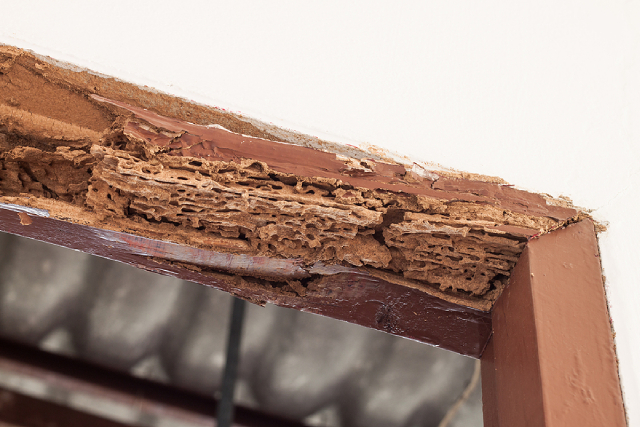
Is It Termites Or Water? Know What’s Eating Your Home
When noticing warped wooden flooring, bubbling paint, or that telltale scent of mildew, most homeowners instinctively assume they’re dealing with a leaky …
Frequently Asked Questions About Termite Inspections in Singapore
How long does a professional termite inspection take?
A standard termite inspection typically takes between 45 minutes to 2 hours, depending on the size and layout of the property. Larger or more complex premises may require additional time to ensure a thorough assessment.
What tools are used during a termite inspection?
Professional inspections use a combination of visual assessment tools, moisture meters, tapping and probing equipment, iTracker devices and thermal imaging cameras. These tools allow inspectors to detect both visible and hidden termite activity accurately.
Is termite inspection safe and non-invasive?
Yes. Modern termite inspection methods are safe and non-invasive. Technologies such as iTracker and thermal imaging enable detection without drilling, cutting, or damaging walls and structures.
Do I need to prepare my property before a termite inspection?
Minimal preparation is required. It’s helpful to ensure access to key areas such as storage rooms, roof voids and external boundaries. Clearing clutter near walls or wooden fixtures can also assist inspectors in conducting a more effective termite inspection in Singapore.

