

Termite Inspection in Singapore
A termite inspection is a professional check of a property for termite activity, existing damage, and the conditions that tend to invite an infestation. A trained technician conducts the check on site, combining a visual assessment with specialised detection tools. In Singapore, the risk continues all year round: the warm, humid climate keeps termite colonies active continuously, unlike regions where activity dies down in cooler months.
Most termite damage stays out of sight until it becomes expensive to fix, which is why property owners typically only book an inspection once something already feels wrong. This page covers what the inspection process involves, what affects the cost, how often you should book one, and what happens if termites turn up in the findings.
Signs You May Need a Termite Inspection
If you notice any of the following, it’s a sign to book an inspection, or as a precaution if you cannot remember your last one:
- Thin trails of dried mud running along walls, skirting boards, or foundations
- Winged termites appearing indoors, especially in the days following heavy rain
- Timber that sounds hollow when tapped, or gives slightly under light pressure
- Floor sections that feel uneven, soft, or slightly sunken
- An upcoming property purchase, sale, or renovation
- No record of a previous inspection, particularly for landed or older properties
Why is Early Termite Inspection Important?
Early detection changes what a technician is dealing with. Catching activity before it spreads limits the inspection to a smaller area and keeps treatment options broader, since a colony that has just moved in behaves differently to one that has been established for months.
Hidden infestations are also generally simpler to address before they widen; once termites have spread through multiple areas, isolating every affected point becomes more involved. An inspection carried out early shows you exactly where activity is occurring, instead of leaving you with a vague sense that a problem exists somewhere on the property.
This lowers the likelihood of discovering serious damage later, and gives you a documented baseline to compare against at your next inspection.
What to Expect During Termite Inspection
A standard termite inspection typically takes between 45 minutes and 2 hours, depending on the size and layout of your property. It’s a non-invasive process: there’s no drilling, and nothing gets damaged to reach the areas that need checking. The visit generally follows this sequence.
1. Walkthrough & Interview
The technician starts by asking about any signs you've already noticed, past pest treatments, and any areas that concern you. This scopes the inspection so time gets spent on the zones most likely to show activity, instead of checking every corner of the property with equal weight.
2. Interior & Exterior Check
Inside, the check covers skirting boards, door and window frames, wet areas such as kitchens and bathrooms, storerooms, roof voids, and any accessible ceiling or floor voids. Outside, it covers perimeter walls, foundations, points where timber touches soil, drainage areas, garden beds close to the structure, and fences.
3. Moisture Checks
Moisture is one of the biggest factors that attracts termites. We use professional moisture meters to identify areas with high humidity or water leakage, such as bathrooms, kitchens, and external walls. These are flagged as risk zones during your termite inspection in Singapore.
4. Tapping and Probing
Timber components are tapped and probed to detect hollow or weakened areas. Even where no visible damage is present, this method can reveal early-stage termite activity hidden beneath the surface.
5. Motion Sensor Detection
Advanced motion sensors are deployed to detect subtle movements within walls, ceilings, and timber structures. This technology helps identify active termite colonies hidden deep within the property, even before any visible signs appear.
What Happens After the Inspection?
Once the inspection is complete, you’ll receive a written report with photographs and clear findings.
If no current activity is found, the report includes prevention advice, such as addressing moisture sources or points where timber touches soil, along with a baseline you can use for future comparisons.
If activity is found, the report recommends a treatment approach, such as spot treatment, soil or barrier treatment, or termite baiting system, explained in plain terms without deep technical detail. Where relevant, it also notes whether a follow-up inspection makes sense and when.
A clean result still counts for something: it confirms your property’s current condition and gives you a comparison point for every inspection after it, including if you later book anti-termite treatment as a preventive measure.
How Often Should You Engage Termite Inspection Services?
In Singapore, it’s generally recommended to conduct a professional termite inspection at least once a year. Regular inspections help identify early warning signs before termites have the chance to cause extensive damage, especially given that local weather conditions can affect pest activity.
Certain situations may require more frequent termite inspections to ensure adequate protection, such as:
- Properties with a history of termite problems
- Older buildings with significant wooden structures
- Nearby construction or renovation works that may disturb termite colonies
- Locations known for high termite activity
Termite Inspection Cost In Singapore
The cost of a termite inspection in Singapore depends on several factors, and understanding them sets realistic expectations:
Larger spaces require more time and resources to inspect thoroughly and will consequently incur a higher fee.
The accessibility of certain areas, and whether there are signs of an existing infestation can also affect pricing.
Commercial and industrial properties may require more extensive inspection scopes compared to residential units. Here is where industry-specific pest management services can come in useful as well.
At PestClinic, our pest control team focuses on accurate detection and a clear report, not unnecessary add-ons. For an exact quote based on your property, get in touch with our team directly.
DIY vs. Professional Inspection: Why It Matters
A quick visual check around the property can catch obvious signs, and plenty of homeowners do exactly that before deciding whether to call in a professional. The difference shows up in what each approach can actually detect, and what happens if something gets missed.
| DIY Approach | Professional Inspection | |
|---|---|---|
| Detection method | Visual only | Visual, plus thermal, motion, and moisture detection |
| Hidden colonies | Limited to visible surfaces | Detects activity inside walls and soil |
| Treatment effectiveness | Often reaches visible workers only | Targets the colony and the queen |
| Documentation | Personal observation only | Written report with photographs and findings |
| Risk if something is missed | Infestation continues undetected, often for months | Lower, since detection tools reach concealed areas |
| Cost consideration | Lower upfront cost | Higher upfront cost, weighed against the cost of a missed infestation and later repairs |
Book Termite Inspection With PestClinic
If any of the signs above sound familiar, or if it’s simply been a while since your last check, get in touch today to arrange a termite inspection with our NEA-certified team.
Address
Crocodile House
3 Ubi Avenue 3, #05-03A
Singapore 408857
Working Hours
Monday to Sunday,
8.30am to 6.00pm.
Including public holidays
Frequently Asked Questions About Termite Inspections in Singapore
How long does a professional termite inspection take?
A standard termite inspection typically takes between 45 minutes and 2 hours, depending on the size and layout of the property. Larger or more complex premises may require additional time to ensure a thorough assessment.
What tools are used during a termite inspection?
Professional inspections combine visual assessment with moisture meters, tapping and probing, and technology such as iTraker motion detection and thermal imaging. iTraker tracks termite movement inside walls, floors, and timber without drilling, while thermal imaging picks up heat signatures that indicate hidden activity. Together, these tools let inspectors detect both visible and concealed termite activity accurately.
Is termite inspection safe and non-invasive?
Yes. Modern termite inspection methods are safe and non-invasive. Technologies such as iTraker and thermal imaging allow detection without drilling, cutting, or damaging walls and structures.
Do I need to prepare my property before a termite inspection?
Minimal preparation is needed. It helps to ensure access to key areas such as storerooms, roof voids, and external boundaries. Clearing clutter near walls or wooden fixtures also makes it easier for inspectors to complete a thorough termite inspection in Singapore.
More on Termite Inspection
Read our latest articles for more on preventing costly structural damage and keeping your property protected year-round.

Subterranean Termites in Singapore: An Overview
Property owners in Singapore often plan for cockroach pest control, rodent control, and other pests, but overlook termites. Even though termites are …
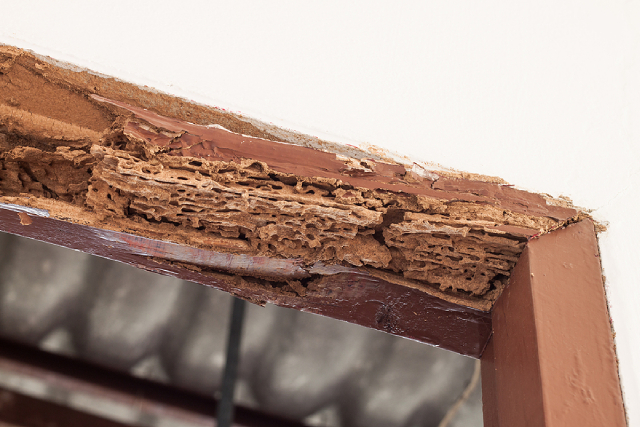
Is It Termites Or Water? Know What’s Eating Your Home
When noticing warped wooden flooring, bubbling paint, or that telltale scent of mildew, most homeowners instinctively assume they’re dealing with a leaky …

What Business Owners Should Know About Pest Liabilities
Pests may not be top of mind when managing business expenses, but overlooking them can result in hefty financial consequences. From structural …

