

What Is Termite Baiting?
Termite baiting is a controlled method that manages termite activity by targeting the entire colony, rather than treating only the areas where termites are visibly present. Bait stations are placed around the property to intercept foraging termites, which carry the bait back to the nest and share it within the colony.
Conventional chemical treatment works by creating a barrier or reaching termites directly at the point of contact. Baiting takes a different route: it lets the termites carry the treatment back to where the colony actually lives, which is how it reaches activity a spray or barrier alone never touches.
In Singapore, where subterranean termites are commonly found in soil and foundations, this makes baiting particularly effective. It is not an instant-kill treatment. Termites need to find the station, feed, and share the bait with the rest of the colony first, so results build progressively rather than overnight.
Signs You May Need Termite Baiting
Many of these signs look like ordinary wear and tear at first, which is exactly why they tend to go unnoticed until the problem has already grown. If you recognise any of the following around your property, it is worth arranging a professional inspection before deciding whether baiting or another treatment is the right fit.
- Live termites, or visible termite activity, anywhere on the property
- Mud tubes or shelter tubes running along walls, foundations, or other structural areas
- Timber that sounds hollow when tapped
- Wood that has become blistered, weakened, or otherwise damaged
- Discarded wings collecting near windows, doors, or light fixtures
- Difficulty closing doors, windows, or wooden fixtures because of swelling or damage
- Activity that keeps returning even after previous treatment
- Signs of activity showing up in more than one part of the property
How Termite Bait Stations Help Control Termites
The most efficient way to detect and eliminate termites in Singapore is to let the colony treat itself: baiting uses termites’ own foraging behaviour to carry treatment straight back to the nest.
Stations Are Strategically Placed
Bait stations are positioned wherever termites are most likely to come across them. In-ground stations ring the property where soil contact makes termite traffic most likely, while above-ground or indoor stations are placed close to any activity we have already confirmed.
Termites Discover the Station
Worker termites forage naturally for food, and it is during this ordinary foraging that they come across the station. There is no strong chemical lure pulling them in from a distance. The station simply offers an accessible food source that sits within their existing search pattern.
Termites Feed on the Bait
Once activity at a station is confirmed, the appropriate bait is introduced. Worker termites feed on it as they would any other food source, without any change to their normal foraging routine.
Bait Is Transferred Through the Colony
This is where baiting extends its reach. Worker termites carry food back to the colony and share it with nest mates, which means the bait reaches termites that never visited the station directly. Targeting termite activity beyond the visible infestation area is the main advantage baiting holds over treatments that only reach what can be seen.
Termite Activity Gradually Declines
Continued exposure to the bait disrupts colony activity progressively rather than all at once. Baiting is built to work through the wider colony, not just the termites visible at any one point.
Stations Are Monitored
Stations are checked to see whether termites have found them, whether bait is being consumed, and whether activity is changing. Bait is topped up or adjusted where needed, and this monitoring is what tells our technicians whether treatment is progressing as expected.
When Is Termite Baiting the Right Choice?
Not every termite problem calls for the same solution. Termite baiting works best under specific conditions, and part of our job is to make sure you receive the treatment that is genuinely suited to your property and the type of termite present.
Baiting Is Well-Suited For:
- Subterranean termites, the only termite type baiting is designed to treat, as they forage through soil and come across bait stations
- Occupied homes and businesses, as no vacating is required and disruption to daily activity is kept to a minimum
- Landed properties with garden or soil access, where in-ground stations are installed along the building perimeter
- HDB flats, condominiums, and apartments, where above-ground stations are placed at active infestation points
- Eco-conscious households, as the bait is fully contained within sealed stations and chemical exposure is kept low
Baiting Is Not Suitable For:
- Drywood termites, which live within timber and do not travel through soil to reach bait stations; a specialised treatment such as fumigation is required in these cases
- Dampwood termites, which nest in damp, decaying timber and do not forage through soil to reach bait stations; the moisture problem needs to be resolved and a different treatment used instead
If baiting is not the right fit for your situation, we will assess your property and recommend the treatment that is.
Benefits of Termite Baiting Systems

Minimal Disruption

Eco-Friendly & Safe
The termite bait is contained within secure stations, limiting chemical exposure and making the treatment generally suitable for households with children and pets.
Colony-Level Elimination
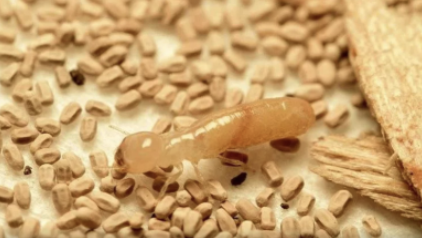
A termite baiting system targets activity at the colony level, including the reproductive core. By exploiting the natural foraging behaviour of subterranean termites, this approach works to eliminate the source rather than address surface-level signs alone.

Monitoring Throughout Treatment
Stations are checked regularly for as long as treatment is active, so our technicians can track how the colony is responding and adjust the bait promptly whenever activity changes.
Types of Termite Baiting Solutions
PestClinic offers a range of termite baiting solutions in Singapore, tailored to different property types and infestation conditions. Each termite bait treatment is selected based on a thorough site assessment and the risk factors identified during inspection.
In-Ground Baiting System
This bait treatment for termites is designed for landed homes and properties with direct soil access, targeting subterranean termite activity around the building perimeter.
Stations are inserted 30 to 60 cm into the ground at intervals of 1 to 3 metres around the property boundary. A monitoring device is placed within each station and replaced with active bait once termite interception is confirmed. Stations are inspected every 7 to 14 days until colony activity ceases.
Suitable for: Landed properties, semi-detached homes, and terrace houses with gardens
Above-Ground / Indoor Baiting
For apartments, condominiums, and commercial units where soil access is not available, above-ground baiting provides a targeted termite baiting treatment without the need for in-ground installation.
Stations are placed directly on visible termite trails, mud tubes, or areas of suspected activity. The bait is then shared back to the colony through trophallaxis, a process by which termites pass food and toxicants to nest mates, including the queen and king. Stations are checked every 7 to 14 days.
Suitable for: HDB flats, condominiums, apartments, and commercial units
Warranty: 1 year
Baiting for Recurring Termite Activity
Where termites keep returning despite previous treatment, baiting reaches the colony behind the activity rather than only the termites that are visible. As baiting is a direct treatment rather than a preventive one, bait is only introduced where termite activity has been confirmed.
Stations are checked every 7 to 14 days, with bait topped up or adjusted until activity at every station has ceased.
Suitable for: Properties with repeated or recurring subterranean termite activity
Curative Baiting for Active Infestation
For confirmed active infestations, curative baiting involves the immediate activation of bait at all identified activity points, with a priority monitoring schedule maintained until colony elimination is achieved.
Colony elimination typically takes between 4 and 12 weeks from the start of bait activation, depending on colony size and activity levels. Most clients observe a first reduction in termite activity within 2 to 4 weeks. Stations are monitored every 7 days for the first 4 weeks, then every 14 days thereafter.
What to Expect After Termite Baiting
Baiting works gradually and is designed for long-term termite control rather than immediate results. Understanding the process helps set realistic expectations after treatment.
Gradual Colony Elimination
Follow-Up Inspections
Preventive Advice
Why Choose PestClinic for Baiting Treatment in Singapore
Transparent Pricing & No Hidden Fees
Clear pricing is provided upfront, with no unexpected charges during or after treatment.
Affordable Packages
Service packages are structured to suit different property types, monitoring requirements, and infestation conditions, so you only pay for what your property actually needs.
NEA-Licensed & Certified Technicians
PestClinic is fully NEA-licensed, and every technician is NEA-certified and trained under NEA guidelines, so treatment meets Singapore's regulatory and safety standards throughout.
Ongoing Monitoring & Support
Our Termite Baiting Solutions
Baiting Systems
An eco-friendly solution that uses non-toxic baits to eliminate the entire colony, including the queen, by exploiting the termites’ foraging behaviour.
Spot Treatment with Termiticide Spray
Targeted application of specialised liquid termiticides to active infestation points for immediate elimination of localised pests.
Chemical/Soil Treatments
The application of a long-lasting liquid barrier into the soil surrounding the building to prevent subterranean termites from entering.
Drywood Termite Treatment / Fumigation
Specialised treatment for infested furniture or timber components; for severe cases, full-structure fumigation ensures total eradication.
Corrective Treatment
Involves drilling and injecting termiticides into floor slabs or masonry to treat established infestations beneath existing structures.
Roof Treatment
Protective spraying or baiting within roof trusses to prevent termites from compromising the upper structural integrity of the home.
Free Onsite Consultation
Fast Scheduling & Same-Visit Service
Appointments are scheduled promptly, and inspection and treatment are usually carried out in the same visit, so there is no lag between assessment and action. Every technician is NEA-certified, backed by PestClinic's 30 years of combined industry experience.
Contact PestClinic for Termite Baiting Treatment Today
Termites cause damage quietly and quickly. The sooner activity is identified and treated, the less it costs to resolve. Book a comprehensive termite inspection with one of the most trusted companies for termite control in Singapore and let our team take it from there. PestClinic carries out an onsite assessment to evaluate your property and recommend the right treatment before any work begins. Contact us today for expert advice, cost-effective solutions, and unparalleled service.
Frequently Asked Questions About Termite Baiting Treatment
Is termite baiting treatment safe for my family and pets?
Termite baiting systems are designed to keep bait contained within secured stations. Service providers typically advise on basic precautions to ensure safety during monitoring and treatment.
How long does termite baiting take to eliminate the colony?
Most colonies are fully eliminated within 4 to 12 weeks of bait activation, depending on colony size and activity levels. Activity reduces gradually over that period as bait is shared within the nest, rather than stopping all at once.
How often do bait stations need to be checked or refilled?
Bait stations are usually inspected periodically to monitor termite activity and determine whether replenishment or adjustments are required.
Can termite baiting prevent future infestations?
Termite baiting is a direct treatment for confirmed termite activity rather than a preventive measure. By reaching the colony itself, it deals with the source of the current infestation, while regular inspections remain the most reliable way to catch any new activity early.
Is termite baiting more effective than chemical spraying?
Different treatment methods serve different purposes. Termite baiting focuses on managing colony activity, while other treatments may be used depending on site conditions and infestation type.
What types of properties are suitable for baiting treatment?
Termite baiting is suitable for a range of properties, including landed homes, apartments, and commercial buildings, depending on access points and infestation risks.
How much does termite baiting treatment cost in Singapore?
Pricing depends on your property size, the extent of activity, and which baiting system is the right fit, so we do not quote a fixed figure without seeing the property first. Contact us for a detailed quotation based on your specific property and conditions.
Do I need to vacate my home during baiting treatment?
In most cases, vacating the property is not necessary, as baiting systems are installed at targeted areas with minimal disruption.
How many bait stations will be installed at my property?
The number of stations depends on the size of the property and the extent of termite activity identified during the inspection. For in-ground systems, stations are typically installed at 1 to 3 metre intervals around the building perimeter. For above-ground systems, stations are placed at confirmed activity points. Your technician will provide a full breakdown during the onsite assessment.
How Long Do Termite Baits Last?
Bait has no fixed shelf life in practice; how long it lasts depends on activity levels at each station. During treatment, stations are checked every 7 to 14 days, and bait is topped up or adjusted whenever monitoring shows it’s needed. Coverage holds for as long as treatment stays active, rather than expiring on a set schedule.
How Long Does Termite Baiting Take to Work?
The first sign that termite baiting, which is used only for subterranean termite control, is working, shows at the station itself. Within 2 to 4 weeks, activity at the station and around the property typically starts to reduce, signalling the colony is responding. Full elimination is confirmed later, once a station records zero activity across two consecutive inspections.
Contact Us
Get In Touch
Address
Crocodile House
3 Ubi Avenue 3, #05-03A
Singapore 408857
Working Hours
Monday to Sunday,
8.30am to 6.00pm.
Including public holidays
Related Articles on Termites
Looking for more tips and insights? Read about Singapore termite removal, compare termite treatment companies, and get expert advice on managing infestations and understanding the termite treatment cost in Singapore. Our guides and articles are designed to help you stay one step ahead of termites.
Drywood Termites in Singapore: How to Control and Prevent Infestations
Singapore’s warm, humid climate makes it a year-round breeding ground for termites, and among the species that threaten local homes and businesses, …
Of all the pest threats facing Singapore properties, subterranean termites consistently rank among the most destructive. They are responsible for the majority …
Flying Termites: Everything You Need to Know
Flying termites are a familiar sight in Singapore, especially after rainfall or during warm, humid evenings. Homeowners often notice them clustering around …

