


| Latin Name | Diptera |
| Length | Around 1cm |
| Colour | Grey |
| Common Sighting | Rubbish waste |
Professional Fly Pest Control Services In Singapore
Flies can quickly become a hygiene concern in homes, workplaces and commercial premises. At PestClinic, we provide professional pest control for flies designed to eliminate active infestations and reduce the risk of recurring fly problems.
With 30+ years of experience in pest management, our team provides tailored fly control solutions based on your property and infestation level. Whether you need fly control for a residential property, restaurant, office or commercial facility, we use practical treatment approaches designed to address the source of the problem.
Our fly pest control services are carried out in line with NEA-compliant standards, with treatment recommendations tailored to the needs of your premises. Beyond eliminating existing flies, we also identify potential breeding areas and contributing factors to help prevent future infestations.
Common Species of Flies In Singapore
Professional identification ensures effective house fly pest control treatment as different species require different approaches, similarly to pest control for mosquitoes.
House Fly
House flies are the most commonly encountered flies indoors. They are strongly attracted to exposed food, food waste, and garbage, and are frequently found in kitchens, dining areas, and rubbish disposal zones. House flies move easily between waste and food surfaces, increasing the risk of contamination.
Fruit Fly
Another common fly, fruit flies are attracted to ripe or decaying fruits and vegetables. They are often found around kitchen counters, fruit bowls, drains, and recycling bins. Due to their rapid breeding cycle, fruit fly populations can increase quickly without proper pest control.
Bluebottle Fly
Bluebottle flies are attracted to garbage, pet waste, and decaying animal matter. They are known carriers of bacteria and are commonly found around dustbins, refuse areas, and outdoor waste disposal zones. Their presence often indicates nearby decomposing organic material.
Drain Fly
Drain flies are small, fuzzy flies that breed in the damp. They are usually found near sinks, floor traps, and bathrooms.
Fly Pest Control Methods in Singapore
Getting rid of flies requires more than basic cleaning. Similar to pest control for rats and other pests, professional fly control is essential for long-term elimination and prevention as it targets both adult flies and their breeding areas.
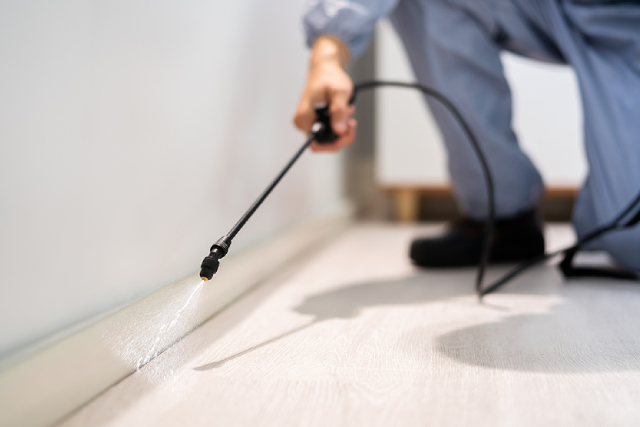
Residual Spraying
Water-based insecticide sprays are applied to doors, windows, walls, trash bins, dumpsters, and food preparation areas. This method kills adult flies and helps prevent reinfestation.

Misting
Misting creates a smoke-out effect that provides immediate knockdown of flies during heavy infestations. It is ideal for urgent or large-scale fly problems.

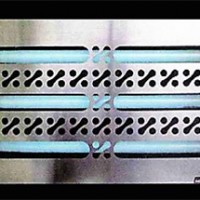
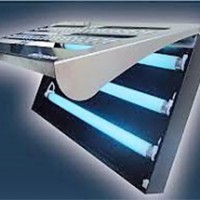
Fly Killer Machines
Used mainly in commercial environments such as food and beverage businesses, these machines provide continuous fly control in high-traffic areas.


Fly Control Dispensers
These dispensers release natural Pyrethrum derived from chrysanthemum extract to control flying insects in the air. They are suitable for food establishments, hotels, and accommodation settings.


Our Treatment Process
PestClinic’s fly pest control services follow a clear and systematic process to effectively reduce fly activity and control breeding sources. Each step is carried out by trained professionals to manage current infestations and help prevent recurring fly problems.
Step 1: Inspection and Assessment
Our technicians conduct a thorough inspection to identify the fly species present, locate breeding hotspots, and assess the severity of the infestation. This step ensures that treatment targets the root cause of the problem.
Step 2: Treatment Planning
Based on the assessment, we develop a customised treatment plan suited to your home or commercial environment. The selected methods consider safety, hygiene requirements, the level of fly activity, and the presence of other pests.
Step 3: Execution
Our team applies professional treatments such as residual sprays, traps, or misting applications using regulated products. All treatments are carried out in accordance with safety guidelines to minimise disruption.
Step 4: Monitoring and Follow-Up
After treatment, we reassess the treated areas to evaluate effectiveness. Depending on the scope and nature of the client's industry, we may provide follow-up care tips and pointers to prevent or reduce future infestations on a voluntary basis.
Why Fly Pest Control is Important
Flies are more than just a nuisance in homes and commercial spaces. Their presence poses health and hygiene risks, particularly in where there is food handling and processing. Timely fly pest control helps reduce these risks and prevents infestations from escalating.
Health Risks
Flies can carry and spread bacteria and pathogens by moving between waste, drains, and clean surfaces. This increases the risk of foodborne illnesses in both residential and commercial settings, making pest control for flies essential.
Food Contamination
When flies land on food, ingredients, or preparation surfaces, they transfer harmful microorganisms. This compromises food safety and hygiene, especially in kitchens, restaurants, and food storage areas.
Nuisance and Annoyance
Persistent fly activity creates an unpleasant and unsanitary environment. Constant buzzing and repeated sightings can cause mental strain and affect sleep quality.
Rapid Reproduction
Flies reproduce quickly. Without timely house fly pest control services, infestations can escalate within days.
Why Choose Pest Clinic
NEA-Certified Technicians
Our fly pest control services are carried out by NEA-certified professionals who follow regulatory standards for safe and effective treatment.
Safe and Responsible Treatments
We use approved products and application methods that are suitable for homes, food establishments, and commercial environments.
Prompt and Reliable Service
Our team responds quickly to fly infestations, helping to reduce nuisance and hygiene risks with minimal disruption.
Customised Fly Control Solutions
Each treatment plan is tailored to the property type, fly species present, and level of infestation for effective control.
Frequently Asked Questions about Pest Control for Flies
What are the Signs of a Fly Infestation
Spotting a few flies occasionally may not indicate an infestation, but frequent or increasing fly activity can be a warning sign. Look out for these common signs:
- Frequent fly activity: Seeing flies regularly, especially around food preparation areas, rubbish bins, drains or other food sources.
- Fly clusters: Large numbers of flies gathering around windows, doors, lights, bins or other areas of the property.
- Maggots or larvae: Finding small, white larvae around rubbish bins, drains, food waste or other damp areas may indicate a nearby breeding site.
- Fly eggs: Small clusters of pale eggs in decaying organic matter can be a sign that flies are breeding on the premises.
- Unusual odours: Persistent unpleasant smells from waste, drains or decaying organic matter can attract flies and indicate a potential breeding area.
- Increased fly activity indoors: A sudden rise in flies inside your home or business, particularly without an obvious source, may indicate an infestation that requires professional pest control for flies.
Are chemicals used in fly pest control safe for children and pets?
Yes. Professional fly pest control uses NEA-approved products that are applied by trained technicians. When used correctly, these treatments pose minimal risk to children and pets, and safety instructions are provided after treatment.
How much does house fly pest control cost in Singapore?
The cost of house fly pest control in Singapore depends on factors such as property size, infestation severity, and the treatment method required. A site inspection is usually recommended to provide an accurate quotation.
Are house fly pest control services safe to use in kitchens or restaurants?
Yes, professional house fly pest control can be safely used in kitchens and restaurants when treatments are selected and applied appropriately. We also provides tailored fly control solutions for commercial premises, with treatments carried out in line with NEA-compliant standards to address fly activity while supporting food hygiene requirements.
Our technicians assess the premises and infestation before recommending the most suitable pest control for flies, helping minimise disruption to kitchen operations.
How soon will I see results after house fly pest control?
A noticeable reduction in fly activity is often seen within 24 to 48 hours, depending on infestation level and treatment type.

