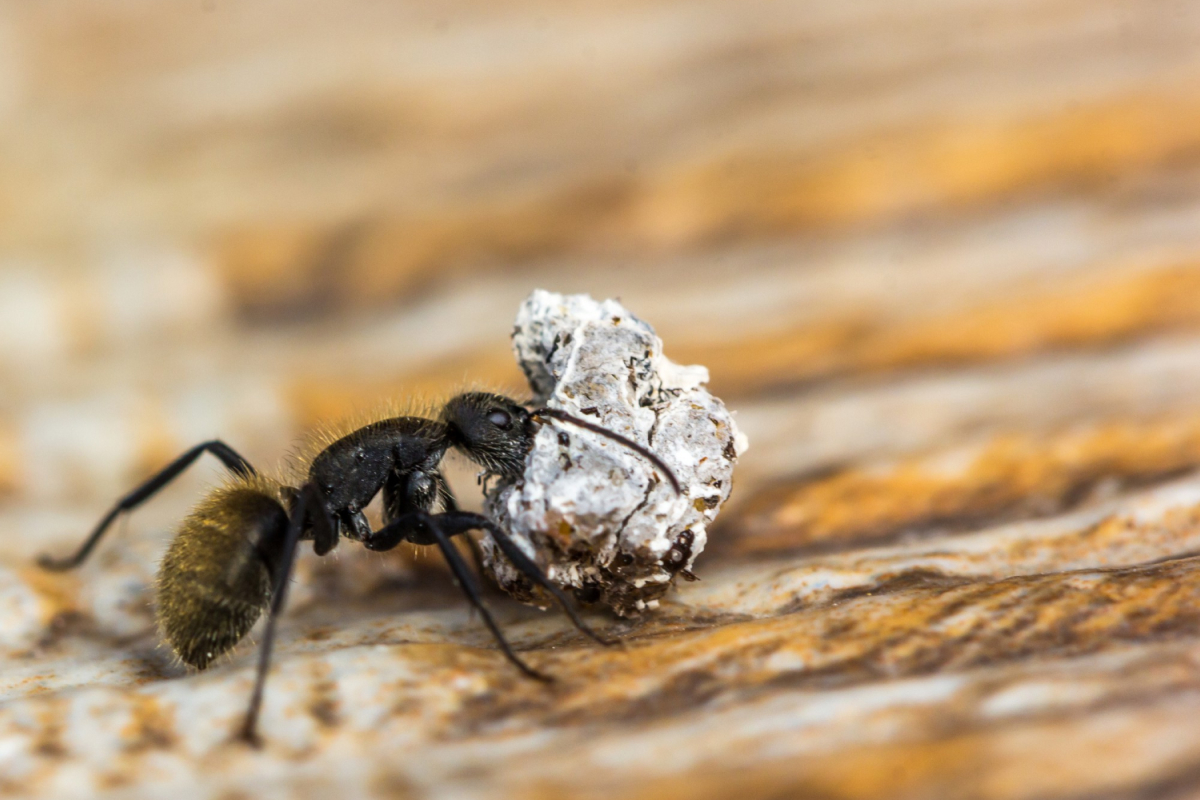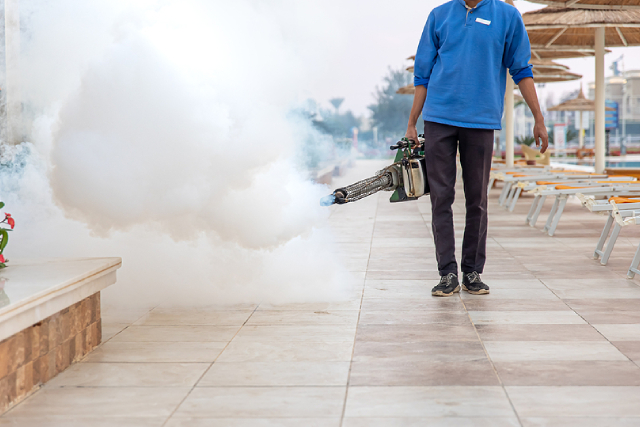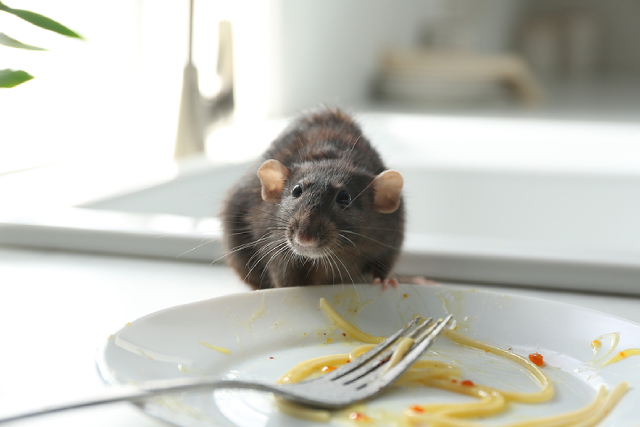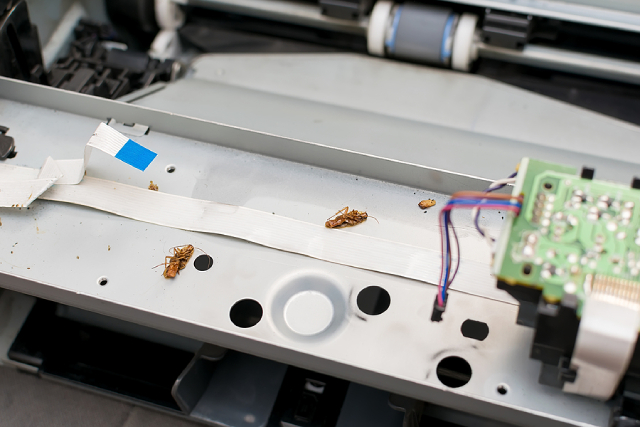
Most of the time, when a house becomes a target for pests, the room that usually takes the hugest hit is the kitchen. As it is the place where food is cooked and served most often, pests such as cockroaches, ants, and rodents are more likely to be found chewing on crumbs on the floor. Do you find that your house is currently attracting many of these pests? If so, perhaps it’s time for fumigation.
While maintaining good hygiene can help reduce pest activity, severe infestations often require professional treatment. For persistent cockroach problems, homeowners may need specialised cockroach pest control services to eliminate hidden nests and breeding sites that cannot be reached through DIY methods alone.
If you are planning to fumigate your kitchen, proper preparation is essential. Taking the right steps beforehand can improve the effectiveness of the treatment while ensuring the safety of your family, pets, and belongings.
Step one – Remove kitchen appliances and equipment
If you have decided to go along with fumigation, the first step is to remove everything in the cabinets. From cups to plates, cutlery pots and pans, they should all be placed in a separate room that will not be affected by the fumigation. In the case that there are foodstuffs that should be removed, you should put them into boxes and keep them away for safety.
Appliances like blenders, mixers and juicers can be removed too. The ones that may not be movable like ovens and refrigerators should be cleared and opened up. Do you have food in the fridge that needs to be cold? You can arrange for another fridge to prevent it from being spoiled.
Step two – Ensure proper protection
If you own plants and have some in the vicinity, you should look to have them removed. The same goes for pets as well. Remove the food and utensils from the kitchen if they are usually kept there.
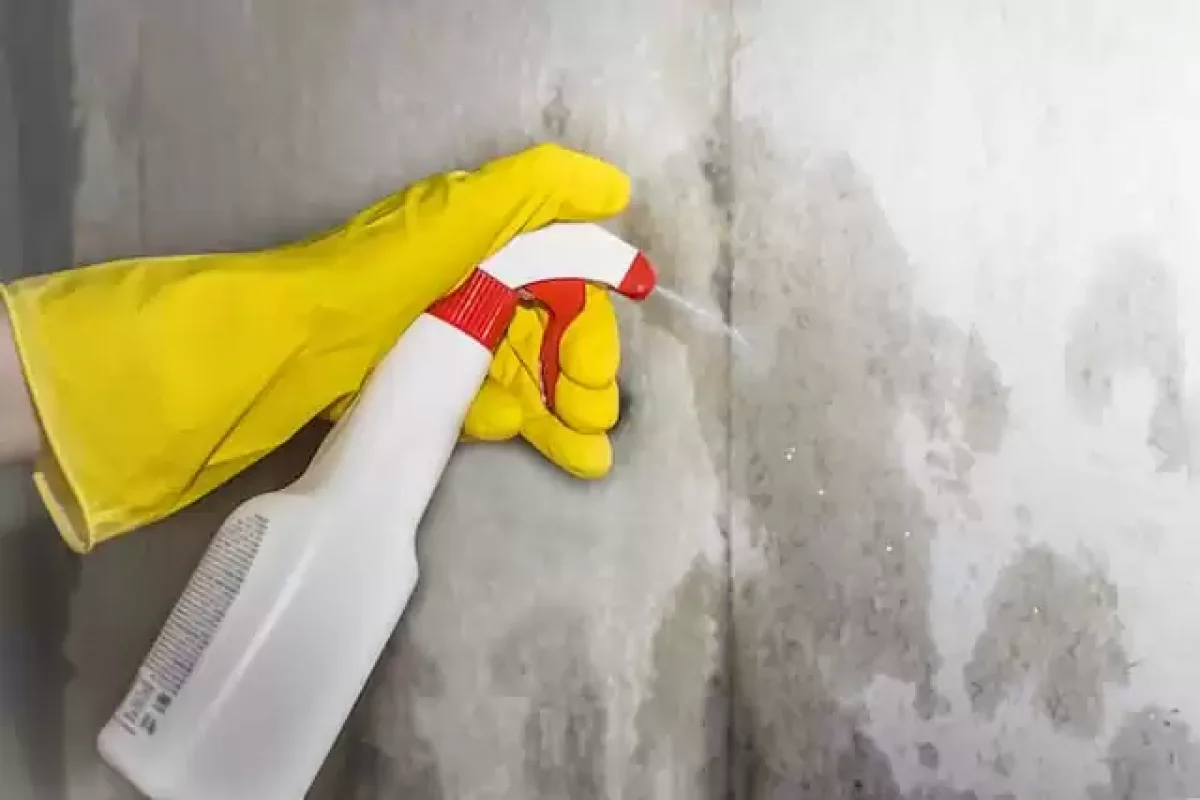
The next thing to do is to lock all the windows and doors. Pests can use them as exits. Don’t forget to switch off the gas and disconnect the smoke alarms if there are any. If you don’t, the fumigation might set it off. If you are doing the fumigation by yourself, you may require a couple of hours dedicated to the treatment so that it can be useful. Having the necessary protective gears is always helpful when handling chemicals. To protect yourself during the fumigation process, you can wear rubber gloves so that your skin doesn’t get in contact with the pesticide, put on a mask so that you don’t inhale the fumes, and wear an overall with the fumigation equipment ready.
Step three – Fumigation completion
Once you have completed the process, you should let the vapours work on the pests for about 30 minutes. Open the kitchen windows, doors and any other ventilation that might be there to let the air leave. You should let the kitchen completely air out before you start putting things back to where they were. This is also an excellent time to start turning on your alarms, such as your smoke detectors. You can proceed to wash any utensils that may have come in contact with the pesticide before using it as a preventive measure.
Why DIY Fumigation May Not Solve Severe Infestations
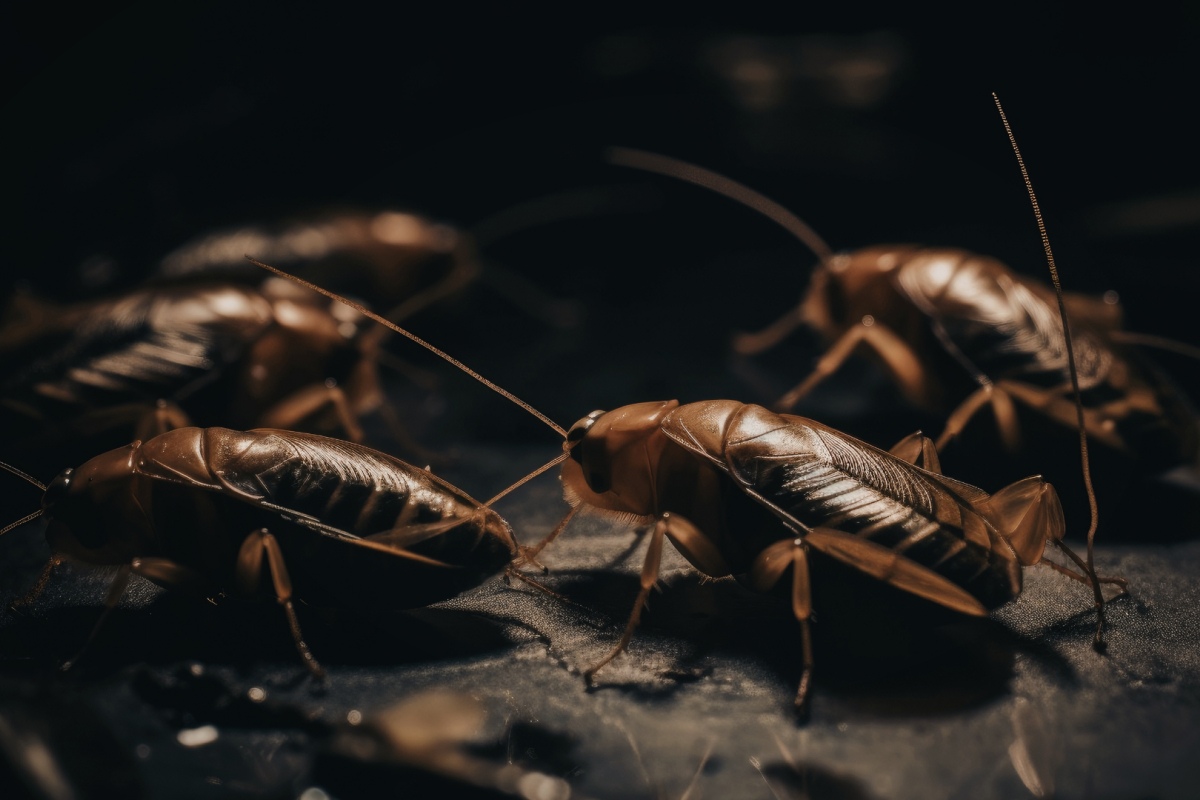
While fumigation can help reduce pest activity, severe infestations often involve hidden nests and breeding sites that remain unaffected by DIY treatments. Cockroaches, for example, can hide behind cabinets, inside wall voids, and within drainage systems where they continue to reproduce.
If cockroaches continue to return after fumigation, a professional pest control for cockroach can identify the source of the infestation and implement targeted solutions to eliminate it.
For larger infestations, engaging an experienced cockroach exterminator in Singapore can provide a more comprehensive and long-lasting solution than repeated DIY attempts.
Early intervention can prevent a minor pest problem from becoming a larger infestation, helping to keep your home safe, hygienic, and pest-free.