The pests that we commonly find in our homes come in many shapes and sizes, and bring in equally numerous health risks to you and your family. Although this is true to some extent, not all of them are dangerous, and some are even beneficial to a certain degree.
One of these ‘pests’ is the common house lizard, also known as a house gecko. They were initially native only to Southeast Asian regions, but due to human introduction, they’re now found in many countries worldwide. We go over the seven facts that you need to know about them and the risks that they bring.
-
House lizards are attracted to light sources
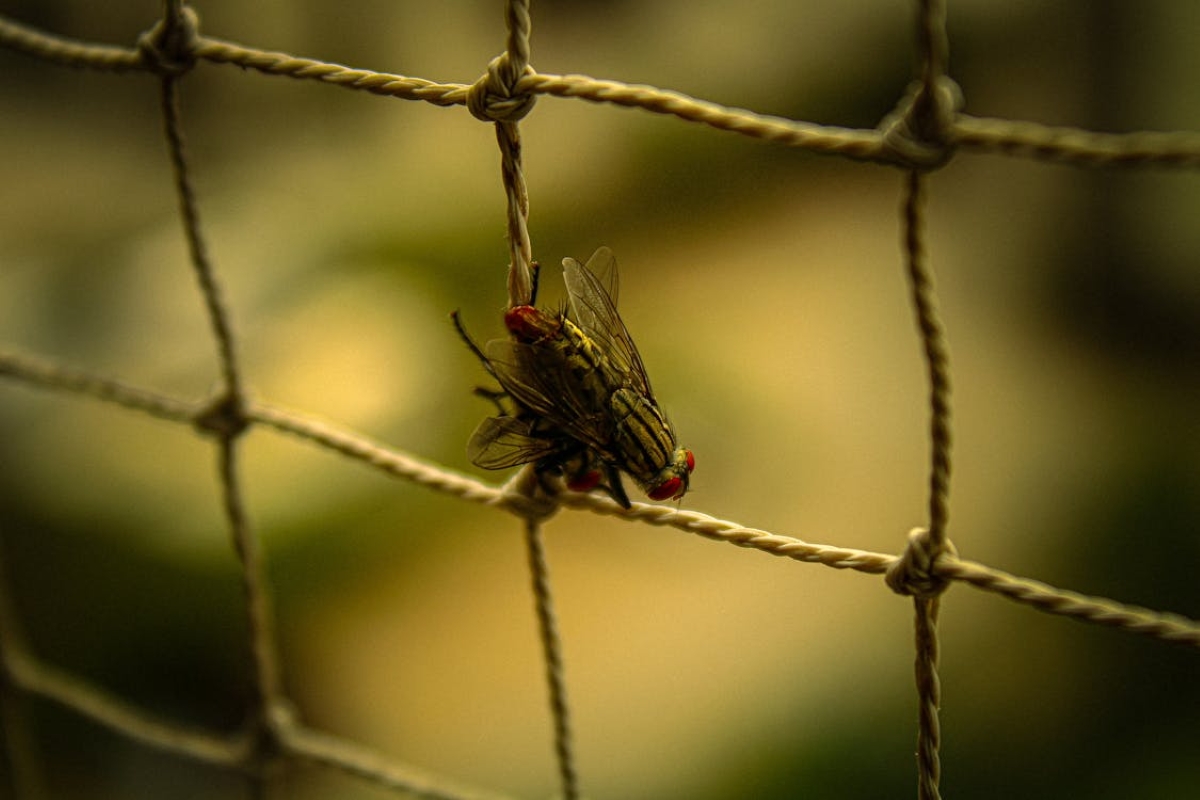
In urban areas, they can commonly be found hanging about near bright light sources. The reason for this is not because they’re directly attracted to their glow or warmth, but because such places are where they can easily catch their prey flying insects.
-
House lizards are natural insect predators
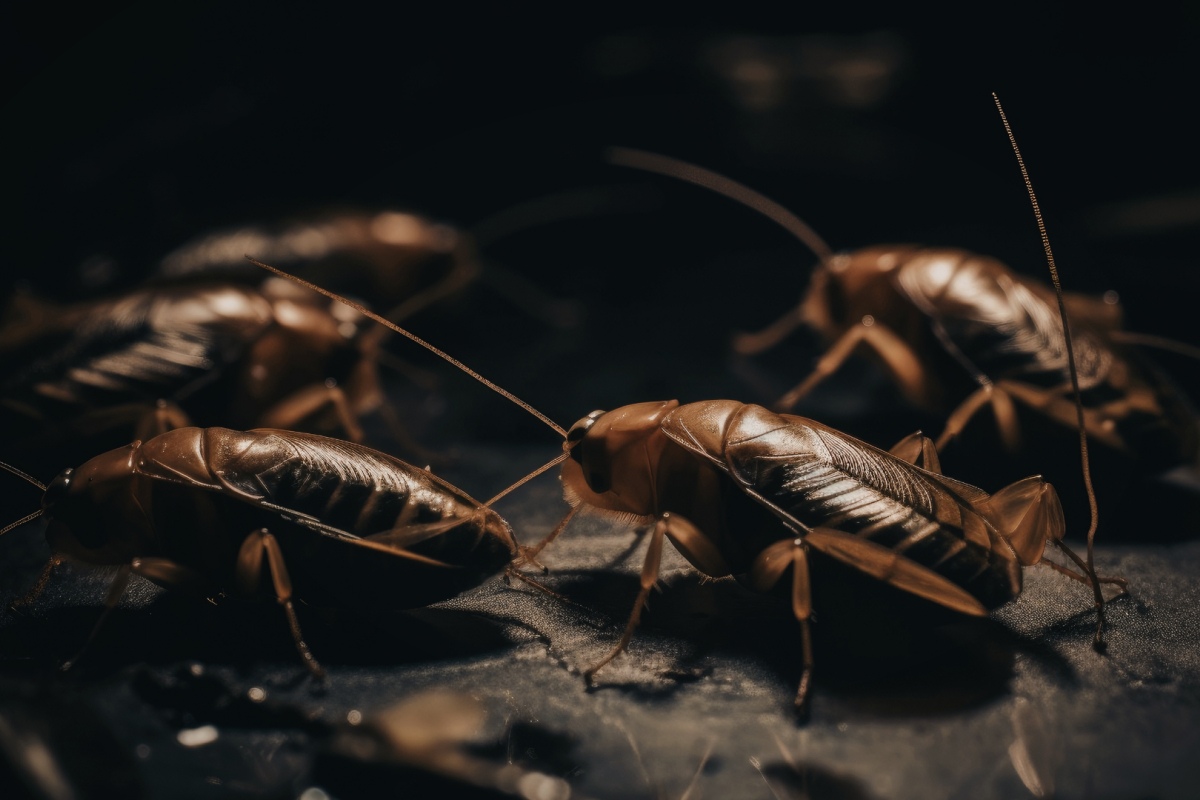
House lizards are naturally insectivorous, meaning that they’re known as a natural predator of pests that scurry about in your home, typically only going for the ones that are smaller than them.
-
House lizards may also eat fruits and plants
Despite being insectivores, they also eat fruits and plants. Other species even feed on vegetables and other vegetation as a substitute for their usual diet. If their population is left unchecked, they may occasionally feed on fruits or soft plant matter, although this is not common indoors.
-
House lizards sense their surroundings through taste and smell
A lizard’s sense of taste and smell is arguably the strongest out of all their senses. These interrelated senses allow them to be fully aware of their surroundings, enabling them to discern the locations of prey, predators, and even potential mates.
-
House lizards are generally not dangerous to humans
Unlike houseflies, cockroaches, and other insect pests, the common house lizard is not known to directly transmit diseases to humans. However, they do carry bacteria such as salmonella that can cause food poisoning. Additionally, their faeces can become hazardous due to contamination from the disease-carrying insects they typically feed on.
-
House lizards can bite, but rarely
Despite being harmless, there may be times when they can bite out of self-defence. There’s no need to be alarmed since their bites are not poisonous, but be sure to clean the wound thoroughly as soon as possible and apply antiseptic cream onto it to avoid infections.
-
House lizards can live for several years
The common house lizard starts as an egg, and it takes them 40-60 days to hatch. After that, it takes them a year to mature into an adult, and they can live for up to an average of 10 years, with some species even having double the lifespan.
Why Are House Lizards in Your Home?
House lizards are usually found indoors because your home provides the ideal environment for them to survive and hunt. Common reasons include:
- Presence of insects such as flies, mosquitoes, and cockroaches
- Warm indoor temperatures that support their activity
- Easy entry through small gaps and cracks in walls, windows, and doors
- Light sources that attract insects, which in turn attract lizards
How to Keep House Lizards Out of Your Home
-
Reduce insect populations: fix fly screens, seal gaps around windows and doors, and address any cockroach or ant problems. Fewer insects means less food, which makes your home less hospitable to lizards.
-
Reduce lighting near entry points: since lizards are attracted to lit areas where insects gather, switching off or dimming outdoor lights near doors and windows reduces the draw.
-
Seal gaps and cracks: lizards can enter through surprisingly small openings. Silicone sealant around window frames, door gaps, and pipe penetrations helps block entry.
-
Remove water sources: fix dripping taps and reduce areas of standing water that attract the insects lizards feed on.
Conclusion
As stated, the house lizard is generally considered to be the least dangerous and problematic amongst other household pests. However, they can still pose a health risk if either their faeces or themselves come into contact with your food. Their presence in your home can also signal a secondary pest infestation, so it’s best not to rely on them for housefly and mosquito control and call on professionals instead.
If you are frequently seeing house lizards, it may indicate an underlying insect problem that needs to be addressed.
At PestClinic, you can find a variety of pest control services to deal with any bug-related problem in your home. As knowledgeable experts in this field, we know exactly what needs to be done to eliminate the pesky bugs running about in your house. Count on us to deliver!